Leadvent Group

Hlavní mesto Praha, Hlavní mesto Praha
 Home
Home  About Leadvent Group
  Make An Enquiry


Copyright © 2026 Citymapia.com. All Rights Reserved
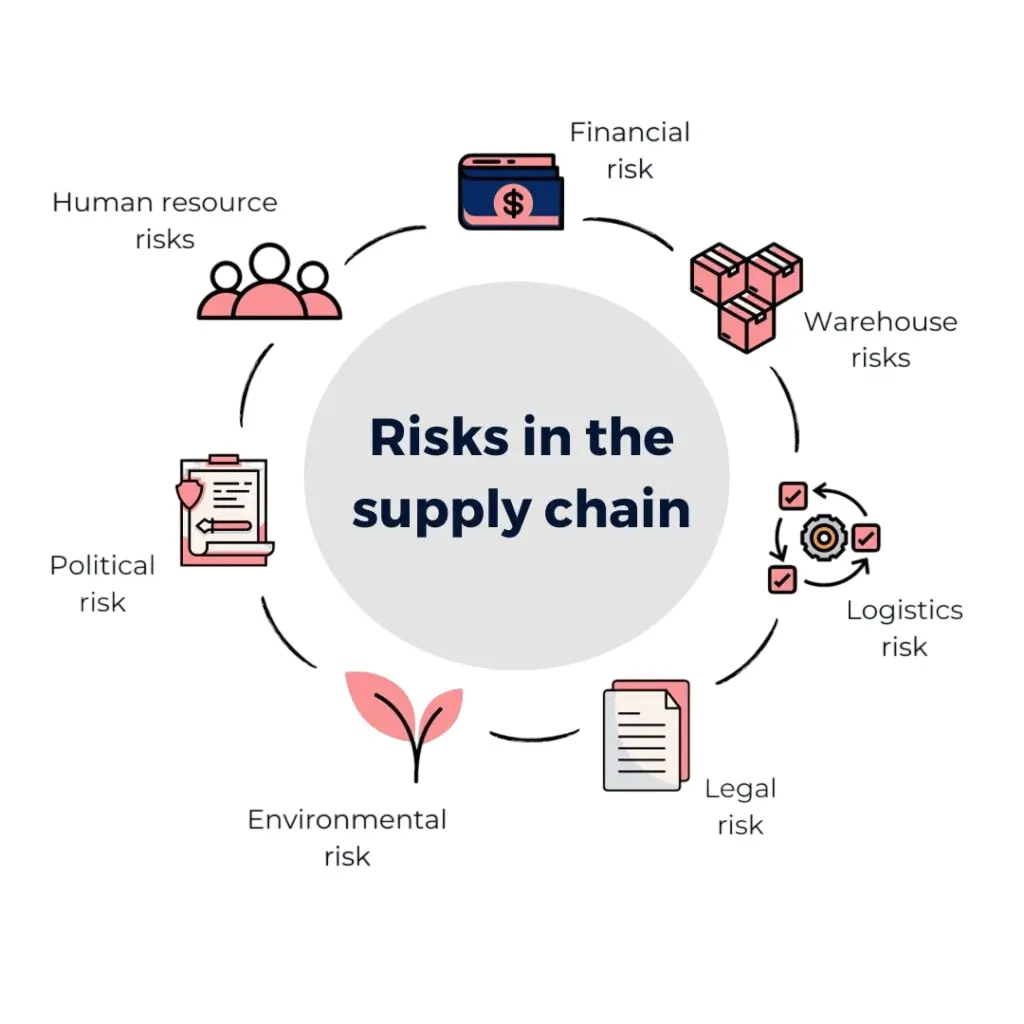
Climate Risk Is Supply Chain Risk: Preparing for Environmental Disruptions
Posted On Apr 13, 2026Climate change is no longer a distant concern—it’s directly impacting global supply chains. This article explores how environmental risks disrupt operations and how businesses can build resilient, future-ready supply networks.
In recent years, businesses across the world have started to realize that environmental changes are no longer distant concerns. Extreme weather events, rising temperatures, and shifting climate patterns are already affecting how companies operate. From delayed shipments to factory shutdowns, these disruptions are becoming more frequent and more costly. For organizations that depend on smooth operations, preparing for these challenges is no longer optional—it is essential.
Understanding the Link Between Climate and Business Operations
Climate-related events such as floods, hurricanes, droughts, and wildfires can directly interrupt production and transportation. For example, a single flood can shut down a manufacturing unit, while a heatwave can reduce labor productivity or damage sensitive goods.
These events do not only affect one location. Because modern businesses rely on global networks, a disruption in one region can impact multiple industries worldwide. This interconnected nature makes environmental uncertainty a major supply chain risk that companies must address carefully.
Why Environmental Disruptions Are Increasing
There are several reasons why climate-related disruptions are becoming more common:
Rising global temperatures are intensifying storms and heatwaves
Sea-level rise is affecting ports and coastal infrastructure
Water scarcity is impacting agriculture and manufacturing
Unpredictable weather patterns are making planning more difficult
These factors create uncertainty at every stage, from sourcing raw materials to delivering finished products.
The Business Impact of Climate Disruptions
Environmental disruptions can affect companies in multiple ways:
1. Operational Delays
Extreme weather can block roads, damage ports, or halt production, leading to delays in delivery schedules.
2. Increased Costs
Companies may face higher transportation costs, increased insurance premiums, and unexpected repair expenses.
3. Supplier Instability
If suppliers are located in climate-sensitive regions, their ability to deliver consistently may be affected.
4. Reputation Risks
Failure to meet customer expectations due to delays can damage trust and brand value.
These challenges highlight why companies must integrate climate awareness into their planning processes.
The Role of Supply Chain Risk Management
To deal with environmental uncertainty, companies need a structured approach. This is where Supply Chain Risk Management becomes critical. It involves identifying potential risks, assessing their impact, and developing strategies to minimize disruptions.
Some key steps include:
Mapping the entire supply network to identify vulnerable areas
Assessing climate risks for each supplier and location
Developing contingency plans for emergencies
Monitoring weather patterns and environmental data in real time
By taking these steps, businesses can reduce the impact of unexpected events and respond more effectively when disruptions occur.
Building Climate-Resilient Supply Chains
Creating resilience means designing systems that can adapt and recover quickly. Companies can take several practical actions:
Diversify Suppliers
Depending on just one supplier or a single region makes a business more exposed to disruptions. Having multiple sourcing options reduces risk.
Invest in Technology
Digital tools can help track shipments, predict disruptions, and improve decision-making.
Strengthen Infrastructure
Improving warehouse locations, transportation routes, and storage facilities can reduce exposure to climate risks.
Collaborate with Partners
Working closely with suppliers and logistics providers ensures better communication and faster responses during crises.
Focus on Sustainability
Adopting environmentally friendly practices not only reduces impact on the planet but also improves long-term resilience.
These strategies are becoming an essential part of modern supply chain management, especially as climate challenges continue to grow.
Case Study 1: Thailand Floods (2011)
In 2011, severe flooding in Thailand disrupted global supply chains, particularly in the electronics and automotive industries. Many factories were located in flood-prone areas, and production came to a sudden halt.
Companies that depended heavily on Thai suppliers faced significant delays and financial losses. For example, global hard drive production dropped sharply, affecting computer manufacturers worldwide.
This event highlighted the importance of geographic diversification and risk assessment. Businesses learned that concentrating production in one region can lead to major disruptions when disasters strike.
Case Study 2: Hurricane Maria in Puerto Rico (2017)
Hurricane Maria caused widespread damage in Puerto Rico, which is a major hub for pharmaceutical manufacturing. Many facilities were forced to shut down due to power outages and infrastructure damage.
As a result, there were shortages of essential medical supplies in the United States and other markets. Companies that had not planned for such disruptions struggled to maintain supply continuity.
This case demonstrated the need for backup systems, alternative suppliers, and better emergency planning.
The Future of Climate-Ready Supply Chains
As climate risks continue to evolve, businesses must shift from reactive to proactive strategies. This means not only responding to disruptions but also anticipating them.
Key trends shaping the future include:
Increased use of data analytics and predictive tools
Greater emphasis on sustainability and environmental responsibility
Stronger collaboration across global networks
Government regulations requiring climate risk disclosure
Companies that adapt early will be better positioned to handle uncertainty and maintain stability.
Conclusion
Environmental disruptions are no longer rare events. They are becoming a regular part of the business landscape. Companies that fail to prepare may face serious operational and financial challenges.
By understanding risks, investing in resilience, and adopting smart strategies, businesses can protect their operations and build stronger, more reliable systems. Climate awareness is not just about sustainability, it is about survival and long-term success.
Frequently Asked Questions
1. What is climate risk in supply chains?
Climate risk refers to the potential impact of environmental events like floods, storms, or heatwaves on supply chain operations, including production and transportation.
2. Why is climate risk important for businesses?
It can disrupt operations, increase costs, and affect customer satisfaction, making it a critical factor in business planning.
3. How can companies reduce supply chain disruptions?
They can diversify suppliers, use technology for monitoring, and develop contingency plans to handle unexpected events.
4. What industries are most affected by climate risks?
Industries like agriculture, manufacturing, pharmaceuticals, and logistics are particularly vulnerable due to their dependence on natural conditions and global networks.
5. Is climate risk going to increase in the future?
Yes, as environmental changes continue, the frequency and severity of disruptions are expected to rise, making preparation even more important.


;)