Dynamic clinic

 Home
Home  About Dynamic clinic
  Make An Enquiry





How Does A Crown Hair Transplant Actually Work?
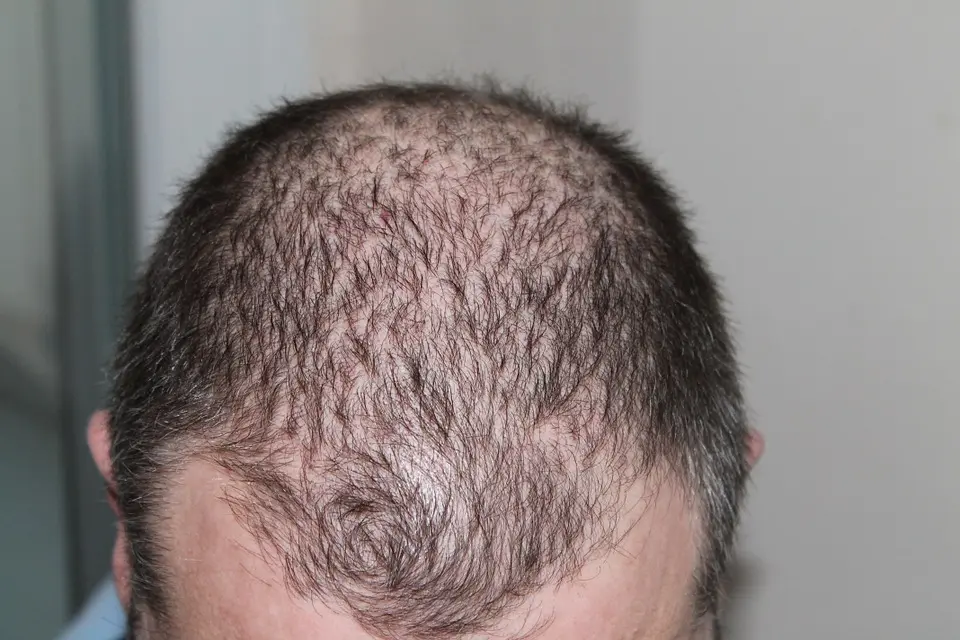
Posted On Jul 18, 2026A crown hair transplant involves relocating healthy hair follicles from a donor area, usually the back or sides of the scalp, to the thinning crown.
Hair loss at the crown can be one of the most frustrating concerns because it often develops gradually and becomes more noticeable over time. Crown hair transplants in Dubai have become a popular solution for individuals looking to restore thinning or bald areas while achieving natural-looking density. Unlike hairline restoration, crown restoration requires a strategic approach because the hair naturally grows in a circular pattern, making careful planning essential for a balanced appearance.
Understanding Crown Hair Loss
The crown, also called the vertex, is located at the top and back of the scalp. Hair thinning in this area is commonly associated with genetic hair loss, although aging, hormonal changes, stress, and certain medical conditions may also contribute.
Unlike frontal hair loss, crown thinning can continue expanding in different directions. This unique pattern means every treatment plan must be customized to match the patient's existing hair growth while preserving a natural appearance.
How Does a Crown Hair Transplant Work?
A crown hair transplant involves relocating healthy hair follicles from a donor area, usually the back or sides of the scalp, to the thinning crown. These donor hairs are genetically resistant to permanent hair loss, making them suitable for long-term growth after transplantation.
The process generally includes several important stages:
- Careful scalp examination and hair analysis.
- Designing the crown pattern according to natural hair whorls.
- Harvesting healthy follicles from the donor area.
- Preparing tiny recipient sites.
- Implanting grafts at the correct angle and direction.
- Monitoring healing and future hair growth.
Every implanted graft is positioned with precision because the crown's circular growth pattern requires follicles to follow the natural swirl instead of growing in straight lines.
Why the Crown Requires Special Planning
Restoring the crown is often more challenging than restoring the front hairline. The crown naturally contains hair that spirals outward from a central point, making graft placement more complex.
Surgeons carefully evaluate:
- Existing hair density
- Direction of natural hair growth
- Size of the thinning area
- Future progression of hair loss
- Availability of donor hair
This detailed planning helps produce a result that blends naturally with surrounding hair instead of creating an artificial appearance.
What Happens During the Procedure?
The procedure begins by preparing both the donor and recipient areas. Healthy follicles are carefully extracted while minimizing trauma to surrounding tissue. Small channels are then created within the crown to match the natural angle of hair growth.
The transplanted follicles are placed one by one to recreate the characteristic spiral pattern of the crown. Because the direction changes throughout the area, every graft must be positioned with accuracy rather than following a uniform alignment. Dynamic Life Clinic emphasizes individualized planning to achieve a balanced distribution that complements each patient's existing hair pattern.
Healing and Hair Growth Timeline
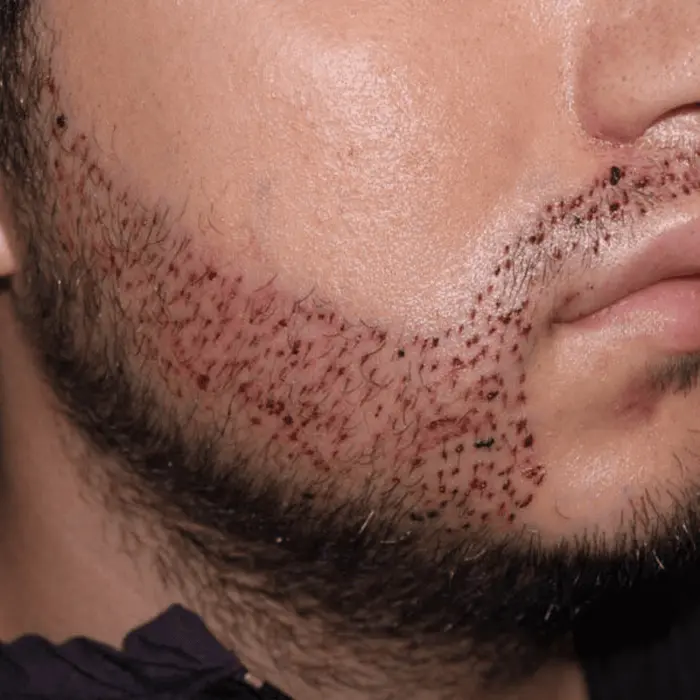
Following the procedure, patients may notice mild redness, tiny scabs, and temporary swelling, all of which gradually improve during the early healing phase. The transplanted hairs usually shed within the first few weeks, which is a completely normal part of the growth cycle.
New hair generally begins appearing over the following months, becoming thicker and stronger as time passes. Since hair grows gradually, improvements continue developing naturally, allowing the transplanted follicles to integrate with the surrounding hair for a fuller appearance.
Benefits of Crown Hair Transplants
A properly planned crown transplant offers several advantages beyond restoring hair coverage.
Some of the key benefits include:
- Natural-looking hair growth.
- Improved crown density.
- Long-lasting results using your own hair.
- Better overall hair balance.
- Permanent follicles resistant to further hair loss.
- Increased confidence in daily life.
- Hair that can be cut, styled, and washed normally.
Because transplanted follicles continue their normal growth cycle, they provide lasting improvement when supported by appropriate aftercare.
Who Is a Suitable Candidate?
Not everyone experiencing crown thinning requires the same treatment approach. Suitable candidates are typically individuals with sufficient donor hair and realistic expectations about achievable density.
A thorough assessment considers:
- Pattern of hair loss
- Donor hair quality
- Overall scalp condition
- General health
- Long-term hair loss progression
Patients with stable hair loss often experience more predictable outcomes because future changes can be anticipated during treatment planning.
Aftercare Tips for Better Results
Proper aftercare plays an important role in supporting healthy healing and successful hair growth.
Helpful recommendations include:
- Keep the scalp clean according to aftercare instructions.
- Avoid scratching or rubbing the treated area.
- Sleep with the head slightly elevated during the first few days.
- Avoid strenuous physical activities temporarily.
- Protect the scalp from excessive sunlight.
- Attend scheduled follow-up appointments.
- Follow all post-procedure guidance carefully.
These measures help protect newly transplanted follicles while allowing the scalp to recover comfortably.
Conclusion
Understanding how a crown hair transplant works makes it easier to appreciate the skill involved in restoring natural hair density. From careful donor hair selection to precise graft placement that follows the crown's unique spiral pattern, every stage is designed to produce seamless, long-lasting results. With proper planning, realistic expectations, and good aftercare, crown hair transplants can significantly improve the appearance of thinning areas while creating hair that blends naturally with existing growth.
;)