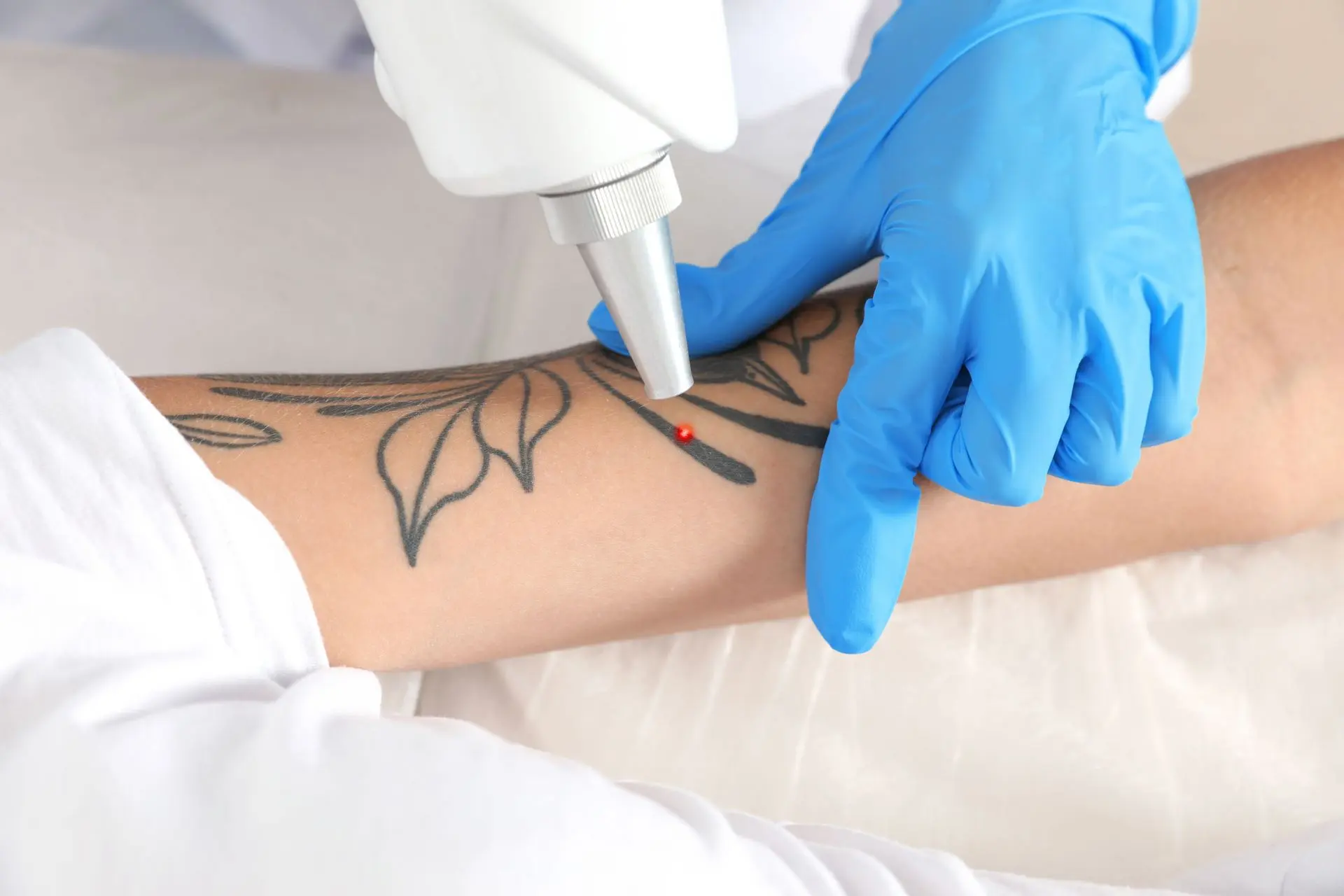
Laser tattoo removal is widely recognized as a modern approach to dealing with unwanted ink, offering a refined way to address tattoos without invasive measures. In many regions, including those where Laser Tattoo Removal Dubai is frequently discussed, people are curious about how this method interacts with the skin. Rather than focusing on external aspects, the core idea revolves around how light energy engages with tattooed areas, gradually altering their visibility over time in a controlled manner.
Understanding the Nature of Tattoo Ink
Tattoo ink sits beneath the surface of the skin, embedded in a way that allows it to remain visible for years. The pigments used vary in composition, density, and shade, which influences how they respond when exposed to external factors like laser light. Different colors behave differently, and darker pigments often respond more noticeably. The placement and layering of ink also affect how the skin interacts with any removal approach.
How Laser Light Targets Pigment
Laser tattoo removal relies on focused beams of light that are directed toward the tattooed area. These beams are designed to interact specifically with the pigment, distinguishing it from the surrounding skin. The energy from the laser is absorbed by the ink particles, causing them to react in a way that reduces their prominence. This targeted approach ensures that the surrounding skin remains largely unaffected while the tattooed area undergoes gradual change.
Key Interactions Between Light and Skin
- Laser energy is directed at specific pigment areas
- The ink absorbs light differently than natural skin
- Surrounding tissue reflects most of the energy
- Pigment begins to lose its original intensity
- Skin adapts naturally to the changes over time
The Role of Skin Layers
The skin is made up of multiple layers, each playing a role in how tattoos appear and how they can be addressed. Tattoo ink typically resides in deeper layers, which is why it remains visible for long periods. When laser energy reaches these layers, it interacts with the embedded pigment without significantly affecting the upper surface. This layered structure helps guide how the process unfolds and ensures that changes occur gradually.
Why Different Colors React Differently
- Darker pigments absorb more light energy
- Lighter shades reflect more light instead of absorbing it
- Certain colors require varied light wavelengths
- Ink composition influences responsiveness
- Layering of colors changes overall interaction
The Gradual Fading Process
As laser light interacts with the tattoo, the ink begins to lose its original appearance in a subtle and progressive way. The fading effect does not happen instantly but occurs through repeated interactions with light energy. Each exposure contributes to reducing the visibility of the pigment, allowing the tattoo to become less prominent over time. This gradual nature is what makes the process controlled and adaptable to different skin types.
How the Body Responds to Treated Ink
- Ink particles become less defined
- The skin adjusts naturally to pigment changes
- The appearance of the tattoo softens
- The treated area blends more with natural tone
- The overall visibility continues to decrease
Surface Appearance and Texture Changes
As the tattoo begins to fade, the surface of the skin may appear more uniform. The contrast between the tattoo and natural skin tone becomes less noticeable, leading to a smoother visual effect. While the deeper layers undergo change, the outer layer reflects these changes in a subtle way. This shift in appearance contributes to the overall perception of reduced tattoo visibility without altering the natural characteristics of the skin.
Final Thoughts
Laser tattoo removal works through a refined interaction between light energy, tattoo pigment, and the skin’s natural structure. By focusing on how light engages with ink beneath the surface, this approach allows tattoos to gradually lose their prominence. The process is shaped by factors such as ink color, skin layers, and natural adaptation, creating a balanced method that emphasizes precision and controlled transformation over time.


 Home
Home  About Dynamic Life Clinic Dubai
  Make An Enquiry









;)