map icon mao preview icon

mail icon lifeclinicsdynamic@gmail.com

dubai

Copyright © 2026 Citymapia.com. All Rights Reserved

What is Botox and how does it work on wrinkles?

What is Botox and how does it work on wrinkles?

Posted On Jun 24, 2026

Dynamic Life Clinics

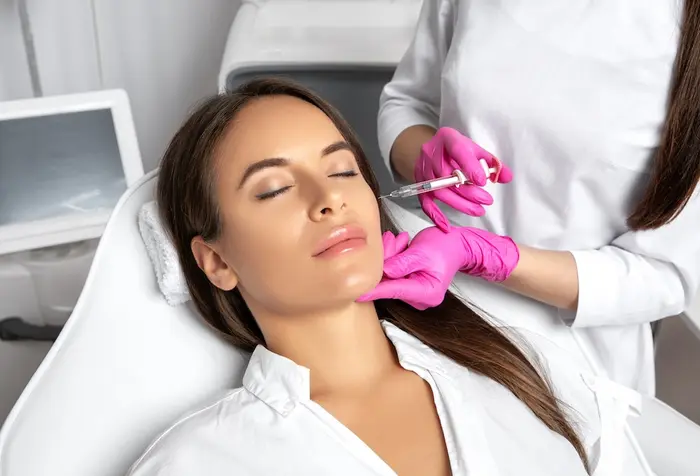
Wrinkles are a natural part of the aging process and often become more noticeable as facial expressions are repeated over time. Many people seek ways to maintain a smoother and more refreshed appearance without altering their natural features. Among the most recognized aesthetic options available today is Botox, a treatment widely associated with reducing the appearance of facial lines. In regions known for advanced cosmetic trends, terms like Botox Dubai have become increasingly familiar to individuals exploring wrinkle-related concerns. Understanding what Botox is and how it relates to wrinkle management can help people make informed decisions about their skincare goals.

Understanding Botox

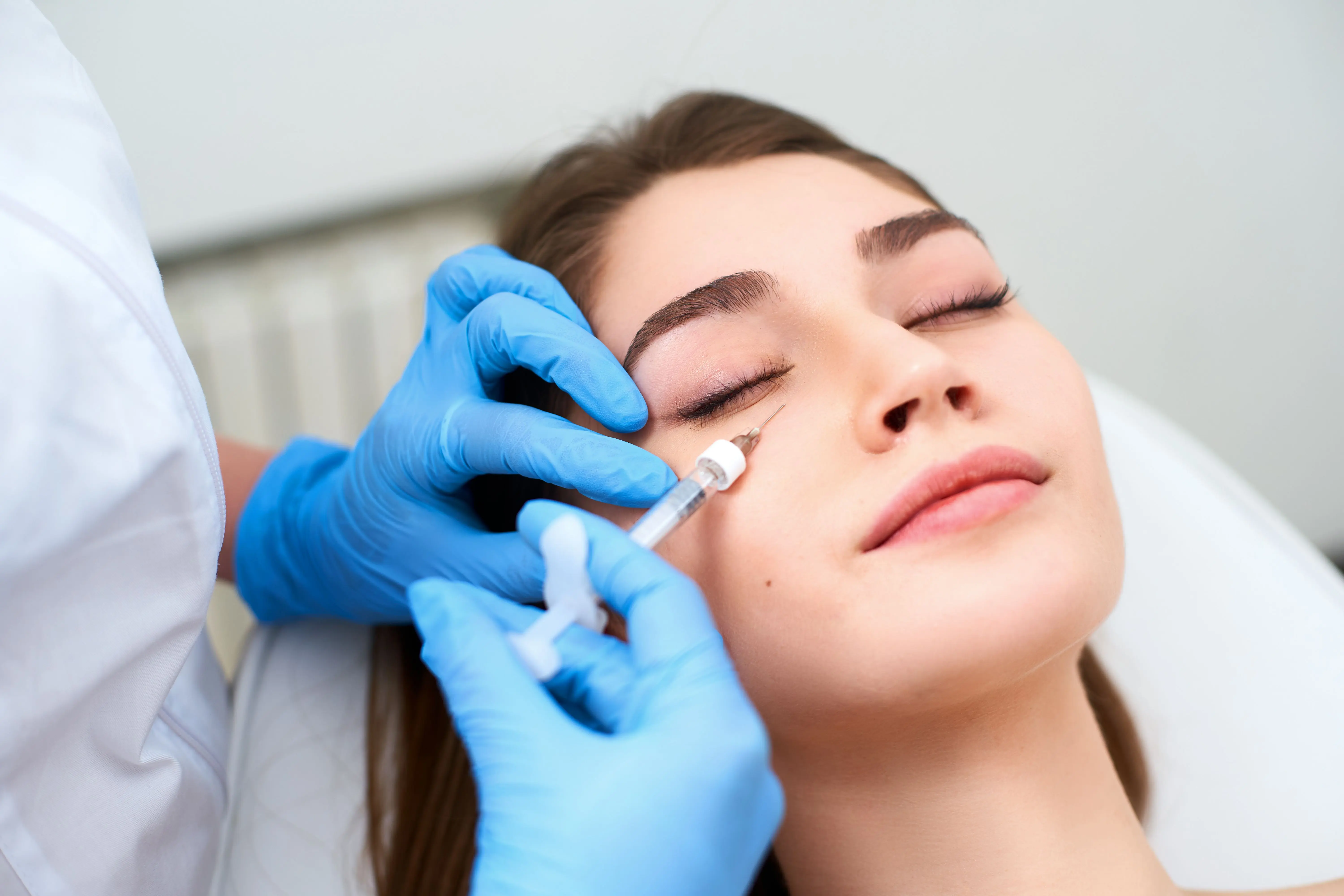
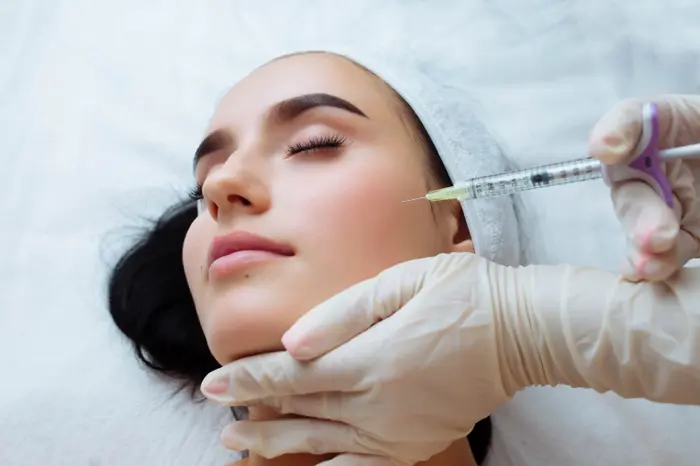
Botox is a well-known cosmetic treatment that is commonly used to address facial wrinkles and expression lines. It is often chosen by individuals who wish to soften visible signs of aging while maintaining a natural appearance. The treatment has gained widespread recognition because it focuses on areas where repetitive facial movements contribute to the formation of lines. As a result, Botox has become a popular topic in discussions about modern aesthetic care and facial rejuvenation.

Common Wrinkles Associated with Botox

  • Forehead lines that develop from raising the eyebrows repeatedly.
  • Frown lines that appear between the eyebrows during facial expressions.
  • Crow’s feet that form around the outer corners of the eyes.
  • Fine lines that become more visible during smiling or squinting.
  • Expression-related wrinkles that gradually deepen with age and movement.

Why Wrinkles Develop Over Time

Wrinkles emerge due to a combination of natural aging and everyday facial expressions. Smiling, laughing, frowning, and concentrating all contribute to repeated skin movement throughout life. Over time, these movements can leave visible marks on the skin's surface. Environmental influences, lifestyle habits, and changes in skin texture may also make wrinkles more noticeable. Understanding the factors behind wrinkle formation helps explain why certain cosmetic treatments are frequently chosen to address these visible signs of aging.

The Growing Popularity of Botox

Botox continues to attract attention because many individuals appreciate treatments that focus on maintaining a youthful and refreshed appearance. Its popularity spans different age groups and aesthetic preferences. Some people explore Botox as part of a proactive skincare approach, while others consider it when wrinkles become more pronounced. The treatment’s strong presence in cosmetic discussions has contributed to its reputation as one of the most recognized options for addressing facial lines and expression-related wrinkles.

Areas Commonly Discussed in Relation to Botox

  • Horizontal lines across the forehead.
  • Vertical lines between the eyebrows.
  • Wrinkles around the eyes known as crow’s feet.
  • Fine lines that appear around the mouth region.
  • Facial areas influenced by repeated expressions and movement.

How Botox Relates to Facial Expressions

Facial expressions are an essential part of communication and emotional expression. Every smile, laugh, or frown involves muscle activity beneath the skin. Over many years, these repeated movements contribute to the appearance of wrinkles. Botox is often discussed in relation to expression lines because it is associated with areas where facial movement plays a major role in wrinkle formation. This connection makes it a commonly referenced treatment in conversations about smoother and younger-looking skin.

Benefits Often Associated with Botox

Many people are drawn to Botox because it is linked with aesthetic goals centered on facial rejuvenation. It is frequently mentioned in beauty and skincare discussions as a way to address visible lines that can affect overall facial appearance. Individuals often appreciate treatments that support a refreshed look while preserving their unique features. The widespread recognition of Botox has contributed to its position as a significant topic within modern cosmetic and anti-aging practices around the world.

Reasons People Consider Botox for Wrinkles

  • Desire to reduce the appearance of visible facial lines.
  • Interest in maintaining a youthful-looking appearance.
  • Focus on enhancing confidence through aesthetic improvements.
  • Preference for non-surgical cosmetic options.
  • Interest in addressing expression-related wrinkles in specific areas.

Botox and Modern Aesthetic Trends

The beauty industry continues to evolve, with increasing emphasis on treatments that support natural-looking enhancements. Botox has remained relevant within these trends because many individuals seek subtle improvements rather than dramatic changes. Discussions surrounding aesthetic care often include Botox as a recognized option for wrinkle-related concerns. Its longstanding presence in the cosmetic field demonstrates its influence on contemporary beauty preferences and the growing interest in personalized approaches to facial appearance and skincare.

Final Thoughts

Botox is one of the most widely recognized cosmetic treatments associated with wrinkle management and facial rejuvenation. It is commonly linked to expression lines that develop through years of natural facial movement and aging. As awareness of aesthetic treatments continues to grow, Botox remains an important topic for individuals interested in maintaining a smoother and more refreshed appearance. Understanding its connection to wrinkles provides valuable insight into why it continues to play a significant role in modern cosmetic and skincare discussions.


Related items