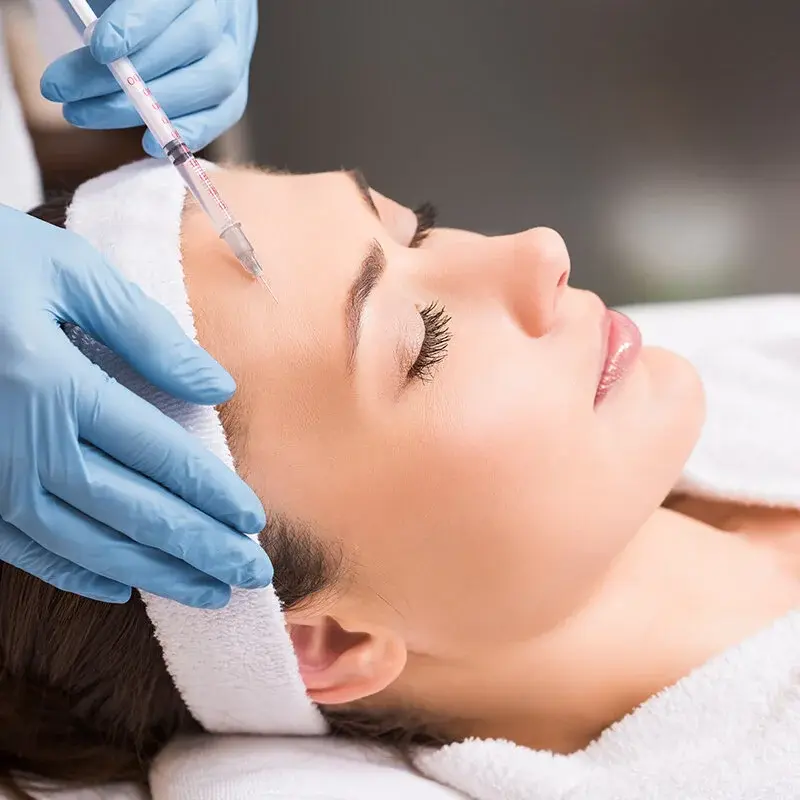
Damaged skin can result from acne scars, sun exposure, aging, environmental pollution, and lifestyle factors that weaken the skin’s natural repair system. This often leads to uneven texture, dullness, and reduced elasticity. Many people look for regenerative treatments that work from within rather than only masking surface concerns. One widely used option is PRP Treatment in Dubai, which is known for supporting natural skin renewal and improving overall skin quality.PRP is used to support skin healing and improve overall skin quality in a natural and biocompatible way.
Understanding Damaged Skin
Damaged skin refers to skin that has lost its natural smoothness, firmness, and glow due to internal or external stressors. It may appear rough, uneven, or tired, with visible concerns such as fine lines, acne marks, or pigmentation. When the skin’s healing ability slows down, it becomes harder for it to repair itself efficiently, resulting in long-term visible damage.
What Is PRP Treatment
PRP stands for Platelet-Rich Plasma, a treatment that uses a concentration of platelets derived from a person’s own blood. These platelets contain natural growth factors that help stimulate tissue repair, collagen production, and cell regeneration.
How PRP Improves Damaged Skin Through Renewal
PRP improves damaged skin by activating the body’s natural healing response. The growth factors in PRP stimulate new cell production, repair damaged tissues, and boost collagen formation. This process helps renew the skin from within, gradually improving texture, tone, and overall skin health.
Key Ways PRP Supports Skin Renewal
- Stimulates natural collagen production for stronger skin.
- Promotes cell regeneration for damaged areas.
- Improves skin texture and smoothness.
- Reduces appearance of scars and fine lines.
- Enhances overall skin healing and repair.
Role of Growth Factors in Skin Repair
Growth factors in PRP play a major role in skin renewal. They signal skin cells to regenerate, repair damaged tissue, and produce more collagen and elastin. This helps rebuild the skin’s structure and improves its ability to heal naturally over time.
Why Skin Becomes Damaged
Skin damage occurs due to several factors including sun exposure, pollution, acne, aging, and loss of collagen. Over time, these factors weaken the skin barrier and slow down natural repair processes. As a result, the skin becomes more prone to uneven texture and visible imperfections.
Effect on Skin Texture and Tone
PRP improves skin texture by encouraging new cell growth and repairing damaged areas. As the skin regenerates, it becomes smoother and more even. It also helps improve skin tone by reducing dullness and promoting a healthier, more balanced appearance.
Benefits Beyond Skin Renewal
In addition to repairing damaged skin, PRP also enhances overall skin quality by improving hydration, elasticity, and natural glow. It supports long-term skin health by strengthening the skin’s internal structure and boosting its regenerative capacity.
Visible Improvements Over Time
Results from PRP treatment develop gradually as the skin undergoes natural regeneration. Over several weeks, the skin becomes smoother, brighter, and more even. With continued improvement, damaged areas show noticeable reduction in scars, fine lines, and rough texture.
Factors That Influence Results
The effectiveness of PRP depends on the severity of skin damage, age, and natural healing response. Lifestyle habits such as hydration, nutrition, and sun protection also play an important role in supporting skin renewal and maintaining results.
Factors That Support Better Skin Renewal Results
- Healthy lifestyle improves skin healing response.
- Proper hydration supports cell regeneration.
- Balanced nutrition boosts collagen production.
- Sun protection prevents further damage.
- Consistent skincare enhances long-term results.
FAQ’s
Can PRP improve damaged skin?
Yes it helps repair and renew skin naturally.
How does PRP work on skin damage?
It stimulates growth factors and collagen production.
Are results immediate?
No results develop gradually over time.
Does it improve scars?
Yes it helps reduce the appearance of scars.
Is PRP natural?
Yes it uses the patient’s own blood components.
Conclusion
PRP treatment effectively improves damaged skin through natural renewal by stimulating collagen production, enhancing cell regeneration, and supporting tissue repair. It works from within the skin to restore texture, tone, and overall quality. With consistent care, it offers a powerful regenerative solution for achieving healthier, smoother, and more radiant skin over time.


 Home
Home  About Dynamic Life Clinics
  Make An Enquiry





;)