Dynamic Life Clinics111

 Home
Home  About Dynamic Life Clinics111
  Make An Enquiry





What Is Gastric Bypass Surgery and How Does It Work?
Posted On Jun 19, 2026Gastric Bypass in Dubai at Dynamic Life Clinics helps treat severe obesity by promoting sustainable weight loss and healthier lifestyle outcomes.
Gastric bypass surgery is a widely performed weight loss procedure designed for individuals struggling with severe obesity and related health conditions. It helps reduce food intake and changes how the body absorbs nutrients, leading to significant and long-term weight loss. Many patients choose Gastric Bypass in Dubai as an effective solution when diet and exercise alone do not deliver lasting results, especially for improving overall health and quality of life.
Understanding Gastric Bypass Surgery
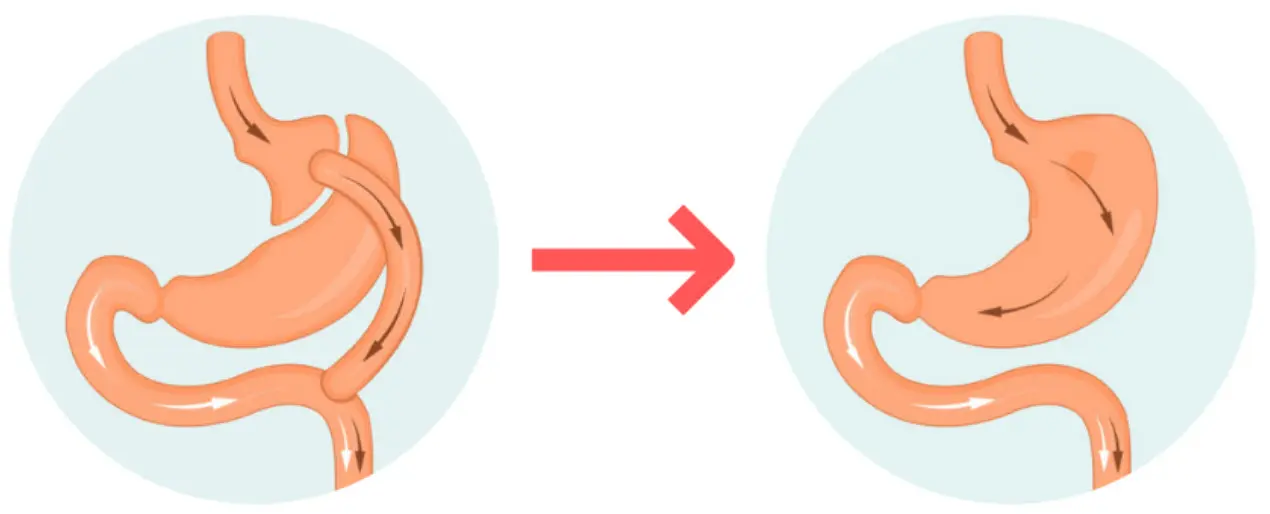
Gastric bypass surgery is a bariatric procedure that modifies the digestive system to support weight loss. It involves creating a small stomach pouch and rerouting part of the small intestine. This limits food intake and reduces calorie absorption, helping patients feel full faster and consume fewer calories naturally.
What Is Gastric Bypass Surgery?
Gastric bypass surgery is a medical weight loss procedure that alters both the stomach and digestive tract. The surgeon creates a small pouch at the top of the stomach and connects it directly to the small intestine. This bypasses a portion of the digestive system, reducing food intake and calorie absorption.
How Does Gastric Bypass Surgery Work?
Gastric bypass surgery works by restricting stomach size and changing the path food takes through the digestive system. The smaller stomach pouch holds less food, making patients feel full quickly, while the bypassed section of the intestine reduces calorie absorption, leading to gradual and effective weight loss over time.
Key Mechanisms of Weight Loss
- Reduces stomach capacity to limit food intake.
- Bypasses part of the small intestine for fewer calorie absorption.
- Promotes early fullness after small meals.
- Alters hunger hormones to reduce appetite.
- Supports long-term metabolic changes for weight control.
Role of Stomach Size Reduction
The creation of a small stomach pouch is one of the main components of gastric bypass surgery. This pouch significantly reduces the amount of food a person can eat at one time, which naturally decreases calorie intake and helps control portion sizes without constant hunger.
Changes in Digestion Process
After surgery, food no longer passes through the entire stomach and upper intestine. Instead, it is redirected to a lower section of the small intestine. This change reduces the time and surface area available for calorie absorption, contributing to effective weight loss.
Hormonal Impact on Appetite
Gastric bypass surgery also affects hormones responsible for hunger and fullness. After the procedure, levels of hunger hormones decrease while satiety hormones increase. This helps patients feel satisfied with smaller portions and reduces frequent cravings.
Long-Term Weight Loss Benefits
One of the major advantages of gastric bypass surgery is its ability to produce long-term weight loss results. Patients often experience significant reductions in body weight, improved mobility, and better management of obesity-related conditions such as diabetes and high blood pressure.
Health Improvements After Surgery
In addition to weight loss, gastric bypass surgery can improve overall health. Many patients experience better blood sugar control, reduced cholesterol levels, improved heart health, and relief from joint pain caused by excess weight.
Lifestyle Changes After Surgery
Successful results depend on long-term lifestyle changes. Patients must follow a structured diet plan, eat smaller meals, and adopt healthy eating habits. Regular physical activity also plays an important role in maintaining weight loss after surgery.
Risks and Considerations
Like any major surgery, gastric bypass carries potential risks such as nutrient deficiencies, dumping syndrome, or complications related to surgery. Proper medical evaluation and long-term follow-up care are essential to ensure safety and successful outcomes.
Factors That Influence Results
The success of gastric bypass surgery depends on several factors including patient commitment, lifestyle changes, medical history, and adherence to dietary guidelines. Regular follow-ups and proper nutrition support long-term success.
Factors That Support Better Results
- Following a balanced post-surgery diet plan.
- Maintaining regular physical activity.
- Attending follow-up medical appointments.
- Taking prescribed nutritional supplements.
- Avoiding unhealthy eating habits.
FAQ’s
What is gastric bypass surgery?
It is a weight loss procedure that reduces stomach size and changes digestion.
How does it work?
It limits food intake and reduces calorie absorption.
Is weight loss permanent?
Results can be long-term with proper lifestyle changes.
Does it affect appetite?
Yes it reduces hunger and increases fullness.
Who is it suitable for?
It is suitable for individuals with severe obesity.
Conclusion
Gastric bypass surgery is an effective weight loss procedure that works by reducing stomach size and altering the digestive system to limit calorie absorption. It helps individuals achieve significant and long-term weight loss while improving overall health conditions. With proper medical guidance and lifestyle changes, Gastric Bypass in Dubai offers a reliable solution for managing severe obesity and enhancing quality of life.





;)