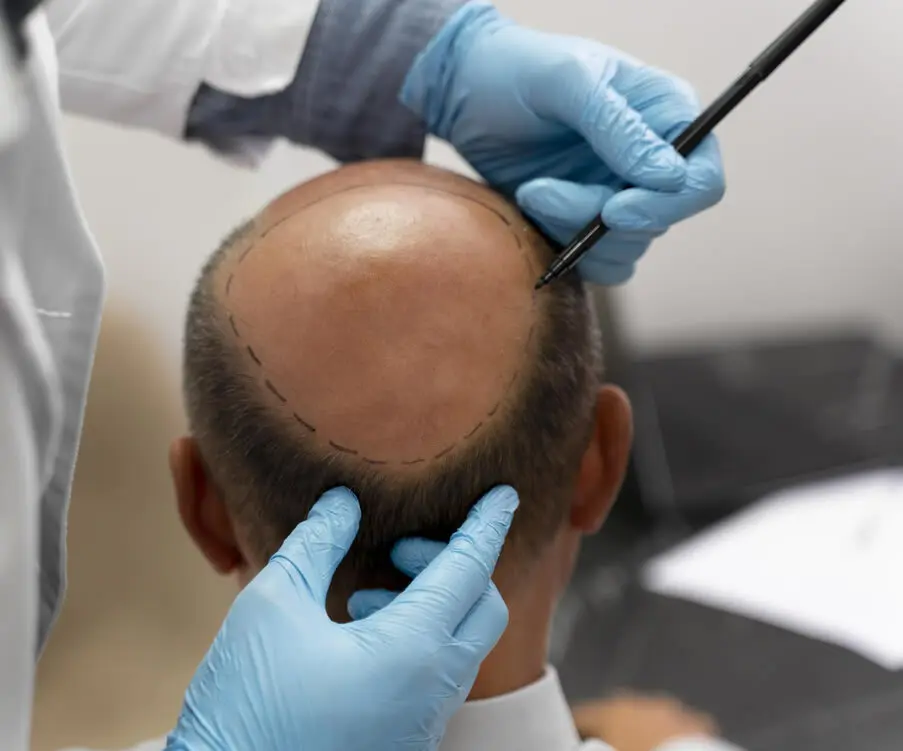
The crown area of the scalp is one of the most common regions affected by hair thinning and baldness. When hair loss progresses in this area, it often creates a visible circular patch that can be difficult to conceal. This significantly impacts overall hair appearance and confidence. Modern solutions like Crown Hair Transplant in Dubai are designed to effectively restore hair in this specific region, helping patients achieve fuller and more natural-looking coverage.
Understanding Crown Hair Loss
Crown hair loss typically begins with gradual thinning at the top-back of the scalp. Over time, this thinning expands into a circular pattern, often referred to as a “crown bald spot.” The area becomes more visible due to reduced hair density and weaker follicle activity. Because the crown is a high-rotation zone, hair loss here can appear more noticeable than in other areas.
What Is Crown Hair Transplant
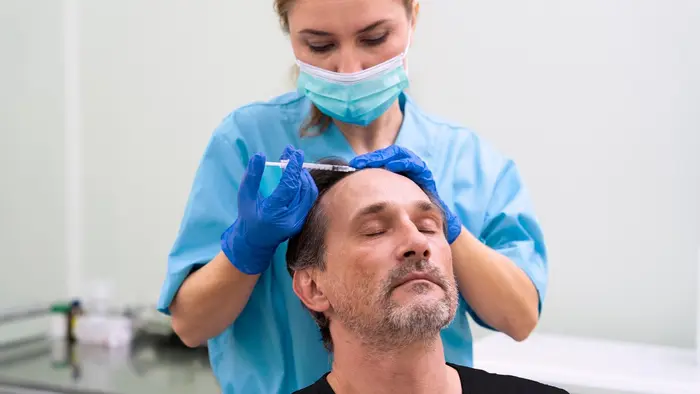
A crown hair transplant is a specialized procedure that restores hair in the vertex or crown region of the scalp. It involves extracting healthy hair follicles from a donor area, usually the back or sides of the head, and implanting them into the thinning crown region. These follicles continue to grow naturally, restoring coverage over time.
How Does Crown Hair Transplant Fill Empty Crown Regions Effectively?
Crown hair transplant fills empty crown regions effectively by strategically placing healthy, permanent hair follicles into thinning or bald areas. These transplanted follicles adapt to the scalp, establish blood supply, and begin natural growth, gradually increasing density and covering visible gaps in the crown.
Key Ways It Fills Crown Regions
- Transplants healthy follicles into bald crown areas.
- Restores natural hair growth in thinning zones.
- Improves density in circular bald patches.
- Enhances uniform hair distribution on the crown.
- Creates gradual and natural-looking coverage.
Role of Donor Hair in Crown Restoration
Donor hair is essential for crown restoration because it contains genetically strong follicles that are resistant to hair loss. These follicles retain their growth characteristics even after being moved to the crown, ensuring long-term and stable coverage in the treated area.
Why the Crown Area Is Difficult to Treat
The crown area is often challenging because hair loss there tends to spread in a circular pattern and may require a higher number of grafts for full coverage. Additionally, natural hair whorls in the crown require careful placement to maintain a realistic appearance.
How Grafts Are Placed in the Crown Area
During a crown transplant, hair grafts are placed at specific angles and directions that mimic natural hair growth patterns. This careful positioning ensures that the new hair blends seamlessly with existing hair and follows the natural swirl pattern of the crown.
Effect on Hair Density in the Crown
As transplanted follicles begin to grow, hair density in the crown gradually increases. This reduces visible scalp exposure and creates a fuller appearance. Over time, the crown area becomes more uniform and balanced with the rest of the scalp.
Creating Natural Hair Flow
One of the most important aspects of crown restoration is recreating natural hair flow. Surgeons design graft placement to match the spiral growth pattern of the crown, ensuring that the results look natural from every angle.
Benefits Beyond Crown Coverage
In addition to filling bald regions, crown hair transplant improves overall scalp balance, enhances hairstyle options, and boosts confidence. It also contributes to a more youthful and well-groomed appearance.
Visible Improvements Over Time
Results from crown hair transplant develop gradually. Initially, transplanted hair may shed, which is part of the normal growth cycle. New hair then begins to grow over several months, gradually filling in the crown area and improving density.
Factors That Influence Crown Results
The success of crown restoration depends on the extent of hair loss, donor hair quality, scalp condition, and surgical technique. Proper aftercare and healthy lifestyle habits also play a key role in achieving optimal results.
Factors That Support Better Crown Hair Transplant Results
- Strong donor hair improves graft survival.
- Proper graft placement enhances natural appearance.
- Healthy scalp supports hair growth.
- Good aftercare ensures healing and stability.
- Consistent care improves long-term density.
FAQ’s
How does crown hair transplant fill empty crown areas?
It places healthy follicles into thinning regions for natural growth.
Does it look natural in the crown?
Yes grafts are placed to match natural hair patterns.
How long before results appear?
Visible growth develops gradually over several months.
Is crown restoration permanent?
Yes transplanted hair continues to grow long-term.
Can it cover large bald crown areas?
Yes depending on donor hair availability and condition.
Conclusion
Crown hair transplant effectively fills empty crown regions by transplanting healthy follicles into thinning areas and restoring natural hair growth patterns. It improves density, recreates natural hair flow, and provides long-lasting coverage for bald or sparse crown areas. With proper technique and care, it delivers natural, balanced, and permanent improvement in crown hair appearance.


 Home
Home  About Dynamic Life Clinics1111
  Make An Enquiry








;)