Enfield Royal Clinic Oman

 Home
Home  About Enfield Royal Clinic Oman
  Treatments
  Make An Enquiry






Are Non‑Surgical Options Better Than Plastic Surgery?
Posted On Feb 3, 2026Learn about plastic surgery procedures, benefits, risks, and recovery from board-certified experts. Make informed, confident aesthetic decisions.
In recent years, cosmetic treatments have evolved dramatically, offering individuals a wide range of options to enhance their appearance. From non-invasive treatments like fillers and laser therapies to traditional surgical procedures, many people wonder whether non-surgical options might be better than plastic surgery. For those considering changes at a Plastic Surgery Clinic in Oman, understanding the differences, benefits, and limitations of both approaches is essential for making an informed decision.
Understanding Non-Surgical Options
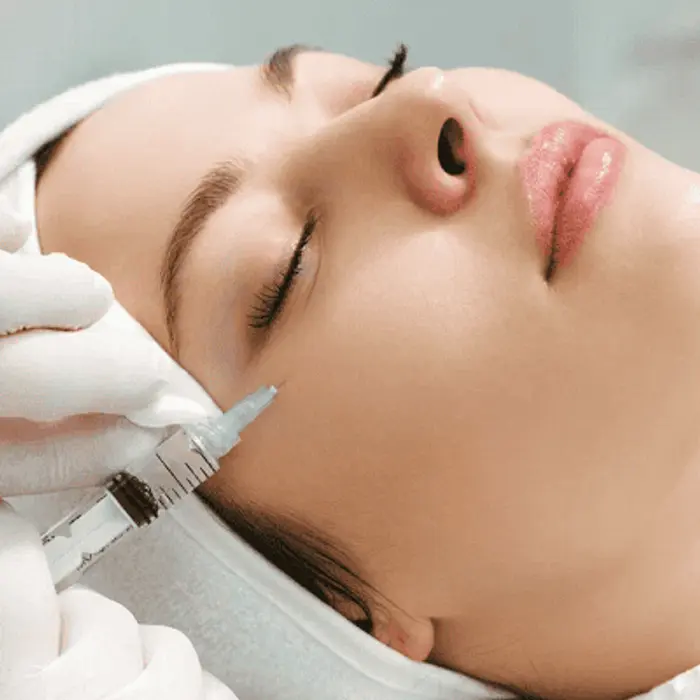
Non-surgical cosmetic treatments are procedures that improve appearance without requiring incisions or general anesthesia. These treatments often involve injections, energy-based devices, or topical therapies. Common examples include:
Dermal Fillers and Botox: Used to reduce wrinkles, add volume, or contour facial features.
Laser Skin Treatments: Improve skin tone, texture, and reduce pigmentation issues.
Chemical Peels: Remove dead skin layers to promote smoother, brighter skin.
Microdermabrasion and Microneedling: Stimulate collagen production and rejuvenate skin.
Non-Invasive Body Contouring: Devices like radiofrequency or ultrasound help reduce localized fat without surgery.
These options are typically performed in outpatient settings, require minimal recovery time, and are generally less expensive than surgical procedures.
Benefits of Non-Surgical Options
Non-surgical treatments offer several advantages for individuals seeking cosmetic enhancements:
Minimal Downtime: Most non-surgical procedures allow patients to resume daily activities immediately or within a day.
Lower Risk: Since there are no incisions or anesthesia involved, risks such as infection or scarring are significantly reduced.
Gradual and Adjustable Results: Many treatments can be tailored over multiple sessions to achieve subtle or progressive changes.
Cost-Effective: Non-surgical procedures generally have lower upfront costs than surgery, making them more accessible to a wider audience.
Less Psychological Stress: The non-invasive nature often reduces anxiety compared to undergoing surgery.
For those hesitant about surgery or wanting to improve their appearance with minimal disruption, non-surgical options can be appealing.
The Role of Plastic Surgery
While non-surgical treatments are popular, plastic surgery still remains the gold standard for certain cosmetic and reconstructive goals. Surgical procedures involve modifying tissue or bone to achieve more significant and long-lasting changes. Common plastic surgeries include:
Facelifts, eyelid surgery, and rhinoplasty for facial rejuvenation
Liposuction or tummy tucks for body contouring
Breast augmentation, reduction, or reconstruction
Reconstructive procedures after injury or medical conditions
Plastic surgery provides more dramatic results that are often permanent. For individuals seeking major transformations, surgery may be the most effective solution.
Comparing Non-Surgical Treatments and Surgery
When deciding between non-surgical options and plastic surgery, several factors should be considered:
Results: Surgery generally offers more noticeable and lasting results. Non-surgical treatments provide subtler improvements and may require repeated sessions.
Recovery Time: Non-surgical procedures usually have minimal downtime, while surgery requires weeks of recovery and careful post-operative care.
Risk and Safety: Non-surgical treatments are less risky but may still carry minor side effects such as bruising or temporary swelling. Surgery carries higher risks but is carefully managed in professional clinics.
Cost: Non-surgical treatments tend to have lower initial costs but can become expensive over time if multiple sessions are needed. Surgery is costlier upfront but often requires fewer follow-ups.
Longevity: Surgical results are long-lasting, whereas non-surgical treatments often last from a few months to a couple of years.
Understanding these differences can help patients set realistic expectations and choose the approach that aligns with their goals.
Who Should Consider Non-Surgical Options
Non-surgical treatments are particularly suitable for:
Individuals seeking minor enhancements rather than major changes
Those looking to delay the signs of aging without undergoing surgery
Patients with medical conditions that make surgery risky
People with busy schedules who cannot afford extended recovery periods
Individuals exploring cosmetic treatments for the first time
These treatments can also serve as complementary procedures for patients who plan to undergo surgery in the future, providing temporary or supportive results before or after a surgical procedure.
Limitations of Non-Surgical Options
Despite their popularity, non-surgical treatments have limitations:
Temporary Results: Many procedures require repeated treatments to maintain results.
Limited Effectiveness for Major Changes: Non-surgical options cannot reshape bones, remove excess skin, or perform large-scale body contouring.
Potential Side Effects: While generally mild, side effects like swelling, redness, or bruising can occur.
Variable Outcomes: Results can vary based on the provider’s expertise and the patient’s individual response to treatment.
Patients seeking significant or permanent changes often find that surgical options are more suitable.
Making the Decision: Surgery vs. Non-Surgical Treatments
Choosing between non-surgical and surgical options is a personal decision that depends on goals, lifestyle, and risk tolerance. Those considering plastic surgery clinic in Oman should weigh the following steps:
Consultation: Meet with a qualified professional to discuss goals, expectations, and available options.
Research Procedures: Understand the benefits, risks, and costs of both surgical and non-surgical treatments.
Assess Recovery Needs: Consider downtime, lifestyle limitations, and the impact on daily activities.
Set Realistic Expectations: Recognize what each treatment can achieve and avoid expecting surgical-level results from non-invasive procedures.
Long-Term Planning: Think about maintenance, follow-up treatments, and potential future procedures.
An informed decision ensures satisfaction and safety, regardless of the chosen path.
FAQs About Non-Surgical vs. Surgical Cosmetic Options
1. Are non-surgical treatments completely painless?
Most non-surgical treatments are minimally uncomfortable, though some procedures may cause mild tingling, swelling, or bruising.
2. Can non-surgical options replace plastic surgery entirely?
Non-surgical treatments are effective for minor enhancements, but they cannot replace surgery for major transformations or structural changes.
3. How long do non-surgical results last?
Results vary depending on the procedure. For example, Botox lasts 3–6 months, while fillers may last 6–18 months.
4. Is recovery faster with non-surgical treatments?
Yes, most non-surgical procedures allow patients to resume daily activities immediately or within a day. Surgery typically requires weeks of recovery.
5. Are non-surgical treatments safer than surgery?
Non-surgical procedures generally carry fewer risks, but any cosmetic intervention has some potential for side effects.
6. Can non-surgical treatments complement surgery?
Yes, they can enhance or maintain surgical results, offering additional rejuvenation without extra invasive procedures.
Conclusion
Both non-surgical options and plastic surgery have distinct advantages and limitations. Non-invasive treatments are excellent for subtle improvements, minimal downtime, and lower risk, while plastic surgery provides more dramatic, long-lasting results. For individuals considering a plastic surgery clinic in Oman, the best approach depends on personal goals, expectations, and lifestyle. Consulting with professionals, understanding the procedures, and weighing risks versus benefits ensures the chosen path delivers satisfying and safe results.






;)