Chemical peels have become one of the most talked-about skincare treatments in recent years, especially among people looking to refresh dull skin, reduce acne marks, or achieve a smoother complexion. With growing interest in Chemical Peels in Muscat, many individuals are asking an important question: do chemical peels really improve skin texture, or are the results just temporary?
The short answer is yes—chemical peels can significantly improve skin texture when used appropriately and matched to the right skin type. However, the real results depend on several factors such as peel strength, skin condition, and post-treatment care. This article explores how chemical peels work, their benefits, and what individuals can realistically expect.
Understanding Chemical Peels and How They Work
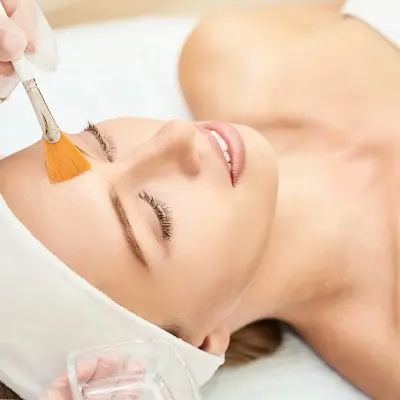
Chemical peels are skin-resurfacing treatments that use specially formulated solutions to remove the outermost layers of the skin. These solutions typically contain acids such as alpha hydroxy acids (AHAs), beta hydroxy acids (BHAs), or trichloroacetic acid (TCA), depending on the depth of the peel.
The main idea behind the treatment is simple: by removing damaged skin layers, the body naturally triggers the regeneration of new, healthier skin cells. This process leads to improved skin tone, reduced imperfections, and smoother texture over time.
In places like Muscat, where sun exposure and dry weather can affect skin quality, chemical peels are often considered a practical option for skin rejuvenation.
Do Chemical Peels Really Improve Skin Texture?
Yes, chemical peels can improve skin texture, especially when the concern involves roughness, uneven skin tone, or mild scarring. The treatment works by accelerating the skin’s natural exfoliation process, which helps eliminate dead skin cells that often cause a dull or uneven surface.
When the outer damaged layer is removed, the fresh skin underneath appears smoother and more refined. Over multiple sessions, this can lead to noticeable improvements in:
- Skin smoothness
- Pore appearance
- Fine lines
- Acne scars
- Overall radiance
However, results are not instant. Skin texture improvements typically develop gradually, especially with mild to medium-depth peels. Consistency and proper skincare after treatment play a major role in achieving long-term benefits.
Types of Chemical Peels Used for Skin Texture Improvement
Not all chemical peels are the same. They are generally categorized based on how deeply they penetrate the skin.
Light Chemical Peels
Light peels target only the outer layer of the skin. They are often used for mild texture issues, dullness, and minor pigmentation. These peels usually require little to no downtime, making them popular for first-time users.
Medium Chemical Peels
Medium-depth peels penetrate deeper into the skin and are more effective for treating moderate skin texture issues, acne scars, and uneven tone. They may involve a few days of visible peeling as the skin renews itself.
Deep Chemical Peels
Deep peels are more intensive and typically used for severe skin concerns. They provide more dramatic results but require longer recovery time and careful aftercare.
In the context of Chemical Peels in Muscat, lighter and medium peels are more commonly chosen due to the climate and lifestyle factors that influence skin sensitivity.
Key Benefits of Chemical Peels for Skin Texture
Chemical peels offer more than just surface-level improvements. Their benefits extend to overall skin health and appearance.
Smoother and Refined Skin Surface
One of the most noticeable effects is improved smoothness. By removing dead skin buildup, the skin feels softer and looks more even.
Reduction in Acne Scars and Marks
Chemical peels help fade post-acne marks and shallow scars over time. They encourage new skin growth, which gradually replaces damaged tissue.
Improved Skin Brightness
Many individuals notice a natural glow after treatment, as dull and tired skin layers are removed.
Better Product Absorption
Once the top layer of dead skin is cleared, skincare products can penetrate more effectively, enhancing their performance.
Reduction in Fine Lines
Mild fine lines may appear less visible as collagen production is stimulated during the healing process.
What to Expect During and After Treatment
Before undergoing a chemical peel, the skin is usually cleansed and prepped. The chemical solution is then applied for a controlled period before being neutralized or removed.
During the procedure, a tingling or mild burning sensation is common, especially with stronger peels. After treatment, the skin may appear red or slightly sensitive.
In the following days, mild peeling or flaking may occur as the skin naturally sheds its outer layer. This is a normal part of the renewal process.
Proper aftercare is essential for achieving the best results, especially in warmer climates like Muscat. This typically includes:
- Avoiding direct sun exposure
- Using gentle skincare products
- Applying sunscreen regularly
- Keeping the skin hydrated
- Avoiding exfoliation until fully healed
Are Chemical Peels Suitable for Everyone?
While chemical peels are effective, they are not suitable for all skin types or conditions. Individuals with extremely sensitive skin, active infections, or certain skin disorders may need alternative treatments.
People with darker skin tones can also benefit from chemical peels, but they must choose the right type and strength to avoid pigmentation issues. This is why professional assessment is important before starting treatment.
In general, candidates who benefit most from chemical peels include those dealing with:
- Uneven skin texture
- Mild to moderate acne scars
- Sun damage
- Pigmentation concerns
- Dull or rough skin
Chemical Peels in Muscat: Why They Are Popular
The popularity of Chemical Peels in Muscat has grown steadily due to lifestyle and environmental factors. The region’s strong sunlight, dry air, and occasional dust exposure can contribute to skin dullness, uneven tone, and clogged pores.
Chemical peels offer a practical solution for individuals looking to refresh their skin without invasive procedures. They are also adaptable, meaning treatments can be customized based on skin type, sensitivity, and desired results.
Additionally, modern skincare awareness has encouraged more people to explore non-surgical treatments for maintaining youthful and healthy skin.
Possible Side Effects and Safety Considerations
Chemical peels are generally safe when performed correctly, but like any skincare procedure, they may come with temporary side effects. These can include:
- Redness
- Mild swelling
- Peeling or flaking
- Temporary sensitivity
These effects usually subside within a few days to a week, depending on peel strength.
The key to safety lies in proper skin evaluation, choosing the right peel type, and following aftercare instructions carefully. Overuse or incorrect application can lead to irritation or pigmentation issues, which is why gradual treatment planning is often recommended.
Final Thoughts
Chemical peels can indeed improve skin texture when used appropriately and consistently. They work by removing damaged skin layers and promoting natural regeneration, resulting in smoother, brighter, and healthier-looking skin over time.
For individuals considering Chemical Peels in Muscat, understanding the different types of peels, realistic expectations, and aftercare requirements is essential for achieving the best outcome. While results are not immediate, gradual improvements can be long-lasting when the treatment is done safely and supported with good skincare habits.
FAQs
1. Do chemical peels permanently improve skin texture?
Chemical peels can provide long-lasting improvement in skin texture, but maintenance treatments and good skincare habits are often needed to sustain results.
2. How long does it take to see results from a chemical peel?
Some improvement may be visible within a week after healing, but more noticeable results typically appear after multiple sessions.
3. Are chemical peels painful?
Most people experience mild tingling or warmth during the procedure, but it is generally well tolerated.
4. Can chemical peels help with acne scars?
Yes, chemical peels can help reduce the appearance of mild to moderate acne scars over time by promoting skin renewal.
5. How often can chemical peels be done?
The frequency depends on the type of peel and skin condition. Light peels may be done more frequently, while deeper peels require longer intervals.
6. Is downtime required after a chemical peel?
Light peels may have little to no downtime, while medium or deeper peels can require a few days of recovery depending on skin response.
Read More About Chemical Peels: https://www.citymapia.com/muscat/enfield-royal-clinic-oman/blog/chemical-peels-vs-25062


 Home
Home  About Enfield Royal Clinic Oman
  Treatments
  Make An Enquiry








;)