Enfield Royal Clinic Oman

 Home
Home  About Enfield Royal Clinic Oman
  Treatments
  Make An Enquiry






Laser Carbon Peel vs Chemical Peel: Key Differences
Posted On Jun 27, 2026Discover Laser Carbon Peel benefits for glowing skin, reduced pores, and acne. A quick, non-invasive treatment for smoother, clearer complexion.
Healthy, glowing skin is a goal shared by many people, and modern skincare treatments offer several effective ways to improve skin texture, tone, and overall appearance. Among the most popular non-surgical skin rejuvenation options are the Laser Carbon Peel and the Chemical Peel. While both treatments aim to refresh the skin and address common concerns like acne, pigmentation, and uneven texture, they work in very different ways.
Choosing between these two treatments can be confusing without understanding their benefits, procedures, recovery time, and ideal candidates. This guide explains the key differences between a Laser Carbon Peel and a chemical peel, helping readers make a more informed decision based on their skin goals and needs.
What Is a Laser Carbon Peel?
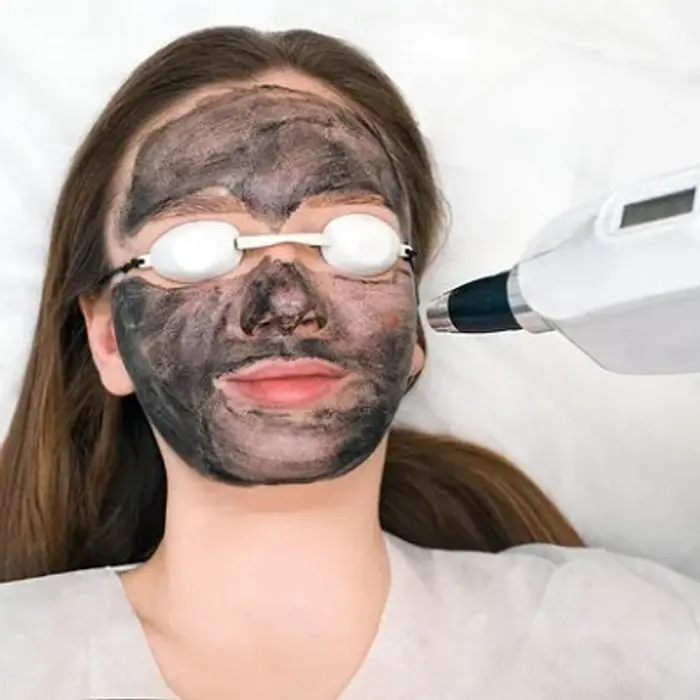
A Laser Carbon Peel is a non-invasive skin rejuvenation treatment that combines a medical-grade carbon lotion with laser technology. During the procedure, a thin layer of liquid carbon is applied to the skin, where it penetrates deep into the pores. A laser is then passed over the treatment area, targeting the carbon particles along with oil, dirt, dead skin cells, and impurities.
As the laser removes the carbon layer, it also gently exfoliates the skin, stimulates collagen production, and minimizes enlarged pores. The treatment is often called the "Hollywood Peel" because of its popularity as a quick skin-refreshing procedure before special events.
Unlike many resurfacing treatments, a Laser Carbon Peel usually requires little to no downtime, making it suitable for people with busy schedules.
What Is a Chemical Peel?
A chemical peel is a skin resurfacing treatment that uses specially formulated acids to exfoliate the outer layers of the skin. Depending on the strength of the solution, chemical peels are classified into three categories:
Superficial Peels
These use mild acids to remove only the outermost layer of skin and require minimal recovery time.
Medium Peels
These penetrate deeper into the skin to treat moderate pigmentation, acne scars, and wrinkles.
Deep Peels
Deep chemical peels provide more dramatic results by reaching deeper skin layers but typically involve longer recovery periods.
The goal of a chemical peel is to encourage skin cell turnover, revealing fresher, smoother, and healthier-looking skin underneath.
Laser Carbon Peel vs Chemical Peel: Key Differences
Although both treatments improve skin quality, they differ significantly in several important aspects.
Treatment Method
A Laser Carbon Peel relies on laser energy combined with a carbon lotion to cleanse, exfoliate, and stimulate collagen production. It targets impurities without using chemical exfoliants.
A chemical peel, on the other hand, uses acidic solutions to dissolve dead skin cells and encourage the skin to regenerate naturally.
Skin Concerns Addressed
A Laser Carbon Peel is particularly effective for:
Oily skin
Enlarged pores
Mild acne
Blackheads
Dull complexion
Uneven skin texture
Mild pigmentation
Chemical peels may be more suitable for:
Sun damage
Fine lines
Acne scars
Hyperpigmentation
Melasma
Rough skin texture
Moderate skin discoloration
Downtime
One of the biggest advantages of a Laser Carbon Peel is the minimal recovery period. Most individuals experience only slight redness that typically fades within a few hours.
Chemical peels often involve visible peeling, redness, dryness, and sensitivity that can last from several days to a few weeks, depending on the depth of the peel.
Comfort During Treatment
Many people describe a Laser Carbon Peel as comfortable, with only a mild warming or tingling sensation.
Chemical peels may produce temporary burning, stinging, or itching while the solution is active on the skin.
Number of Sessions
Laser Carbon Peel treatments often produce noticeable improvements after one session, although a series of treatments may provide longer-lasting results.
Chemical peels may also require multiple sessions, particularly for pigmentation, acne scars, or uneven skin tone.
Benefits of a Laser Carbon Peel
The growing popularity of the Laser Carbon Peel comes from its ability to deliver visible improvements with little interruption to daily life.
Some of its key benefits include:
Deep cleansing of pores
Reduction in excess oil production
Brighter and smoother skin
Improved skin texture
Reduced appearance of enlarged pores
Stimulation of collagen production
Minimal downtime
Suitable for many skin types
Quick treatment sessions
Can enhance overall skin radiance
These benefits make it an attractive option for individuals seeking a gentle yet effective skin refresh.
Benefits of Chemical Peels
Chemical peels continue to be widely used because they can address a broader range of skin concerns, especially when stronger formulations are selected.
Some advantages include:
Removal of damaged outer skin layers
Improvement in pigmentation
Reduction of acne scars
Softening of fine lines
Brighter complexion
Enhanced skin renewal
Smoother skin texture
Better absorption of skincare products
The intensity of the results generally depends on the depth of the peel.
Which Treatment Is Better for Acne?
Both treatments can help improve acne, but they work differently.
A Laser Carbon Peel is often preferred for active oily skin because it helps remove excess oil, unclog pores, and reduce acne-causing bacteria while calming inflammation.
Chemical peels can also improve acne by exfoliating blocked pores and reducing post-acne pigmentation. However, certain peel formulations may not be suitable during periods of active skin irritation.
The best option depends on the severity of acne, skin sensitivity, and individual treatment goals.
Which Treatment Is Better for Pigmentation?
Pigmentation can result from sun exposure, acne, aging, or hormonal changes.
A Laser Carbon Peel can improve mild pigmentation by gently exfoliating the skin and encouraging healthier cell turnover.
Chemical peels are often chosen for more stubborn pigmentation because deeper peels can remove damaged skin layers more effectively. However, they usually involve longer recovery periods.
The choice depends on the depth and cause of the pigmentation.
Who Is a Good Candidate for a Laser Carbon Peel?
A Laser Carbon Peel may be suitable for individuals who have:
Oily skin
Mild acne
Enlarged pores
Blackheads
Dull skin
Uneven skin tone
Mild pigmentation
Busy lifestyles requiring minimal downtime
It is frequently selected by people looking for quick skin rejuvenation before important events.
Who May Benefit More from a Chemical Peel?
Chemical peels may be more appropriate for individuals dealing with:
Moderate acne scarring
Fine lines
Deeper pigmentation
Sun-damaged skin
Rough skin texture
Signs of aging
The depth of the peel can be adjusted based on the specific skin concern.
Aftercare Tips for Both Treatments
Proper aftercare helps maximize results while protecting the skin during recovery.
Important skincare tips include:
Apply sunscreen daily.
Avoid direct sun exposure.
Keep the skin moisturized.
Avoid harsh exfoliating products for several days.
Follow a gentle skincare routine.
Refrain from picking or peeling the skin.
Drink enough water to support skin hydration.
Following these recommendations can help maintain healthier, longer-lasting results.
Final Thoughts
Both the Laser Carbon Peel and chemical peel offer effective ways to improve skin appearance, but each serves different purposes. A Laser Carbon Peel is ideal for individuals seeking a gentle, non-invasive treatment with minimal downtime, making it particularly beneficial for oily skin, enlarged pores, and mild acne. Chemical peels, meanwhile, can provide more dramatic improvements for deeper pigmentation, acne scars, and signs of aging, though they often require a longer recovery period.
The right choice depends on individual skin concerns, lifestyle, and desired results. Understanding the differences between these treatments can help people make informed decisions and achieve healthier, more radiant skin.
1. Is a Laser Carbon Peel painful?
Most people experience only a mild warming or tingling sensation during a Laser Carbon Peel. The procedure is generally well tolerated and usually does not require anesthesia.
2. How long does a Laser Carbon Peel take?
A typical Laser Carbon Peel session usually takes between 20 and 45 minutes, depending on the size of the treatment area.
3. Which is better for sensitive skin: Laser Carbon Peel or Chemical Peel?
A Laser Carbon Peel is often considered gentler because it involves minimal irritation and little downtime. However, treatment suitability depends on individual skin conditions and sensitivity.
4. How many sessions are needed to see results?
Many people notice brighter and smoother skin after a single Laser Carbon Peel session, although multiple treatments may be recommended for longer-lasting improvements.
5. Can a Laser Carbon Peel reduce pore size?
Yes. One of the primary benefits of a Laser Carbon Peel is reducing the appearance of enlarged pores by deeply cleansing the skin and stimulating collagen production.
6. Can both treatments be combined with a skincare routine?
Yes. Maintaining a consistent skincare routine with gentle cleansing, moisturizing, and daily sunscreen can help extend the benefits of both Laser Carbon Peel and chemical peel treatments.
Read More About Laser Carbon Peel: https://eshanasir556.wixsite.com/enfieldclinicoman/post/how-to-discuss-breast-augmentation-with-family-and-friends







;)