Enfield Royal Clinic Oman

 Home
Home  About Enfield Royal Clinic Oman
  Treatments
  Make An Enquiry





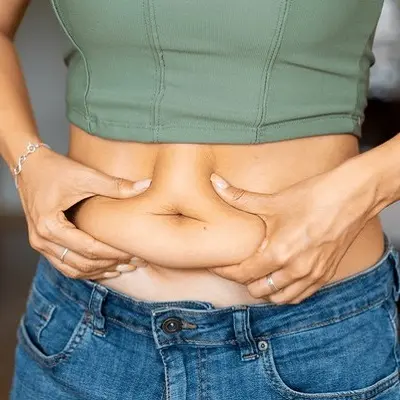
Liposuction Results: How Long Do They Actually Last?
Posted On Apr 27, 2026Liposuction is a cosmetic procedure that removes stubborn fat deposits to reshape and contour the body, improving appearance and boosting confidence.
Liposuction is one of the most widely discussed cosmetic procedures for body contouring and fat reduction. It is often chosen by individuals who want to reshape specific areas of the body that do not respond well to diet and exercise alone. While the procedure is popular, one of the most common questions people ask is: how long do liposuction results actually last?
The answer is not as simple as a fixed number of years. Liposuction results can be long-lasting, and in many cases, permanent—but only under the right conditions. Lifestyle habits, body weight changes, and biological factors all play an important role in maintaining results over time. Understanding how the procedure works and what affects long-term outcomes can help set realistic expectations.
Understanding Liposuction and What It Actually Does
Liposuction is a cosmetic surgical procedure designed to remove stubborn fat deposits from specific areas of the body. Common treatment areas include the abdomen, thighs, hips, arms, back, and chin. The main goal is not weight loss but body contouring.
During the procedure, fat cells are physically removed from targeted areas. Since adults generally do not regenerate fat cells once they are removed, the treated area will have fewer fat cells permanently. However, this does not mean the body can never store fat again in those areas or elsewhere.
It is important to understand that liposuction improves shape and proportion rather than serving as a solution for obesity or overall weight control. The results depend heavily on post-procedure habits.
How Long Do Liposuction Results Last?
In many cases, liposuction results are considered long-term or even permanent. Once fat cells are removed, they do not come back. This means that the treated areas will have a reduced capacity to store fat compared to before.
However, “permanent” does not mean unchangeable. If a person gains significant weight after the procedure, remaining fat cells in the body can expand. This can alter the overall shape and reduce the visible effects of liposuction.
For individuals who maintain a stable weight, follow a healthy lifestyle, and remain active, results can last for many years without noticeable changes. In fact, many people enjoy their improved body contour for decades.
Factors That Affect the Longevity of Liposuction Results
Several important factors influence how long liposuction results remain visible and consistent:
1. Weight Stability
One of the most significant factors is weight fluctuation. If a person maintains a stable weight after liposuction, results tend to last longer. However, significant weight gain can cause fat cells in untreated areas to expand, changing body proportions.
2. Lifestyle Habits
Diet and exercise play a crucial role in maintaining results. A balanced diet and regular physical activity help prevent fat accumulation in other areas of the body.
3. Age and Metabolism
As people age, metabolism naturally slows down. This can make weight management more challenging over time, which may indirectly affect liposuction results.
4. Genetics
Genetics influence how and where the body stores fat. Even after liposuction, genetic predisposition can impact how the body responds to weight changes.
5. Hormonal Changes
Hormonal shifts, such as those related to pregnancy, menopause, or medical conditions, can also affect fat distribution and body shape after liposuction.
What Happens to Fat Cells After Liposuction?
Liposuction works by permanently removing fat cells from targeted areas. Once these cells are removed, they do not regenerate. This is why treated areas typically maintain a slimmer appearance over time.
However, the body still contains fat cells in other regions. If a person gains weight, these remaining fat cells can expand. This may lead to fat accumulation in untreated areas, sometimes creating uneven body proportions.
For this reason, while liposuction permanently removes fat cells from specific areas, it does not prevent future weight gain overall.
Can Fat Come Back After Liposuction?
Fat does not “come back” in the same way in treated areas because the removed fat cells are gone permanently. However, weight gain after liposuction can still affect body shape.
If someone gains a significant amount of weight, the remaining fat cells in both treated and untreated areas can expand. This may create the appearance that fat has returned, even though it is actually new fat storage in existing cells.
In some cases, fat may accumulate in different areas of the body than before, which can alter overall body balance.
How to Maintain Long-Lasting Results
Maintaining liposuction results requires commitment to a healthy lifestyle. While the procedure helps reshape the body, long-term success depends on ongoing habits.
Healthy Eating Habits
A balanced diet rich in whole foods, lean proteins, fruits, vegetables, and healthy fats helps prevent weight gain. Avoiding excessive processed foods and sugary drinks can also make a significant difference.
Regular Exercise
Physical activity helps maintain body weight and muscle tone. A combination of cardio and strength training is often recommended to support long-term results.
Hydration and Sleep
Proper hydration supports metabolism, while adequate sleep helps regulate hormones that influence appetite and fat storage.
Weight Monitoring
Regularly monitoring weight can help detect small changes early, making it easier to adjust habits before significant weight gain occurs.
Long-Term Commitment
Liposuction is not a one-time solution for body management. It works best when combined with consistent, healthy lifestyle choices.
Common Misconceptions About Liposuction Results
There are several misunderstandings about how liposuction works and how long results last:
One common myth is that liposuction is a weight-loss solution. In reality, it is a body contouring procedure, not a treatment for obesity.
Another misconception is that fat will never return anywhere on the body. While fat cells removed during liposuction are gone permanently, other fat cells can still expand if weight is gained.
Some people also believe that results require no effort to maintain. However, lifestyle choices play a major role in how long the improvements remain visible.
Understanding these misconceptions helps set realistic expectations and leads to greater satisfaction with the outcome.
FAQs
1. How long do liposuction results usually last?
Liposuction results can last many years or even a lifetime if the individual maintains a stable weight and healthy lifestyle. The fat cells removed during the procedure do not grow back.
2. Can weight gain reverse liposuction results?
Weight gain does not reverse liposuction, but it can affect overall body shape. Remaining fat cells can expand, which may change the contour of the body.
3. Is fat permanently removed after liposuction?
Yes, the fat cells removed during liposuction are permanently eliminated. However, other fat cells in the body can still grow if weight increases.
4. What is the best way to maintain liposuction results?
Maintaining a balanced diet, exercising regularly, staying hydrated, and managing weight are key factors in preserving results long-term.
5. Does aging affect liposuction results?
Yes, aging can influence metabolism and skin elasticity, which may gradually affect body shape over time even after liposuction.
6. Can liposuction results look different over time?
Yes, changes in weight, hormones, and lifestyle can impact how the body looks after the procedure, even though the fat cells removed do not return.
Read More About Liposuction: https://www.citymapia.com/muscat/enfield-royal-clinic-oman/blog/10-things-to-know-before-a-25130




;)