Enfield Royal Clinic Oman

 Home
Home  About Enfield Royal Clinic Oman
  Treatments
  Make An Enquiry






Pain Level After Gynecomastia Surgery: Honest Breakdown
Posted On May 15, 2026Gynecomastia surgery removes excess male breast tissue to create a flatter, firmer chest, improving confidence and body contour with safe surgical methods.
Gynecomastia is a condition that affects many men and can lead to both physical discomfort and emotional stress. For those who do not respond to lifestyle changes or medication, surgical correction becomes a reliable option. One of the most common concerns people have before undergoing Gynecomastia Surgery is about pain—how intense it feels, how long it lasts, and what recovery is really like.
The truth is, pain after Gynecomastia Surgery is usually manageable and temporary, but it does follow a predictable pattern. Understanding what to expect at each stage helps patients feel more prepared and less anxious during recovery.
Understanding Pain After Gynecomastia Surgery
Pain after gynecomastia surgery is typically described as mild to moderate rather than severe. Most patients report that the sensation feels more like tightness, pressure, and soreness rather than sharp or unbearable pain.
During the procedure, anesthesia ensures there is no pain at all. Once the surgery is over and the anesthesia wears off, discomfort gradually begins. This is a natural part of the healing process as the body responds to tissue removal, minor internal trauma, and swelling.
Pain perception varies from person to person, but modern surgical techniques have significantly reduced post-operative discomfort compared to older methods.
First 24 to 72 Hours: The Peak of Discomfort
The first three days after surgery are usually the most uncomfortable phase. During this time, swelling and inflammation begin to develop, and the chest area may feel tight, tender, and slightly bruised.
Patients commonly describe this stage as:
- A firm pressure around the chest
- Soreness when moving the upper body
- Mild to moderate aching sensations
- Sensitivity when touching the area
Pain is usually well controlled with prescribed medication, and most patients are able to rest comfortably at home. Movement is limited during this period, especially activities involving lifting the arms or stretching the chest muscles.
Despite the discomfort, the pain is typically manageable and gradually improves even within the first few days.
First Week of Recovery: Gradual Improvement
By the end of the first week, pain levels usually decrease noticeably. Swelling may still be present, but the sharpest discomfort has generally subsided.
During this phase, patients may still experience:
- Mild soreness when changing positions
- Occasional pulling or tight sensations
- Bruising around the chest area
- Stiffness in the upper body
Most individuals are able to return to light daily activities within a week, depending on how their body heals. However, strenuous movements, exercise, or heavy lifting are still avoided.
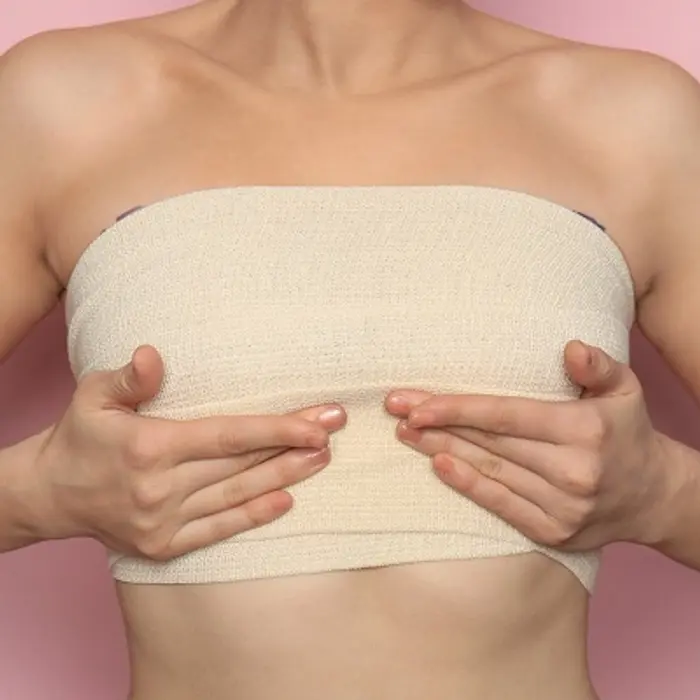
Compression garments are often worn during this stage, and while they may feel snug, they actually help reduce pain by stabilizing the chest and minimizing swelling.
Weeks 2 to 3: Noticeable Reduction in Pain
The second and third weeks after gynecomastia surgery are usually much more comfortable. At this point, pain is generally minimal and often described as occasional discomfort rather than actual pain.
Common sensations include:
- Mild tightness during stretching
- Slight tenderness when pressing the chest
- Intermittent sensitivity in healing areas
Most patients feel significantly more mobile and confident during this period. Light activities and non-strenuous work can often be resumed, depending on individual healing progress.
Although external healing is improving, internal tissues are still recovering, so caution is still necessary. Overexertion can temporarily increase discomfort, but it is usually short-lived.
One Month and Beyond: Near Complete Comfort
After about four weeks, most patients experience little to no pain. At this stage, the chest feels more natural, and swelling continues to reduce gradually.
Residual sensations may include:
- Occasional mild sensitivity
- Slight firmness as tissues continue healing
- Temporary numbness or tingling in some cases
These symptoms are normal and typically resolve over time. By this stage, most individuals return to normal exercise routines with medical clearance.
The psychological benefit also becomes noticeable, as chest shape improves and confidence increases significantly.
Factors That Influence Pain Levels
Not everyone experiences gynecomastia surgery recovery in the same way. Several factors influence how much pain a person may feel, including:
1. Surgical Technique Used
Different techniques, such as liposuction or gland excision, may affect the level of post-operative discomfort. Combined procedures may result in slightly more soreness due to increased tissue manipulation.
2. Individual Pain Tolerance
Pain perception is subjective. Some individuals naturally tolerate discomfort better than others, which can affect their recovery experience.
3. Extent of Tissue Removal
More extensive gynecomastia cases may require deeper correction, which can lead to slightly more post-surgical soreness.
4. Aftercare Compliance
Following post-operative instructions, including wearing compression garments and avoiding strenuous activity, plays a major role in minimizing pain and complications.
5. Body Healing Response
Every body heals differently. Age, general health, hydration, and lifestyle habits can influence recovery speed and comfort levels.
Pain Management and Recovery Comfort Tips
Managing discomfort after gynecomastia surgery is usually straightforward when proper care is followed. Most patients find that pain reduces quickly with consistent aftercare and rest.
Helpful recovery strategies include:
- Taking prescribed medication on schedule rather than waiting for pain to increase
- Wearing compression garments as advised to reduce swelling and support healing
- Sleeping in an elevated position to minimize chest pressure
- Avoiding sudden upper body movements during the early healing phase
- Staying hydrated and maintaining a balanced diet to support tissue repair
- Walking gently to improve circulation without straining the chest
Cold compresses may sometimes be recommended in the early days, but only if approved by the medical team, as improper use can affect healing.
Emotional Experience During Recovery
While physical pain is usually manageable, emotional recovery is also an important part of the process. Many patients feel relief and improved self-esteem as they notice changes in chest appearance.
However, it is also normal to experience temporary anxiety during early recovery due to swelling, tightness, or uneven appearance. These effects are typically temporary and improve as healing progresses.
Understanding that recovery is gradual helps set realistic expectations and reduces unnecessary worry.
When Pain Should Be Evaluated
Although discomfort is expected, certain symptoms should not be ignored. Medical evaluation may be necessary if pain becomes unusually intense or is accompanied by other concerning signs such as severe swelling, fever, or sudden changes in the chest area.
Most patients, however, experience a smooth recovery without complications when following proper care guidelines.
Frequently Asked Questions (FAQs)
1. How painful is gynecomastia surgery overall?
Pain is usually mild to moderate and most commonly described as tightness or soreness rather than sharp pain. It is most noticeable in the first few days and then gradually improves.
2. What is the most painful day after gynecomastia surgery?
The first 48 to 72 hours are generally the most uncomfortable period due to swelling and inflammation. After that, pain steadily decreases.
3. Can pain be controlled without strong medication?
In most cases, prescribed mild pain relief is sufficient. Many patients find they need less medication after the first few days.
4. How long does soreness last after surgery?
Soreness typically lasts one to two weeks, with significant improvement after the first week. Mild sensitivity may continue for a few weeks longer.
5. Does moving or walking increase pain after surgery?
Light walking is usually encouraged and does not significantly increase pain. However, upper body movements should be limited during early recovery.
6. When can normal activities be resumed without discomfort?
Most normal daily activities can be resumed within one to two weeks, while full physical activity usually resumes after medical clearance around four to six weeks.
Final Thoughts
Pain after gynecomastia surgery is generally temporary, predictable, and manageable. While the first few days may involve noticeable discomfort, the healing process is steady, and most patients experience rapid improvement within the first week.
With proper care, realistic expectations, and patience, recovery becomes a smooth journey toward a more confident and comfortable physical appearance.
Read More About Gynecomastia Surgery: https://www.citymapia.com/muscat/enfield-royal-clinic-oman/blog/does-peptides-therapy-for-25827




;)