Enfield Royal Clinic Oman

 Home
Home  About Enfield Royal Clinic Oman
  Treatments
  Make An Enquiry





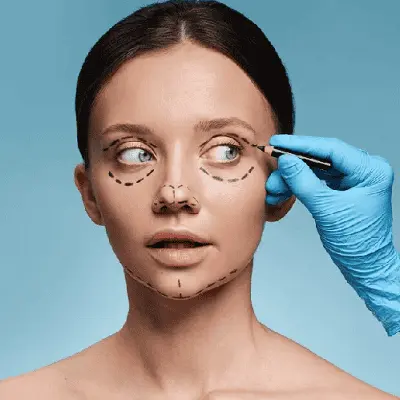
Plastic Surgery vs. Cosmetic Enhancements: Key Differences
Posted On Feb 3, 2026Learn about plastic surgery procedures, benefits, risks, and recovery from board-certified experts. Make informed, confident aesthetic decisions.
In recent years, the world of aesthetic treatments has expanded rapidly, offering a range of options for individuals seeking to improve their appearance. For those exploring their options, understanding the difference between Plastic Surgery in Oman and cosmetic enhancements is essential. While the terms are often used interchangeably, they represent distinct approaches with different procedures, goals, and outcomes. This guide will help readers make informed decisions while highlighting what to expect from each option.
Understanding Plastic Surgery
Plastic surgery is a medical specialty focused on the reconstruction, restoration, or alteration of the human body. While many associate it with beauty, plastic surgery often addresses both functional and aesthetic concerns. There are two main categories: reconstructive and cosmetic surgery.
Reconstructive plastic surgery aims to correct physical abnormalities caused by injury, birth defects, or medical conditions. Examples include repairing cleft lips, reconstructing breasts after mastectomy, or correcting traumatic injuries.
Cosmetic plastic surgery, on the other hand, is primarily concerned with enhancing appearance. Procedures such as rhinoplasty (nose reshaping), breast augmentation, and liposuction fall under this category. These surgeries require anesthesia, incisions, and significant recovery time, and they are performed by trained and certified plastic surgeons.
What Are Cosmetic Enhancements?
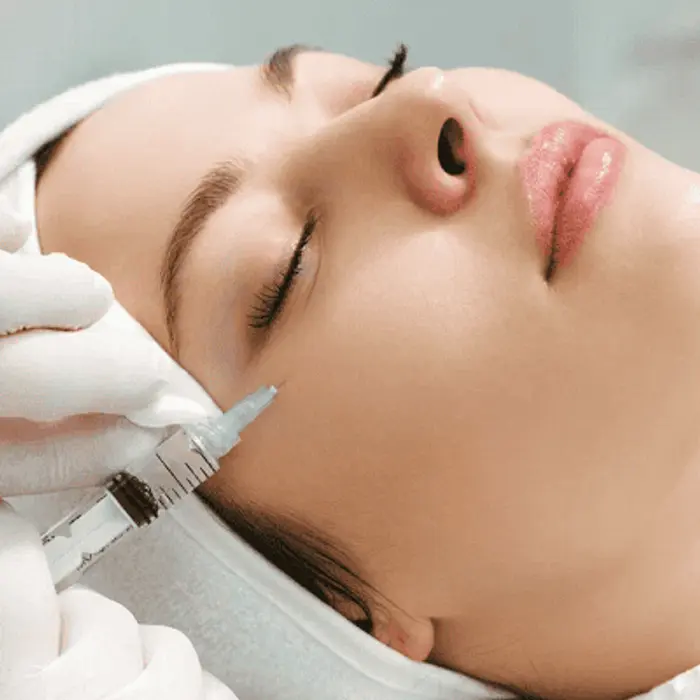
Cosmetic enhancements refer to non-surgical procedures that improve appearance without the invasiveness of traditional surgery. These treatments often involve minimal downtime and can be performed in outpatient settings or specialized clinics.
Common cosmetic enhancements include Botox injections, dermal fillers, chemical peels, laser skin treatments, and microdermabrasion. These procedures primarily focus on smoothing wrinkles, enhancing facial features, and improving skin texture. Unlike plastic surgery, cosmetic enhancements do not involve incisions or anesthesia, making them a more accessible option for those seeking subtle improvements.
Key Differences Between Plastic Surgery and Cosmetic Enhancements
While both plastic surgery and cosmetic enhancements aim to improve appearance, several critical differences distinguish them:
1. Invasiveness
Plastic surgery is invasive, often requiring anesthesia, surgical incisions, and recovery time. Cosmetic enhancements are minimally invasive, typically involving injections or surface-level treatments with little to no downtime.
2. Longevity of Results
Results from plastic surgery tend to be long-lasting or permanent, depending on the procedure. Cosmetic enhancements are temporary and often require repeated sessions to maintain the desired effect.
3. Risk Factors
Surgical procedures carry higher risks, including infection, scarring, and complications from anesthesia. Cosmetic enhancements are generally safer, though side effects like bruising or allergic reactions may occur.
4. Cost
Plastic surgery is typically more expensive due to the complexity of the procedure, surgical team, and facility requirements. Cosmetic enhancements are more affordable and accessible for those seeking gradual or subtle improvements.
5. Goals and Outcomes
Plastic surgery can dramatically change a person’s appearance, correcting significant imperfections or altering structural features. Cosmetic enhancements provide subtle, targeted improvements and are often used to complement surgical results or maintain youthful appearance.
Popular Plastic Surgery Procedures in Oman
Oman has seen a steady rise in the demand for plastic surgery, with residents seeking both reconstructive and cosmetic procedures. Common surgeries include:
Rhinoplasty: Reshaping the nose for aesthetic or functional purposes.
Breast Augmentation or Reduction: Modifying breast size for proportional balance or medical reasons.
Liposuction: Removing stubborn fat deposits to contour the body.
Facelift: Tightening facial skin and reducing signs of aging.
Abdominoplasty: Commonly known as a tummy tuck, improving abdominal appearance.
These procedures require consultation, planning, and careful post-operative care, making it essential to choose a reputable and experienced surgeon.
Popular Cosmetic Enhancements in Oman
Non-surgical cosmetic treatments are also increasingly popular in Oman due to their convenience and effectiveness. Some of the most common enhancements include:
Botox and Fillers: Reducing wrinkles and adding volume to facial features.
Laser Treatments: Improving skin tone, reducing pigmentation, and removing hair.
Chemical Peels: Exfoliating the skin to reveal a smoother, brighter complexion.
Microneedling: Stimulating collagen production for firmer, rejuvenated skin.
Non-Surgical Fat Reduction: Procedures such as cryolipolysis to target localized fat.
These treatments are ideal for individuals seeking subtle changes or preventive anti-aging measures without undergoing surgery.
Choosing Between Plastic Surgery and Cosmetic Enhancements
Deciding between plastic surgery and cosmetic enhancements depends on personal goals, health considerations, and lifestyle preferences. Individuals should evaluate the following:
Desired Outcome: Are you looking for a dramatic transformation or subtle improvements?
Recovery Time: Consider your schedule and ability to manage post-procedure care.
Budget: Understand the cost implications and long-term maintenance required.
Medical History: Certain health conditions may influence the safety of surgical procedures.
Consultation: Speaking with qualified professionals can help determine the most suitable option.
In many cases, a combination of both approaches is beneficial. For instance, someone might undergo a surgical procedure to reshape a feature and use cosmetic enhancements to maintain results over time.
Safety and Considerations
Safety should always be a top priority when exploring aesthetic treatments. Whether pursuing plastic surgery or cosmetic enhancements in Oman, ensure:
Procedures are performed by certified and experienced professionals.
The clinic follows strict hygiene and safety protocols.
Realistic expectations are set for outcomes and recovery.
Post-treatment care instructions are followed diligently.
Being informed and cautious can help minimize risks and ensure satisfactory results.
Frequently Asked Questions (FAQs)
1. Are plastic surgery results permanent?
Most plastic surgery results are long-lasting, though aging and lifestyle factors can influence longevity.
2. How long do cosmetic enhancements last?
Results vary depending on the treatment, but most non-surgical enhancements last between a few months to a year.
3. Can cosmetic enhancements replace plastic surgery?
Cosmetic enhancements are ideal for subtle changes but cannot replace the significant transformations achievable through plastic surgery.
4. Is recovery required for cosmetic enhancements?
Most cosmetic enhancements have minimal to no downtime, allowing patients to return to daily activities quickly.
5. Are both procedures safe in Oman?
Yes, when performed by licensed and experienced professionals, both plastic surgery and cosmetic enhancements are considered safe.
6. How should I choose between the two options?
Consider your goals, budget, recovery time, and consult with a professional to determine the most appropriate approach.
Conclusion
Understanding the difference between plastic surgery and cosmetic enhancements is essential for anyone considering aesthetic treatments in Oman. While plastic surgery offers transformative results for both functional and cosmetic purposes, cosmetic enhancements provide a less invasive, more flexible way to improve appearance. By carefully evaluating goals, risks, and available options, individuals can make informed decisions that align with their needs and lifestyle.
Whether opting for surgery, non-surgical enhancements, or a combination of both, the key is to prioritize safety, consult with experienced professionals, and maintain realistic expectations for the best possible outcome.



;)