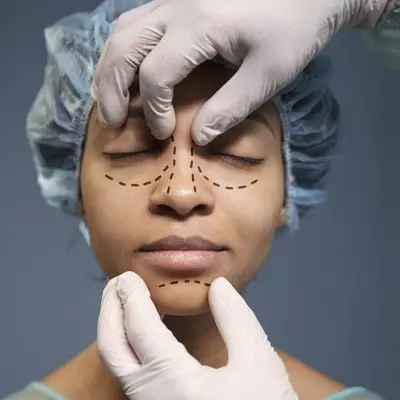
Rhinoplasty surgery is a widely performed cosmetic and functional procedure that reshapes the nose for improved appearance, better facial harmony, or enhanced breathing. While the results can be highly rewarding, the recovery journey is just as important as the surgery itself. One of the most common concerns people have is swelling after rhinoplasty surgery and how long it takes to fully subside.
Swelling is a completely normal part of the healing process, but it often surprises patients because it can make the nose look quite different in the early stages of recovery. Understanding what to expect can make the healing experience much smoother and less stressful, especially for those undergoing Rhinoplasty Surgery in Oman, where patients often seek both aesthetic and functional improvements.
Understanding Rhinoplasty Surgery in Oman
Oman has seen growing interest in cosmetic and reconstructive procedures, including rhinoplasty surgery. People choose this procedure for various reasons, such as refining nasal shape, correcting breathing issues, or restoring facial balance after injury.
Rhinoplasty surgery involves reshaping the bone, cartilage, or both to achieve the desired result. Because the nose is a delicate structure with complex tissue layers, swelling is a natural response after the procedure. It is not a complication but rather part of the body’s healing mechanism.
In the early recovery phase, swelling may make the nose appear larger, uneven, or slightly distorted. However, this is temporary, and the final refined shape gradually becomes more visible as healing progresses.
Why Swelling Happens After Rhinoplasty Surgery
Swelling occurs after rhinoplasty surgery due to the body’s natural response to surgical trauma. Even though the procedure is carefully performed, the tissues of the nose are still manipulated, which triggers inflammation as part of healing.
During surgery, blood vessels and soft tissues are affected, causing fluid to accumulate in the area. This fluid buildup is what creates visible swelling. The body gradually reabsorbs this fluid over time, allowing the nose to settle into its new shape.
Swelling is typically more noticeable in the first few days after rhinoplasty surgery, especially around the nose, cheeks, and under the eyes. This is completely expected and usually begins to improve within the first couple of weeks.
Typical Swelling Timeline After Rhinoplasty Surgery
The duration of swelling after rhinoplasty surgery varies from person to person, but there is a general healing timeline that most patients experience.
First Week: Peak Swelling Phase
During the first week, swelling is at its highest point. The nose may appear larger than expected, and bruising around the eyes is also common. This stage can feel slightly uncomfortable, but it is temporary.
Most visible swelling starts to improve after the first 7 to 10 days, especially once any external splints are removed.
Weeks 2 to 4: Gradual Improvement
In this phase, a significant reduction in swelling becomes noticeable. The nose begins to look more defined, although it is still not fully settled. Minor puffiness, especially at the nasal tip, may persist.
Patients often feel more confident during this stage as facial appearance becomes closer to the expected outcome.
Months 1 to 3: Subtle Swelling Remains
At this point, most of the swelling has gone down, but subtle residual swelling may still exist. The nasal tip is usually the last area to fully refine because it has thicker skin and more complex structure.
Even though the changes are less obvious, the nose continues to improve gradually.
6 Months to 1 Year: Final Refinement
Full healing after rhinoplasty surgery can take up to a year or sometimes slightly longer. During this time, the remaining internal swelling completely resolves, and the final shape becomes fully visible.
By the end of this period, the nose typically reflects the true surgical outcome.
Factors That Affect Swelling Duration
Not everyone experiences swelling in the same way after rhinoplasty surgery. Several factors influence how quickly or slowly it resolves.
Surgical Technique Used
Different surgical approaches can lead to varying levels of swelling. More complex procedures may result in longer recovery times compared to minor adjustments.
Skin Thickness
Individuals with thicker nasal skin may experience longer-lasting swelling because the tissue retains fluid for a longer period.
Healing Response
Each person’s body heals differently. Some individuals naturally recover faster, while others take more time for inflammation to fully settle.
Post-Surgery Care
Proper aftercare plays a significant role in reducing swelling. Following instructions carefully can speed up the healing process.
Lifestyle Factors
Habits such as smoking, poor sleep, or high salt intake can slow down recovery and prolong swelling after rhinoplasty surgery.
How to Reduce Swelling After Rhinoplasty Surgery
Although swelling cannot be completely avoided, there are several ways to help minimize it and support faster recovery.
Keep the Head Elevated
Sleeping with the head elevated helps reduce fluid buildup in the nose and surrounding areas, especially during the first few weeks.
Apply Cold Compress Carefully
Cold compresses can help manage swelling in the early days, but they must be used gently and only as directed to avoid pressure on the nose.
Avoid Strenuous Activities
Physical activities that increase blood pressure can worsen swelling. Resting during the early recovery phase is important.
Maintain a Healthy Diet
Eating balanced meals and reducing salt intake can help control fluid retention in the body.
Follow All Aftercare Instructions
Careful adherence to post-surgery guidelines ensures smoother healing and reduces the risk of prolonged swelling.
When Swelling Becomes a Concern
In most cases, swelling after rhinoplasty surgery is completely normal and improves gradually. However, there are rare situations where medical attention may be needed.
If swelling suddenly increases after initially improving, or if it is accompanied by severe pain, redness, or unusual discharge, it may indicate an issue that needs evaluation.
Persistent swelling beyond the expected healing timeline should also be discussed with a qualified professional to ensure proper recovery.
Conclusion
Swelling after rhinoplasty surgery is a natural and expected part of the healing process. While the initial swelling may look significant, it gradually improves over time, revealing the refined results of the procedure.
For individuals undergoing rhinoplasty surgery in Oman, understanding the recovery timeline can help set realistic expectations and reduce anxiety during healing. Most swelling reduces within a few weeks, but complete refinement of the nasal shape can take up to a year.
Patience, proper care, and awareness of the healing stages all contribute to a smoother recovery and better overall outcome.
FAQs
1. How long does swelling last after rhinoplasty surgery?
Swelling usually improves significantly within 2 to 4 weeks, but minor swelling can take up to a year to fully resolve.
2. Is swelling worse in the first few days after surgery?
Yes, swelling typically peaks within the first week and then gradually decreases.
3. Why does the nose look bigger after rhinoplasty surgery?
This is due to temporary fluid buildup in the tissues, which is a normal part of the healing process.
4. Does everyone experience the same swelling after rhinoplasty surgery?
No, swelling varies depending on skin type, surgical technique, and individual healing response.
5. Can swelling affect the final result of rhinoplasty surgery?
Temporary swelling does not affect the final outcome. The true shape becomes visible once healing is complete.
6. What helps reduce swelling faster after rhinoplasty surgery?
Keeping the head elevated, following aftercare instructions, avoiding salt, and resting properly can all help reduce swelling.
Read More About Rhinoplasty Surgery: https://www.citymapia.com/muscat/enfield-royal-clinic-oman/blog/how-to-choose-the-right-25469


 Home
Home  About Enfield Royal Clinic Oman
  Treatments
  Make An Enquiry








;)