Enfield Royal Clinic Oman

 Home
Home  About Enfield Royal Clinic Oman
  Treatments
  Make An Enquiry





What Is Exosomes Treatment and How Does It Work?
Posted On Apr 28, 2026Discover Exosomes Treatment, a regenerative therapy that supports healing, skin rejuvenation, and cellular repair for improved overall wellness for health.
Exosomes treatment is gaining attention as one of the most exciting advancements in regenerative medicine and aesthetic care. As science continues to explore innovative ways to repair and rejuvenate the body, exosomes have emerged as a powerful tool that supports natural healing at the cellular level. Whether used for skin rejuvenation, hair restoration, or recovery therapies, this treatment is increasingly being discussed by people looking for modern, non-invasive solutions.
This article breaks down what Exosomes Treatment is, how it works, its benefits, potential applications, and what individuals should consider before exploring it.
Understanding Exosomes: The Basics
Exosomes are tiny extracellular vesicles—essentially microscopic messengers—that are naturally released by cells in the body. They play a crucial role in cell-to-cell communication by carrying proteins, lipids, and genetic material (such as RNA) from one cell to another.
These particles are especially important in processes like tissue repair, immune response, and inflammation control. In medical and cosmetic treatments, exosomes are often derived from stem cells due to their regenerative properties.
Unlike stem cells themselves, exosomes do not replicate or form new cells. Instead, they act as signaling agents, telling other cells how to behave—whether that means repairing damage, reducing inflammation, or boosting collagen production.
How Exosomes Treatment Works
Exosomes treatment works by delivering these powerful cellular messengers directly into targeted areas of the body. Once introduced, exosomes begin interacting with nearby cells, essentially “reprogramming” them to function more efficiently.
Here’s a simplified breakdown of how the process works:
- Extraction and Preparation
Exosomes are collected from cultured cells in controlled laboratory environments. They are then purified and prepared for medical or cosmetic use. - Application or Injection
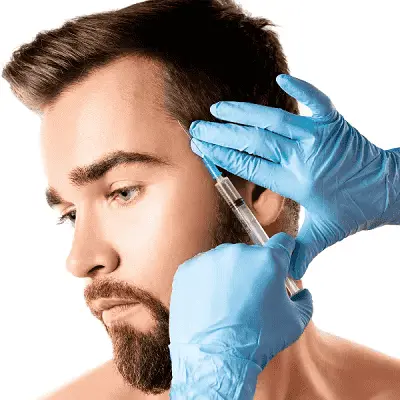
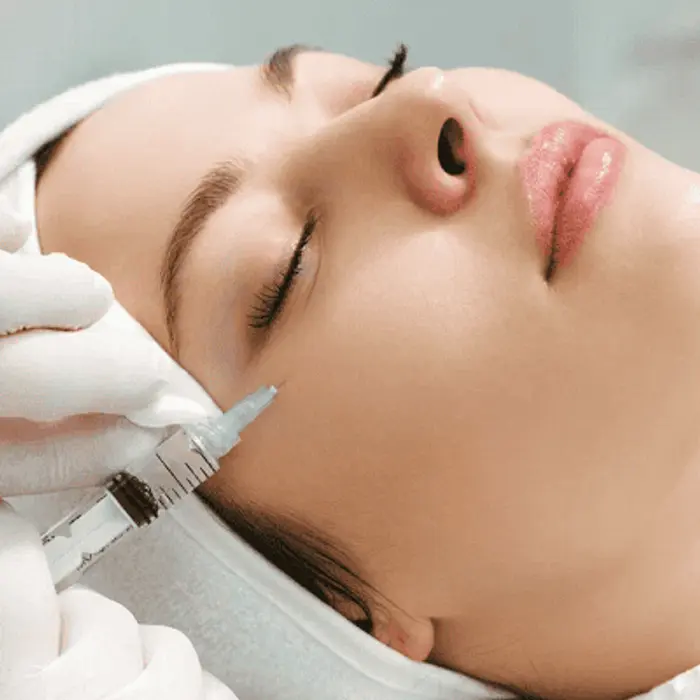
Depending on the purpose, exosomes may be applied topically (often after procedures like microneedling) or injected into specific areas such as the scalp, face, or joints. - Cellular Communication
Once in the body, exosomes fuse with target cells and release their contents. This triggers a cascade of biological responses, including tissue repair and regeneration. - Healing and Regeneration
Over time, treated areas may show improvement as cells respond to the signals, enhancing their natural repair processes.
The key advantage is that exosomes work with the body’s own systems rather than forcing artificial changes.
Key Benefits of Exosomes Treatment
Exosomes treatment is widely appreciated for its versatility and effectiveness. While results may vary depending on the individual and the application, several potential benefits have been observed:
1. Skin Rejuvenation
Exosomes can stimulate collagen and elastin production, leading to smoother, firmer, and more youthful-looking skin. They may also help reduce fine lines, wrinkles, and uneven texture.
2. Hair Restoration
In scalp treatments, exosomes can activate dormant hair follicles, potentially improving hair density and thickness over time.
3. Reduced Inflammation
Exosomes contain anti-inflammatory signals that can help calm irritated or damaged tissues, making them useful in recovery treatments.
4. Faster Healing
Because they enhance cellular repair mechanisms, exosomes may accelerate recovery after cosmetic procedures or minor injuries.
5. Non-Invasive Approach
Compared to surgical treatments, exosome therapy is generally less invasive, with minimal downtime in many cases.
Common Applications of Exosomes Treatment
Exosomes treatment is used across various fields, including aesthetics and regenerative medicine. Some of the most common applications include:
Facial and Skin Treatments
Exosomes are often paired with procedures like microneedling or laser therapy to enhance skin healing and rejuvenation.
Hair Loss Solutions
They are increasingly used in scalp therapies aimed at addressing thinning hair and early-stage hair loss.
Joint and Tissue Support
In regenerative medicine, exosomes are being explored for their potential to support joint health and soft tissue repair.
Post-Procedure Recovery
After treatments such as chemical peels or laser resurfacing, exosomes may help reduce redness and speed up recovery.
What to Expect During the Procedure
Exosomes treatment is typically straightforward and relatively quick, depending on the application.
- Consultation: A professional evaluates the individual’s needs and determines whether the treatment is suitable.
- Preparation: The treatment area is cleaned, and in some cases, numbing cream may be applied.
- Application: Exosomes are either injected or applied topically after a preparatory procedure.
- Aftercare: Patients are usually given simple aftercare instructions, such as avoiding sun exposure or harsh products for a short period.
Most individuals can resume their daily activities soon after the session, though mild redness or sensitivity may occur temporarily.
Are There Any Risks or Considerations?
While exosomes treatment is generally considered safe when performed correctly, there are important factors to keep in mind:
- Limited Long-Term Research: Although early results are promising, long-term studies are still ongoing.
- Quality of Products: The effectiveness depends heavily on how the exosomes are sourced and processed.
- Individual Response: Results can vary based on age, health, and the specific condition being treated.
- Regulatory Differences: Availability and regulation of exosome treatments can differ by region.
It is always important for individuals to thoroughly research and ensure they are making informed decisions.
Who Is a Good Candidate for Exosomes Treatment?
Exosomes treatment may be suitable for individuals who:
- Want to improve skin texture, tone, or elasticity
- Are experiencing early signs of hair thinning
- Are looking for non-surgical rejuvenation options
- Want to support healing after cosmetic procedures
However, it may not be ideal for everyone. Those with certain medical conditions or unrealistic expectations should approach the treatment with caution and proper guidance.
The Future of Exosomes in Medicine
The potential of exosomes extends far beyond cosmetic applications. Researchers are actively exploring their role in treating a wide range of conditions, including chronic inflammation, neurological disorders, and even certain degenerative diseases.
As scientific understanding grows, exosomes could become a cornerstone of personalized medicine, offering targeted therapies that adapt to each individual’s needs.
Their ability to influence cellular behavior without introducing foreign cells makes them a particularly exciting area of study.
Final Thoughts
Exosomes treatment represents a modern approach to healing and rejuvenation, focusing on enhancing the body’s natural processes rather than replacing them. By harnessing the power of cellular communication, it offers a promising option for those seeking advanced yet minimally invasive solutions.
While it is not a miracle cure, its growing popularity reflects increasing confidence in its potential benefits. As with any treatment, understanding how it works and setting realistic expectations are key to making informed decisions.
With ongoing research and advancements, exosomes treatment is likely to play an even bigger role in the future of both aesthetic and regenerative medicine.
Frequently Asked Questions
1. What are exosomes made of?
Exosomes are composed of proteins, lipids, and genetic materials like RNA. These components help them communicate with other cells and influence their behavior.
2. Is exosomes treatment safe?
When properly sourced and administered, it is generally considered safe. However, safety can depend on the quality of the product and the method of application.
3. How long does it take to see results?
Results vary depending on the treatment area and individual response, but many people begin noticing improvements within a few weeks.
4. How long do the effects last?
The duration of results can differ, but effects may last several months. Maintenance sessions are often recommended.
5. Is there any downtime after the treatment?
Most individuals experience minimal downtime, though mild redness or sensitivity may occur temporarily.
6. Can exosomes treatment replace other procedures?
It depends on the goal. While it can enhance or complement other treatments, it may not completely replace more intensive procedures in all cases.
Read More About Exosomes Treatment: https://www.citymapia.com/muscat/enfield-royal-clinic-oman/blog/liposuction-in-arms-vs-25154






;)