How ISCOPE Publications Helps You Publish in Scopus Conference Proceedings in India?

 Home
Home  About How ISCOPE Publications Helps You Publish in Scopus Conference Proceedings in India?
  Make An Enquiry


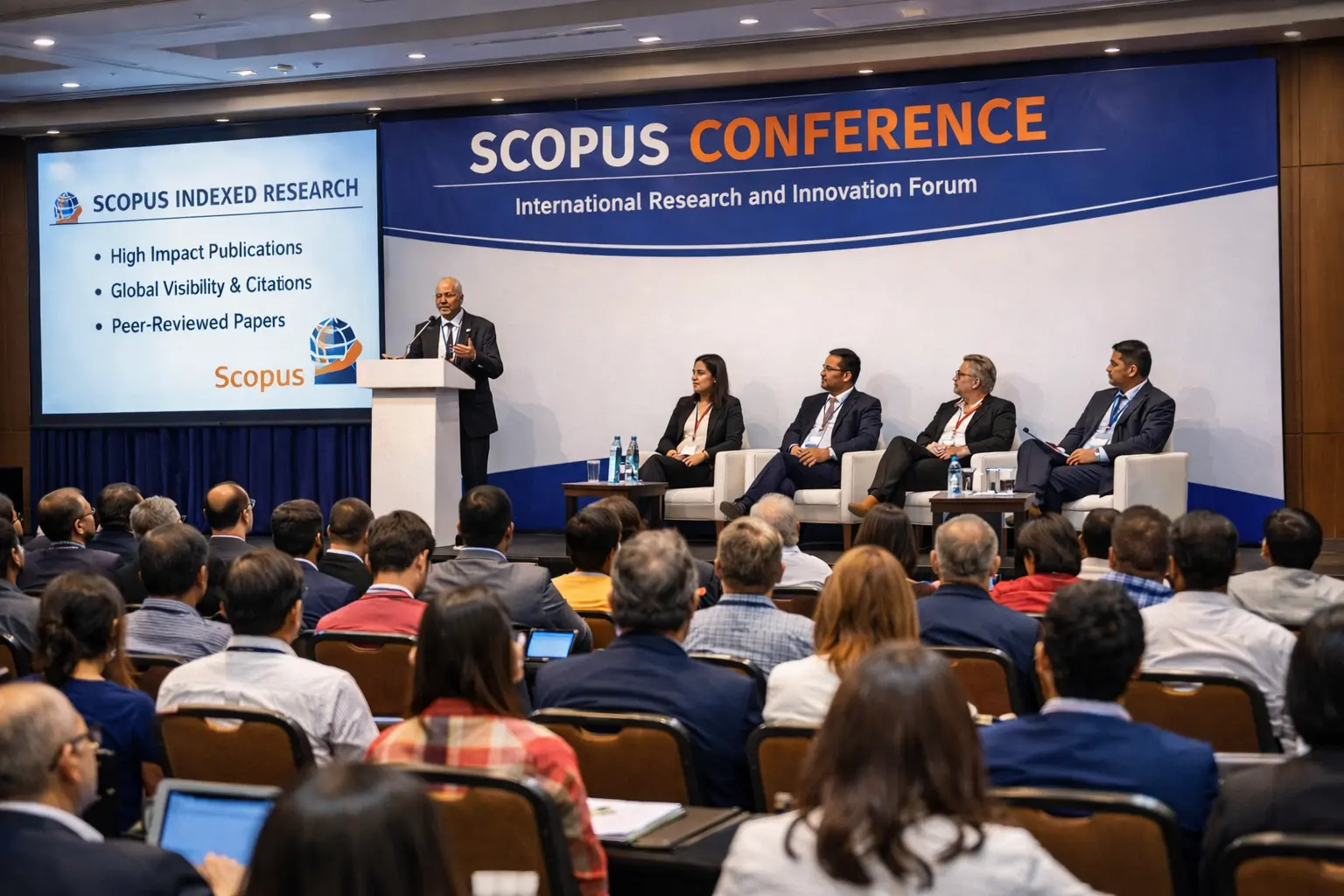
How ISCOPE Publications Helps You Publish in Scopus Conference Proceedings in India?
Posted On Feb 23, 2026Publishing in Scopus conference proceedings is a significant milestone for researchers who want global recognition and academic credibility.
Publishing in Scopus Conference Proceedings is a major achievement for researchers aiming to gain global academic recognition and strengthen their research profile. In India’s rapidly growing research environment, having your work indexed in Scopus enhances credibility, improves career prospects, and increases opportunities for funding and collaboration. Process of publishing in Scopus Conference Proceedings can be challenging from selecting the right conference and preparing a high-quality manuscript to meeting formatting guidelines, plagiarism standards, and submission requirements.
Understanding Scopus-Indexed Conference Papers
What is Scopus Indexing?
Scopus is one of the world’s largest abstract and citation databases of peer-reviewed literature, covering journals, books, and conference proceedings across various disciplines. When a conference is included in Scopus indexing, its published papers become part of recognized scopus conference proceedings, meaning they meet specific quality standards related to peer review, editorial policies, and academic contribution. This ensures that the research is globally accessible and properly indexed for citations and academic tracking.
Why Scopus Indexing Matters for Researchers
For researchers, Scopus indexing adds strong academic value. Publications listed in scopus conference proceedings enhance credibility, improve citation opportunities, and strengthen academic profiles. Many universities, funding agencies, and accreditation bodies in India and abroad prioritize Scopus-indexed publications for promotions, Ph.D. submissions, and research assessments. Being indexed also increases global visibility and opens doors to international collaboration.
Difference Between Scopus-Indexed and Non-Indexed Conferences
Main difference lies in quality assurance and recognition. Scopus-indexed conferences follow strict peer-review processes, editorial standards, and ethical guidelines. Papers published in these conferences are included in an internationally recognized database. In contrast, non-indexed conferences may lack rigorous review systems, offer limited visibility, and may not be considered for academic evaluations. Choosing conferences included in scopus conference proceedings ensures higher impact, authenticity, and long-term academic benefits.
Enhances Academic Credibility
Publishing in scopus conference proceedings greatly enhances a researcher’s academic credibility by ensuring that the work meets internationally accepted quality standards. Since Scopus-indexed conferences follow a rigorous peer-review process and strict editorial guidelines, papers published under this category gain strong recognition within global research communities. International visibility not only increases citation potential but also opens doors for academic collaborations and future research opportunities.
Improves Career Opportunities
Publishing in scopus conference proceedings plays a vital role in advancing academic and professional careers. For Ph.D. scholars and postgraduate students, Scopus-indexed publications strengthen thesis submissions, improve academic profiles, and increase eligibility for academic positions. Faculty members benefit from such publications during promotions, performance appraisals, and institutional evaluations, as many universities prioritize Scopus-indexed research output. Papers in recognized scopus conference proceedings provides a competitive advantage when applying for research funding, grants, and sponsored projects, as funding bodies often consider indexed publications as a benchmark of quality.
Global Research Visibility
One of the major benefits of publishing in scopus conference proceedings is enhanced international exposure. Indian researchers gain global visibility as their work becomes accessible to scholars, institutions, and research organizations worldwide. Increased reach improves citation potential and academic impact. Global indexing creates opportunities for cross-border collaborations, joint research initiatives, and participation in international academic networks, helping researchers expand their professional presence beyond national boundaries.
Quality Assurance and Peer Review
Peer review is a cornerstone of academic publishing, and scopus conference proceedings maintain strict review and editorial standards to ensure high-quality research output. Peer-reviewed conference papers undergo detailed evaluation by subject experts, which enhances the reliability and academic value of the research. ISCOPE Publications supports authors by ensuring adherence to quality guidelines, proper documentation, and structured submission processes. The organization also emphasizes ethical publishing practices, including plagiarism checks and compliance with international research standards, to maintain credibility and authenticity.
End-to-End Research Support
Comprehensive support throughout the publication journey significantly increases the chances of acceptance in scopus conference proceedings. ISCOPE Publications offers guidance in manuscript writing, helping researchers structure their papers effectively and meet academic standards. Authors receive assistance in selecting appropriate Scopus-indexed conferences, along with support in formatting, documentation, and submission procedures.
Faster and Structured Publication Process
Organized and transparent publication approach reduces delays and confusion. Publishing in scopus conference proceedings through professional support ensures proper timeline management, clear communication, and systematic documentation. Structured guidance minimizes common submission errors and reduces the risk of selecting predatory or non-indexed conferences. This streamlined process allows researchers to focus on the quality of their work while maintaining confidence in the publication pathway.
Networking and Professional Growth
Participating in Scopus-indexed conferences provides valuable networking opportunities with experts, academicians, and industry professionals. Publishing in scopus conference proceedings allows researchers to engage with emerging research trends, exchange ideas, and receive constructive feedback from global peers. Attendance and participation in reputed conferences contribute to long-term professional growth, stronger academic connections, and enhanced research impact.
Why Choose ISCOPE Publications in India
Choosing the right research support partner is essential for successfully publishing in scopus conference proceedings, and ISCOPE Publications stands out as a trusted option in India. With a team of experienced research experts, the organization provides professional guidance tailored to the specific needs of scholars, faculty members, and research professionals. Expertise spans multiple academic disciplines, ensuring that authors from engineering, management, science, humanities, and other fields receive specialized support.
Publishing in Scopus conference proceedings in India requires the right strategy, proper documentation, and adherence to strict academic standards. From manuscript development to final submission and indexing support, professional guidance can make a significant difference in your success rate.With the expert assistance of ISCOPE Publications, researchers can confidently navigate the entire publication process and increase their chances of acceptance in reputed Scopus-indexed conferences. Choosing the right publication partner not only saves time and effort but also strengthens your academic impact and global visibility.
;)