Dynamic clinic

 Home
Home  About Dynamic clinic
  Make An Enquiry





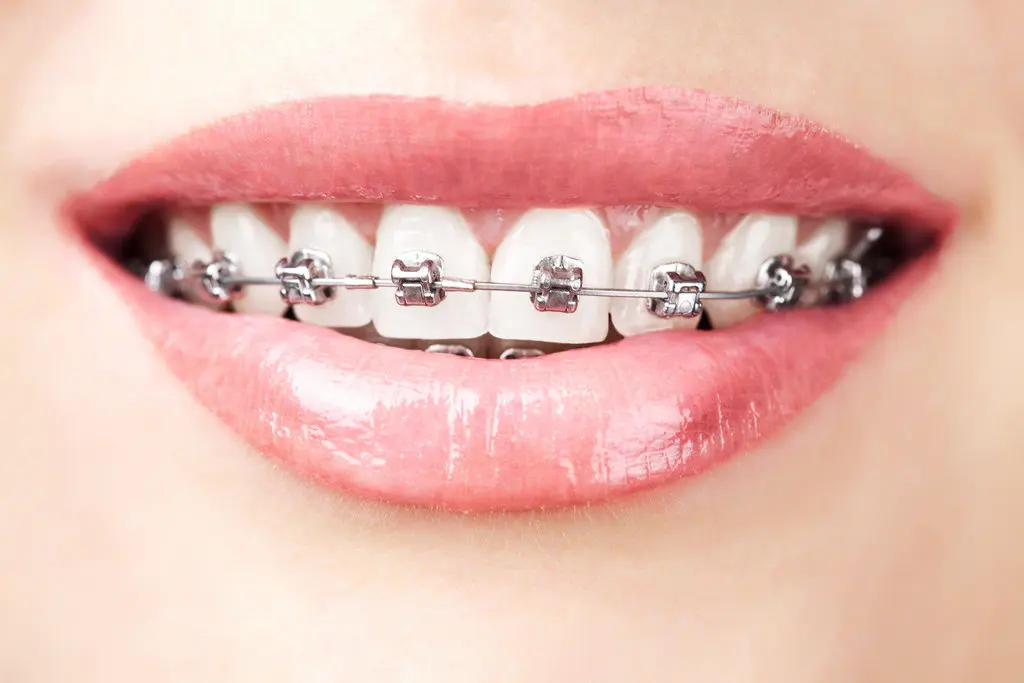
What Age Is Best For Braces Treatment?
Posted On Jul 19, 2026Age plays an important role because teeth, jawbones, and facial structures change throughout life.
A healthy, well-aligned smile can improve both confidence and oral health at any stage of life. If you are considering Braces in Dubai, you may wonder whether there is an ideal age to begin treatment. The truth is that braces can be effective for children, teenagers, and adults, although the treatment approach often depends on the patient's dental development and individual orthodontic needs.
Modern orthodontics offers flexible treatment options that make it possible to correct crooked teeth, bite problems, and spacing issues at different ages. Understanding how age influences treatment can help individuals and parents make informed decisions about achieving a healthier smile.
Why Age Matters in Braces Treatment
Age plays an important role because teeth, jawbones, and facial structures change throughout life. During childhood, the jaw is still developing, making it easier to guide tooth movement and correct bite issues. As people grow older, bones become denser, which may increase treatment time, but braces remain highly effective.
Orthodontists evaluate factors such as:
- Jaw growth and development
- Position of permanent teeth
- Bite alignment
- Oral hygiene habits
- Overall dental health
Rather than focusing only on age, they create personalized treatment plans based on these factors.

The Best Age for Children
Many dental organizations recommend that children receive their first orthodontic evaluation around the age of seven. At this stage, a mix of baby and permanent teeth allows orthodontic specialists to identify potential alignment concerns before they become more complicated.
Early evaluations can help detect:
- Crowded teeth
- Crossbites
- Overbites
- Underbites
- Jaw growth problems
Not every child will need braces immediately. In many cases, early monitoring allows treatment to begin at the most suitable time while preventing more significant orthodontic issues later.
Why Teenagers Often Start Braces
The teenage years are widely considered one of the most common periods for braces because most permanent teeth have erupted while the jaw is still developing. This combination allows efficient tooth movement and predictable results.
Teenagers also benefit from greater awareness of oral hygiene and are usually motivated to improve their smiles. During this stage, braces can address both cosmetic concerns and functional issues, including chewing difficulties and uneven tooth wear.
Many teens complete treatment before reaching adulthood, allowing them to enjoy long-term improvements in dental health and confidence.
Adults Can Benefit Too
Contrary to common belief, braces are not only for younger people. Every year, more adults choose orthodontic care to improve their smiles and oral function. Thanks to modern techniques, treatment has become more comfortable and discreet than ever before.
Many adults begin orthodontic care after learning about treatment options through Dynamic Life Clinic, where they explore solutions for correcting alignment issues that may have been present since childhood or developed over time.
Adults often seek braces to fix crowded teeth, close gaps, improve bite alignment, or prepare for other dental procedures. Although treatment may take slightly longer than it does for teenagers, successful results are still achievable with consistent care.
Factors That Determine the Right Time
Several factors are more important than age alone when deciding the ideal time for braces.
Dental Development
Permanent teeth should be present in the areas requiring correction. This allows braces to move teeth into stable positions.
Jaw Growth
Children and teenagers still experience jaw growth, making some orthodontic corrections easier to perform.
Oral Health
Healthy gums and teeth provide the strongest foundation for orthodontic treatment. Existing cavities or gum disease should be addressed before braces are placed.
Personal Commitment
Successful orthodontic treatment requires consistent oral hygiene, regular appointments, and following dietary recommendations throughout the treatment period.
Benefits of Starting Braces at the Right Time
Choosing the appropriate time for orthodontic care offers several advantages.
- Improves bite alignment
- Creates straighter teeth
- Reduces tooth crowding
- Makes brushing and flossing easier
- Lowers the risk of uneven tooth wear
- Supports healthier gums
- Enhances facial appearance
- Boosts confidence when smiling
These benefits contribute to both immediate improvements and long-term oral health.
Signs That Someone May Need Braces
Age alone should never determine whether braces are necessary. Instead, watch for signs that indicate orthodontic treatment may be helpful.
Some common signs include:
- Crooked or overlapping teeth
- Noticeable gaps between teeth
- Difficulty chewing food
- Frequent biting of the cheeks
- Jaw discomfort
- Teeth that do not meet properly when biting
- Speech difficulties caused by tooth alignment
A professional orthodontic evaluation can determine the most suitable treatment plan based on these concerns.
What to Expect During Treatment
Braces work by applying gentle, continuous pressure that gradually shifts teeth into their proper positions. Regular adjustment appointments help ensure steady progress while allowing orthodontists to monitor tooth movement.
Throughout treatment, patients are encouraged to:
- Brush thoroughly after meals.
- Floss carefully around brackets and wires.
- Attend scheduled adjustment visits.
- Avoid hard or sticky foods that may damage braces.
- Wear additional appliances if recommended.
Maintaining excellent oral hygiene helps reduce the risk of plaque buildup and supports healthy gums during treatment.
Does Waiting Too Long Cause Problems?
Delaying orthodontic care does not necessarily prevent successful treatment, but certain issues may become more complex over time. Severe crowding, bite problems, or jaw misalignment can worsen if left untreated for many years.
However, adults of nearly any age can still experience meaningful improvements through orthodontic care. Modern braces are designed to move teeth safely regardless of age, provided the teeth and supporting structures remain healthy.
Beginning treatment earlier may reduce the need for more complex corrections later, but successful outcomes are possible for both younger and older patients with proper planning and consistent care.
Conclusion
There is no single perfect age for braces because every smile develops differently. While childhood and adolescence often provide ideal opportunities due to ongoing jaw growth, adults can also achieve outstanding results with today's advanced orthodontic techniques. The best time to begin depends on individual dental development, oral health, and treatment goals rather than age alone. Seeking an orthodontic evaluation at the appropriate stage allows concerns to be addressed before they become more complicated, while creating a healthier, more confident smile through Braces treatment.


;)