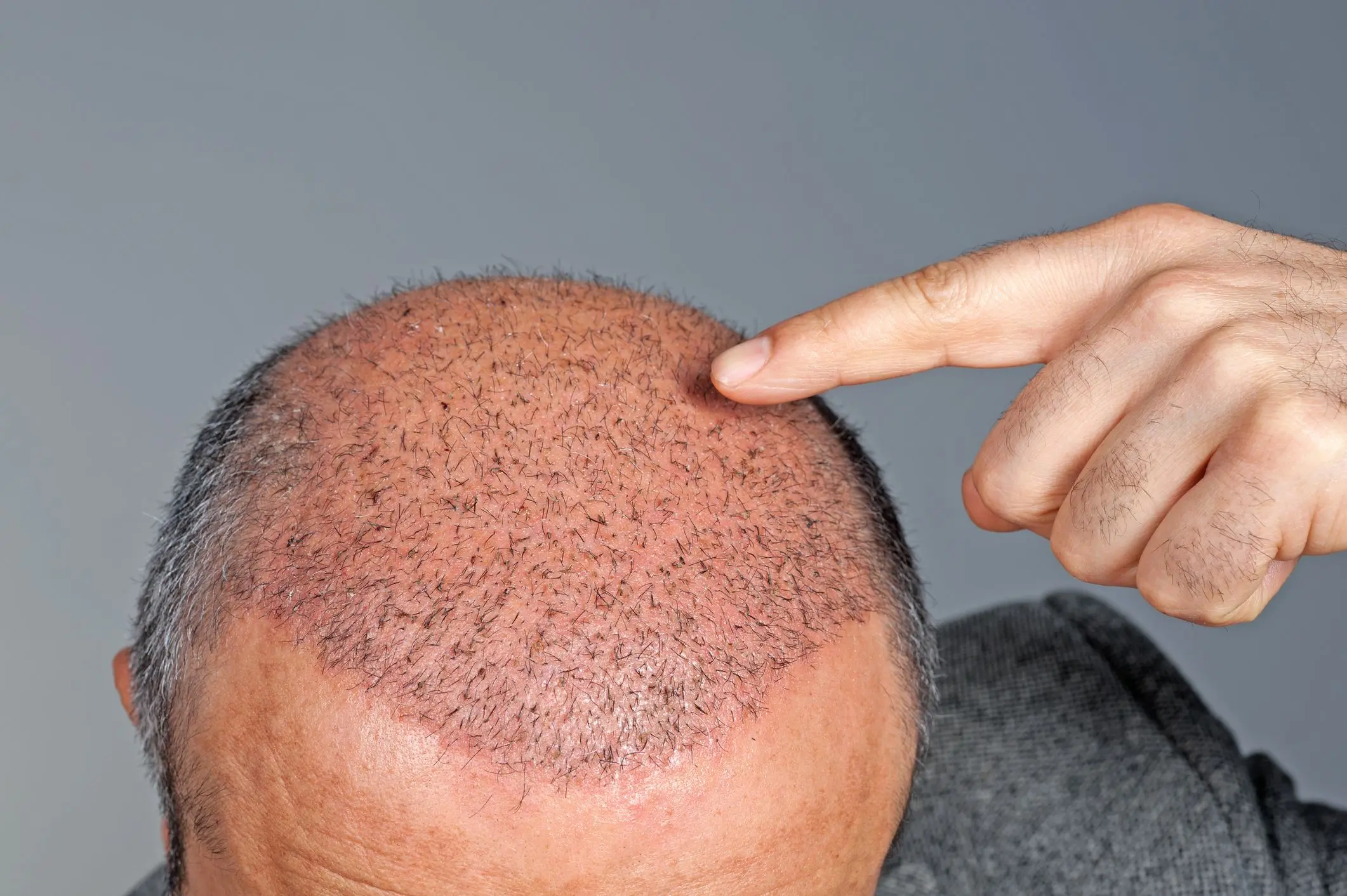
Hair loss is a common concern among men, often caused by genetics, hormonal changes, aging, or lifestyle factors. It can affect confidence, appearance, and overall self-image. In modern aesthetic medicine, Hair Transplant in Dubai is often associated with restoring natural hair growth by relocating healthy hair follicles from one area of the scalp to thinning or balding regions, helping achieve fuller and more permanent hair coverage.
What Hair Loss Means in Men
Male hair loss, also known as male pattern baldness, usually begins with a receding hairline or thinning at the crown. Over time, these areas may expand, leading to visible bald patches. This occurs when hair follicles become sensitive to hormones, gradually shrinking and producing thinner, weaker hair until growth eventually stops in affected areas.
How Hair Transplant Works
Hair transplant is commonly linked with a surgical technique that moves healthy hair follicles from a donor area, usually the back or sides of the scalp, to areas experiencing thinning or baldness. These transplanted follicles retain their natural growth properties, allowing them to continue producing hair in their new location.
What Makes Hair Transplant Restore Natural Hair Growth
Hair transplant restores natural hair growth because it uses the patient’s own healthy follicles, which are genetically resistant to hair loss. Once these follicles are relocated, they continue their normal growth cycle in the new area, producing hair that looks and behaves like natural hair.
Key Ways Hair Transplant Restores Hair Growth
Hair transplant supports natural hair restoration through several mechanisms.
- Relocating healthy hair follicles to bald areas
- Maintaining natural growth cycles of transplanted follicles
- Using permanent donor hair resistant to hair loss
- Rebuilding hair density in thinning regions
- Creating natural-looking hairline design
These combined factors help restore a fuller hair appearance.
Role of Donor Hair in Natural Growth
Donor hair plays a critical role in hair transplant success. The hair taken from the back or sides of the scalp is typically resistant to hormonal hair loss. Because of this genetic stability, transplanted follicles continue growing naturally even after being moved to new areas of the scalp.
Importance of Hair Follicle Survival
For natural hair growth to be restored, transplanted follicles must survive the relocation process. Once successfully placed in the recipient area, these follicles establish a new blood supply and continue producing hair, ensuring long-term growth and stability.
Key Areas Treated with Hair Transplant
Hair transplant procedures are commonly used to restore hair in specific areas.
- Receding hairline at the front
- Thinning crown or vertex area
- Patchy bald spots on the scalp
- Overall reduced hair density
- Temple area hair loss
These areas benefit most from follicle restoration.
Why Transplanted Hair Looks Natural
Transplanted hair looks natural because it is real hair taken from the patient’s own scalp. It maintains the same texture, color, and growth pattern as surrounding hair, allowing it to blend seamlessly with existing hair after the healing process.
Role of Hair Growth Cycle
Hair grows in cycles consisting of growth, rest, and shedding phases. Transplanted follicles continue this natural cycle even after relocation. Once they adapt to the new area, they begin growing hair in the same way as they did in the donor site.
Key Visible Improvements After Hair Transplant
When natural hair growth is restored, several noticeable improvements occur.
- Increased hair density in thinning areas
- Fuller and more balanced hairline
- Reduced visible bald patches
- Improved scalp coverage
- Natural-looking hair growth direction
These changes contribute to a more youthful appearance.
Importance of Hairline Design
A natural-looking hair transplant depends heavily on proper hairline design. The hairline is carefully planned to match facial structure and natural hair growth patterns, ensuring that the restored hair blends seamlessly and does not appear artificial.
Gradual Hair Growth Process
Hair transplant results are not immediate. After the procedure, transplanted hair typically sheds before entering a new growth phase. Over time, new hair begins to grow from the transplanted follicles, gradually improving density and coverage.
Why Permanent Results Are Possible
Hair transplant provides long-lasting results because donor follicles are genetically resistant to hair loss. Once transplanted, these follicles retain their characteristics, making the restored hair more permanent compared to other temporary hair restoration methods.
Key Benefits of Natural Hair Restoration
When hair transplant successfully restores hair growth, several benefits can be observed.
- Permanent improvement in hair density
- Natural hair texture and appearance
- Restored youthful hairline
- Improved scalp coverage
- Enhanced overall facial aesthetics
These benefits contribute to long-term satisfaction.
Role of Scalp Adaptation
After transplantation, follicles need time to adapt to their new environment. During this period, blood supply develops around the grafts, allowing them to receive nutrients and grow naturally. This adaptation is essential for successful and lasting hair growth.
Visual Transformation Over Time
As transplanted hair grows, noticeable changes occur gradually.
- Early shedding followed by regrowth
- Increasing hair density over months
- Improved coverage in bald areas
- More natural hairline formation
- Fuller overall scalp appearance
These changes reflect progressive hair restoration.
Confidence and Personal Appearance
Restoring natural hair growth often has a strong impact on confidence and self-image. Fuller hair can significantly improve how men feel about their appearance in social and professional settings.
- Boosts confidence in appearance
- Enhances youthful look
- Improves facial balance
- Reduces concern about baldness
- Supports positive self-esteem
FAQ’s:
What makes hair transplant restore natural hair growth?
It is often associated with relocating healthy, permanent follicles that continue growing naturally.
Is the hair permanent after transplant?
Yes, transplanted follicles are generally long-lasting.
Does transplanted hair look natural?
Yes, because it is the patient’s own hair.
When do results become visible?
Visible growth develops gradually over several months.
Does hair continue to grow normally?
Yes, transplanted hair follows a natural growth cycle.
Conclusion
Hair transplant is widely recognized for restoring natural hair growth in men by relocating healthy, genetically resistant follicles to thinning or bald areas. While results develop gradually, the transplanted hair continues to grow naturally and permanently in most cases. In modern aesthetic care, it is valued for delivering a fuller, natural-looking, and long-lasting hair restoration solution that enhances appearance, confidence, and overall self-image.


 Home
Home  About Dynamic Life Clinics
  Make An Enquiry








;)