map icon mao preview icon

mail icon [email protected]

dubai

Copyright © 2026 Citymapia.com. All Rights Reserved

How Does Laser Tattoo Removal Treat Deep Ink Layers?

How Does Laser Tattoo Removal Treat Deep Ink Layers?

Posted On May 21, 2026

Laser Tattoo Removal in Dubai at Dynamic Life Clinics helps remove old unwanted tattoos and improve overall skin appearance effectively.

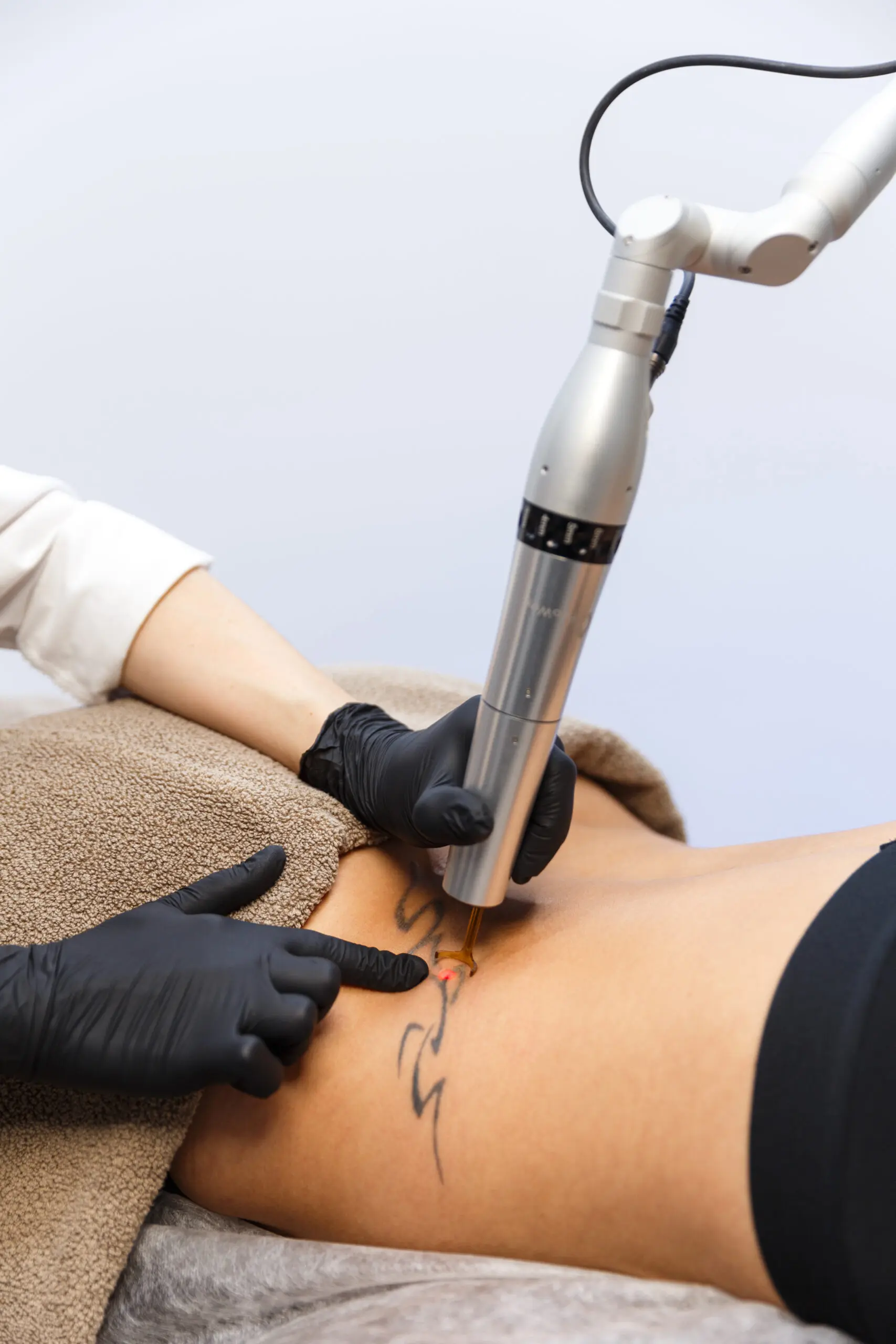
Tattoos are created by depositing ink into multiple layers of the skin, which is why removing them requires more than surface-level treatment. In modern aesthetic procedures, Laser Tattoo Removal in Dubai is widely recognized for its ability to target both superficial and deeper ink layers by breaking pigment particles into smaller fragments that the body can gradually eliminate over time.

Understanding How Tattoo Ink Sits in the Skin

Tattoo ink is placed within the dermis, the deeper layer of the skin beneath the epidermis. Unlike surface stains, this ink becomes trapped within skin cells and connective tissue, making it long-lasting and resistant to natural fading.

Why Deep Ink Is Hard to Remove

Deep ink layers are more difficult to treat because the pigment particles are embedded below the skin’s surface. These particles are often dense, layered, and surrounded by tissue, which makes them less accessible to simple skin treatments or exfoliation methods.

How Laser Tattoo Removal Targets Deep Layers

Laser tattoo removal uses high-intensity light pulses that penetrate the skin and are absorbed by tattoo pigment. The energy breaks the ink into smaller fragments without damaging surrounding skin structures, allowing the body’s immune system to gradually clear them.

Key Ways It Treats Deep Ink Layers

  • Penetrates deeper skin layers to reach embedded pigment
  • Breaks ink particles into smaller fragments
  • Targets different ink colors at varying depths
  • Stimulates natural immune clearance process
  • Gradually fades dense tattoo layers over sessions

Role of Laser Energy in Ink Breakdown

The laser emits short bursts of energy that are absorbed by the ink particles. This sudden energy causes the pigment to shatter into smaller pieces, making it easier for the body’s lymphatic system to process and remove them.

Importance of Wavelength Selection

Different wavelengths are used to target different ink colors and depths. Darker inks like black and blue respond more easily, while lighter colors may require specific wavelengths for effective breakdown of deeper pigment layers.

How the Body Removes Broken Ink

Once the laser breaks the ink into smaller particles, the body’s immune system gradually removes them through natural detoxification processes. This is why tattoo fading continues even after each session.

Key Factors in Treating Deep Ink

  • Depth of ink placement in the skin
  • Type and color of tattoo pigment
  • Age of the tattoo
  • Skin type and healing response
  • Consistency of treatment sessions

Why Multiple Sessions Are Required

Deep ink layers cannot be removed in a single session because only a portion of pigment can be safely targeted at a time. Multiple sessions ensure gradual fading while allowing the skin to heal between treatments.

How Deep Tattoos Fade Over Time

With each session, deeper ink layers are progressively broken down. Over time, tattoos become lighter, less defined, and more fragmented until significant fading is achieved.

Importance of Skin Healing Between Sessions

Healing time is essential because the body needs time to clear broken pigment particles and repair treated skin areas. Proper spacing between sessions improves overall results and safety.

Areas Where Deep Ink Is Common

Some body areas may contain deeper or denser tattoos depending on design and application.

  • Arms for large designs
  • Back for detailed artwork
  • Chest for dense shading
  • Legs for long-term tattoos
  • Shoulders for layered ink patterns

Factors That Influence Results

  • Ink depth and density
  • Tattoo age and quality
  • Color complexity
  • Skin tone and sensitivity
  • Immune system efficiency

Why Deep Ink Requires Patience

Deep ink removal is a gradual process because the body must safely eliminate pigment without damaging surrounding tissue. This controlled approach ensures better long-term skin recovery.

How It Improves Skin Appearance

As deep ink fades, the skin gradually returns to a clearer and more natural appearance. The treated area becomes less visible and more even in tone over time.

Long-Term Effectiveness of Laser Treatment

With consistent sessions, laser tattoo removal can significantly reduce or fully fade even deeply embedded tattoos, depending on individual factors and ink characteristics.

FAQ's:

Can laser remove deep tattoo ink?
Yes, it targets ink in deeper skin layers.

Does it remove tattoos in one session?
No, multiple sessions are required.

Why does fading take time?
Because the body removes ink gradually.

Is deep ink harder to treat?
Yes, it requires more sessions.

Does skin return to normal?
It can significantly improve over time.

Conclusion

Deep tattoo ink is embedded within the dermal layers of the skin, making its removal a gradual and carefully controlled process. With Laser Tattoo Removal in Dubai, laser energy breaks down deep pigment into smaller particles that the body can naturally eliminate over multiple sessions. Over time, this leads to progressive fading, improved skin clarity, and a significantly reduced appearance of even deeply set tattoos.


Related items

Dynamic Life Clinics1112