Search your location
All in one digital platform website to city promotions
Confirmation
Are you Sure!!! You want to Unfollow this Business?
Note:- You will not longer be able to see our updates.

Enfield Royal Clinic in Dubai

 Home
Home  About Enfield Royal Clinic in Dubai
  Make An Enquiry





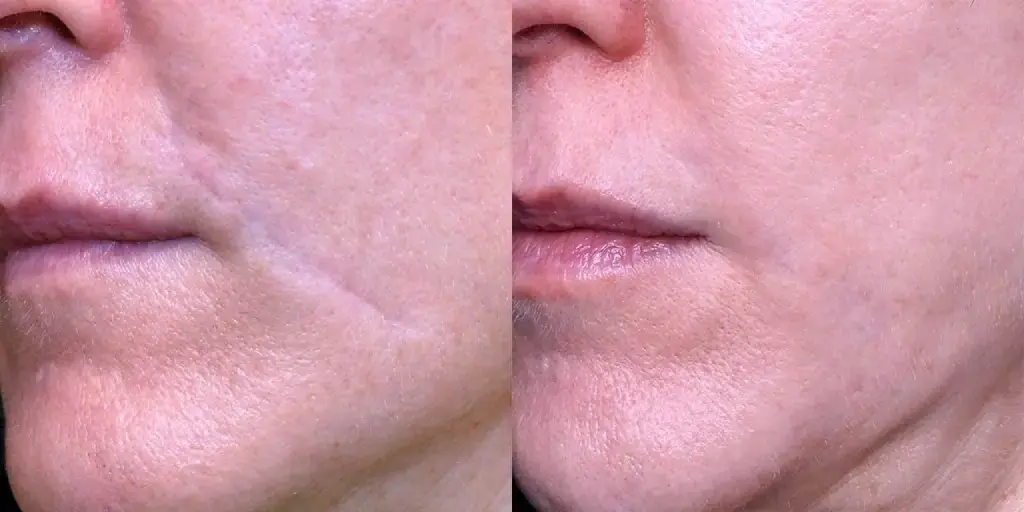
Does Surgical Scar Revision Work for All Skin Types?
Posted On May 20, 2026Concerned about the evident surgical scars affecting your self-esteem? Surgical Scar Revision in Dubai refines, evens out, and revives skin.
Scars form as part of the body’s natural healing process, but their appearance can vary significantly depending on genetics, skin tone, wound depth, and healing behavior. For many individuals, visible scarring can affect confidence and comfort, especially when scars are raised, uneven, or darker than the surrounding skin. This is where Surgical Scar Revision in Dubai becomes a commonly discussed option for improving the appearance of scars by refining texture, alignment, and overall visibility. However, a frequent concern remains whether this approach delivers consistent results across all skin types or if certain skin tones respond better than others.
Understanding Scar Formation and Skin Biology
To understand how scar improvement procedures work, it is essential to first understand how skin heals. When the skin is injured, the body produces collagen to close the wound quickly. This collagen deposition is often irregular, which leads to visible scarring. In some cases, the body produces excess collagen, resulting in raised scars such as hypertrophic or keloid formations.
Skin biology differs across individuals, particularly in melanin concentration and fibroblast activity. These biological variations influence how scars form, mature, and respond to corrective procedures. Because of this, the outcome of scar improvement techniques is not uniform and can vary based on underlying skin characteristics.
How Different Skin Types Respond to Scar Correction
Skin types are often categorized using the Fitzpatrick scale, which ranges from lighter skin tones that burn easily to deeper skin tones that have higher melanin content and greater natural protection against sun damage. Each category responds differently to injury and healing.
Lighter skin tones may experience scars that appear red or pale over time, and these scars often flatten more predictably after corrective procedures. Medium skin tones may show more visible pigmentation changes during healing, which can temporarily affect the appearance of results. Deeper skin tones are more prone to post-inflammatory hyperpigmentation or raised scar formation, which can make scar remodeling more complex.
Despite these differences, modern scar correction techniques are designed with skin diversity in mind. The effectiveness of treatment depends less on skin color alone and more on how the skin biologically responds to controlled healing and collagen remodeling. Therefore, while outcomes may vary in appearance and healing time, meaningful improvement is achievable across most skin types.
Factors That Influence Scar Improvement Outcomes
Several biological and environmental factors influence how well a scar responds to revision techniques. One of the most important factors is individual healing response. Some people naturally produce more collagen, which can lead to thicker or more noticeable scar tissue after injury or intervention.
Pigmentation response is another key factor. Skin that is prone to hyperpigmentation may temporarily darken during the healing phase, even if the structural appearance of the scar improves. This is a normal process and often stabilizes with time.
The location of the scar also plays a role. Areas with high tension or frequent movement, such as joints, may heal differently compared to more stable regions. Additionally, the age of the scar matters, as older scars are typically more stable and may respond more predictably than newer ones.
Environmental exposure, particularly sun exposure, can also influence healing. UV exposure can trigger pigmentation changes that affect how the revised scar blends with surrounding skin.
Why Skin Type Alone Does Not Determine Success
A common misconception is that certain skin types are not suitable for scar improvement procedures. In reality, skin type is only one part of a much larger healing equation. While melanin levels and genetic factors can influence pigmentation and scar texture, they do not automatically determine whether improvement is possible.
Instead, scar characteristics such as thickness, depth, direction, and tissue tension are more direct predictors of outcome. Even individuals with deeper skin tones can achieve noticeable improvement when the scar is stable and the skin is properly supported during healing.
The key difference lies in how carefully the healing process is managed. Skin that is more prone to pigmentation changes may require longer stabilization periods, but the structural refinement of the scar can still be achieved effectively.
The Role of Healing Response in Scar Remodeling
Scar remodeling is a gradual biological process in which the body reorganizes collagen fibers over time. This process continues long after the initial healing phase. During this time, the appearance of the scar can improve in terms of texture, softness, and alignment with surrounding tissue.
In some individuals, this remodeling phase is highly efficient, leading to smoother and less noticeable scars. In others, the process is slower or more reactive, which may require additional time for visible improvement. This variation is natural and expected across different skin types.
Inflammation control also plays a crucial role. Excessive inflammation can lead to darker or thicker scar tissue, while well-managed healing typically results in more refined outcomes.
Managing Expectations Across Different Skin Types
Realistic expectations are essential when considering scar improvement approaches. While significant enhancement is possible, complete removal of scars is not achievable. Instead, the goal is to reduce visibility, improve texture, and create better blending with surrounding skin.
Individuals with darker skin tones may notice that pigmentation changes take longer to stabilize, even if the structural improvement is successful. Lighter skin tones may see quicker visual blending but may also experience temporary redness during early healing stages.
Understanding these variations helps create a more accurate expectation of results. The success of scar improvement is not defined by uniform perfection but by measurable enhancement tailored to each individual’s skin response.
Techniques That Support Better Outcomes Across Skin Types
Modern scar improvement strategies focus on controlled tissue remodeling and precise adjustment of scar structure. Techniques are designed to minimize tension, refine irregular edges, and encourage organized collagen development.
The body’s natural healing mechanisms are supported rather than replaced, allowing the scar to gradually integrate more smoothly with surrounding skin. This biological cooperation is what makes scar revision adaptable across different skin tones and types.
Proper aftercare is equally important, as it helps regulate pigmentation activity and supports long-term stability of the improved scar appearance.
Long-Term Stability and Maintenance of Results
Once scar remodeling has progressed, the improved appearance tends to stabilize over time. However, long-term results can still be influenced by skin care habits, sun protection, and overall skin health.
Consistent protection from UV exposure helps prevent pigmentation shifts, especially in skin types that are more reactive. Maintaining skin hydration and avoiding unnecessary trauma to the area also supports lasting results.
While the scar may never completely disappear, its visibility can be significantly reduced, making it less noticeable in daily life and under normal lighting conditions.
Book Us
When evaluating whether Surgical Scar Revision is suitable for different skin types, it becomes clear that outcomes depend on biological response, scar characteristics, and healing behavior rather than skin tone alone. With properly managed healing and realistic expectations, individuals across a wide range of skin types can experience meaningful improvement in scar appearance and texture. For those seeking a structured approach to scar refinement, Enfield Royal Clinic Dubai offers guidance and support tailored to individual needs, ensuring that each case is assessed with attention to skin behavior, scar maturity, and long-term aesthetic goals



;)