Comtech Systems

 Home
Home  About Comtech Systems
  service
  Make An Enquiry





The Importance of Regular Software Updates
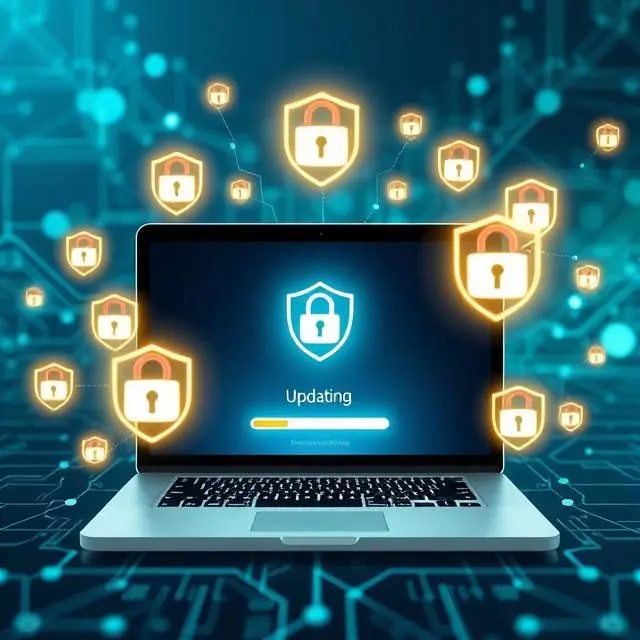
Posted On Apr 7, 2025In today’s fast-paced digital era, the strength of your cybersecurity framework relies heavily on one simple action—regular software updates. Unfortunately, it’s an area many businesses and individuals neglect, viewing it as an inconvenience rather than a necessity. In this blog, we’ll explore why regular software updates are critical to your digital security and how they can help protect your organization from cyber threats.
What Are Software Updates and Why Do They Matter?
Software updates are improvements made to existing software to fix bugs, patch security vulnerabilities, or enhance performance. Developers release these updates to address newly discovered issues or strengthen the functionality of their applications. Skipping updates leaves your system exposed to hackers who exploit outdated software vulnerabilities.
Types of Software Updates
Security Patches: Fix specific security vulnerabilities that attackers can exploit.
Feature Enhancements: Provide new tools or functionalities to improve user experience.
Compatibility Updates: Ensure seamless integration with other modern systems, devices, or software versions.
Each type is essential in maintaining a secure, efficient, and reliable computing environment.
The Cost of Ignoring Software Updates
Neglecting updates can lead to catastrophic consequences. For example, the WannaCry ransomware attack in 2017 exploited unpatched vulnerabilities, causing billions of dollars in damages globally. Beyond financial losses, data breaches caused by outdated software can tarnish a company’s reputation and result in severe legal penalties.
How Software Updates Enhance Security
Plugging Security Loopholes: Updates fix vulnerabilities before they’re exploited.
Preventing Malware Attacks: Modern-day malware and ransomware heavily target outdated systems.
Meeting Compliance Standards: Adhering to industry standards and regulations often requires systems to be fully updated.
Common Myths About Software Updates
“Updates Slow Down My System”: While certain updates may briefly affect performance, long-term gains outweigh temporary disruptions.
“Antivirus Software Is Enough”: Antivirus programs cannot address all system vulnerabilities, making updates vital.
“Small Businesses Are Safe”: Even small businesses face rising cyberattack risks and can’t afford to overlook updates.
Best Practices for Managing Software Updates
Enable automatic updates wherever possible.
Develop a clear update policy within your organization.
Conduct regular audits to ensure all systems and applications are up to date.
Test updates on non-critical systems before full implementation.
The Role of Employees in Staying Updated
Employees often encounter update prompts but may ignore them due to ignorance or work interruptions. Training programs can educate your workforce on the importance of updates, making them an integral part of your cyber defense strategy.
Emerging Trends in Software Updates
AI-Powered Updates: Automatically identifying vulnerabilities and deploying real-time patches.
Predictive Security: Using advanced analytics to address vulnerabilities before they are exploited.
Conclusion: Regular Updates as a Cyber Hygiene Routine
Software updates are not optional—they’re your frontline defense against evolving cyber threats. Integrate regular updates into your organization's cybersecurity practices and encourage employees to value them as part of their daily routines. Remember, a few minutes spent updating today can save you from a disaster tomorrow.





;)