Enfield Royal Clinic Oman

 Home
Home  About Enfield Royal Clinic Oman
  Treatments
  Make An Enquiry






A Beginner’s Guide to Cosmetic Surgery Basics
Posted On Jun 3, 2026Learn about cosmetic surgery, its procedures, benefits, risks, recovery, and results. Discover how modern treatments enhance appearance and confidence.
Cosmetic surgery has become increasingly popular worldwide as more people explore ways to enhance their appearance, boost confidence, and address physical features they feel less satisfied with. Whether it is facial refinement, body contouring, or skin-related improvements, Cosmetic Surgery offers a wide range of procedures designed to improve aesthetic appearance while also supporting emotional well-being.
For beginners, the world of cosmetic procedures can feel overwhelming due to medical terms, different techniques, and varying expectations. This guide breaks everything down in a simple, friendly, and expert way so readers can understand the basics, benefits, risks, and what to expect before considering any procedure.
What Is Cosmetic Surgery?
Cosmetic surgery refers to medical procedures performed to enhance or improve a person’s physical appearance. Unlike reconstructive surgery, which focuses on correcting defects or injuries, cosmetic surgery is mainly elective and aimed at aesthetic improvement.
It includes procedures for the face, body, skin, and sometimes hair. Common goals include improving symmetry, reducing signs of aging, reshaping specific body areas, or enhancing natural features.
People often explore Cosmetic Surgery not only for physical transformation but also to improve self-confidence and personal satisfaction with their appearance.
Why Do People Choose Cosmetic Surgery?
There are many personal reasons why individuals consider cosmetic procedures. These motivations are often emotional, physical, or both.
1. Enhancing Self-Confidence
One of the most common reasons people choose cosmetic surgery is to feel more confident in their appearance. When someone feels comfortable in their own skin, it often positively affects their social life, career, and overall happiness.
2. Addressing Signs of Aging
As the body ages, natural changes such as wrinkles, sagging skin, and volume loss become more visible. Cosmetic surgery offers options to reduce these signs and create a more youthful appearance.
3. Improving Facial or Body Proportions
Some individuals may feel that certain features are out of balance. Cosmetic procedures can help refine proportions and create a more harmonious appearance.
4. Correcting Long-Standing Concerns
Certain features that cause insecurity from a young age, such as nose shape or body contour, can be improved through cosmetic surgery, helping individuals feel more comfortable in their appearance.
Common Types of Cosmetic Surgery Procedures
There are many types of cosmetic surgery procedures, each designed for specific aesthetic goals. Understanding the basics can help beginners know what options exist.
Facial Procedures
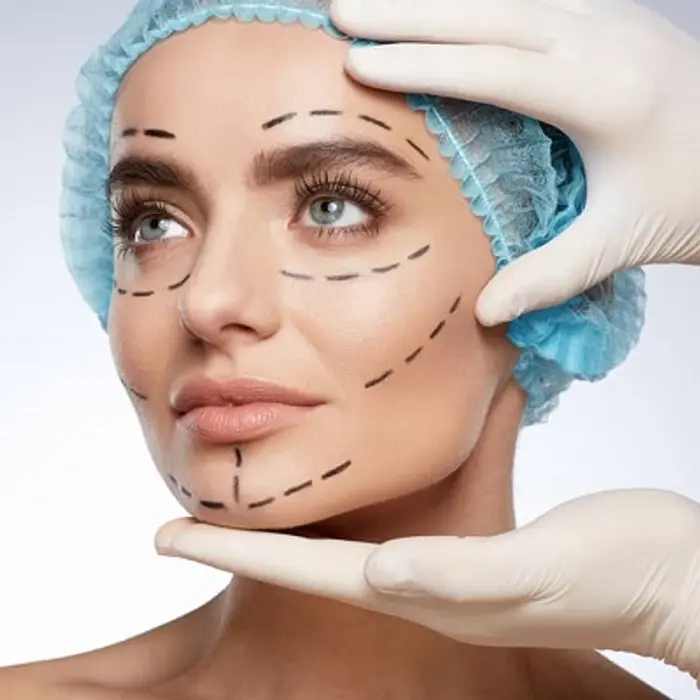
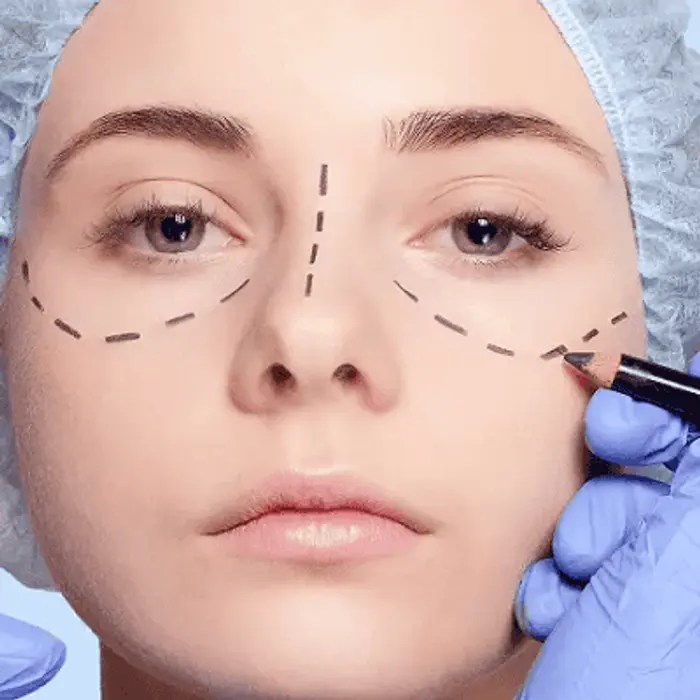
Facial cosmetic surgery focuses on enhancing or reshaping facial features. This may include procedures that refine the nose, lift sagging skin, or improve facial symmetry. These treatments are often chosen for subtle yet impactful improvements.
Body Contouring Procedures
Body-focused cosmetic surgery aims to reshape or sculpt different areas of the body. This can include removing excess fat, tightening skin, or improving body proportions. These procedures are often popular among individuals seeking a more defined silhouette.
Skin-Enhancing Procedures
Some cosmetic surgical treatments focus on improving skin texture, tone, or elasticity. These procedures may address scarring, wrinkles, or uneven skin appearance.
Breast Procedures
Cosmetic surgery also includes procedures that modify breast shape, size, or symmetry. These are chosen for both aesthetic and personal comfort reasons.
How Cosmetic Surgery Works: A Simple Explanation
Cosmetic surgery involves a structured medical process that begins with evaluation and ends with recovery. Although each procedure is different, the general approach is similar.
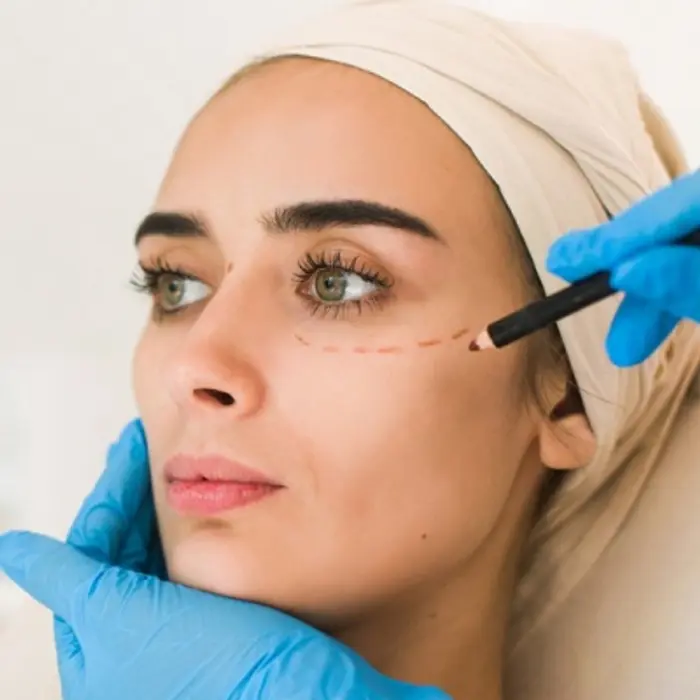
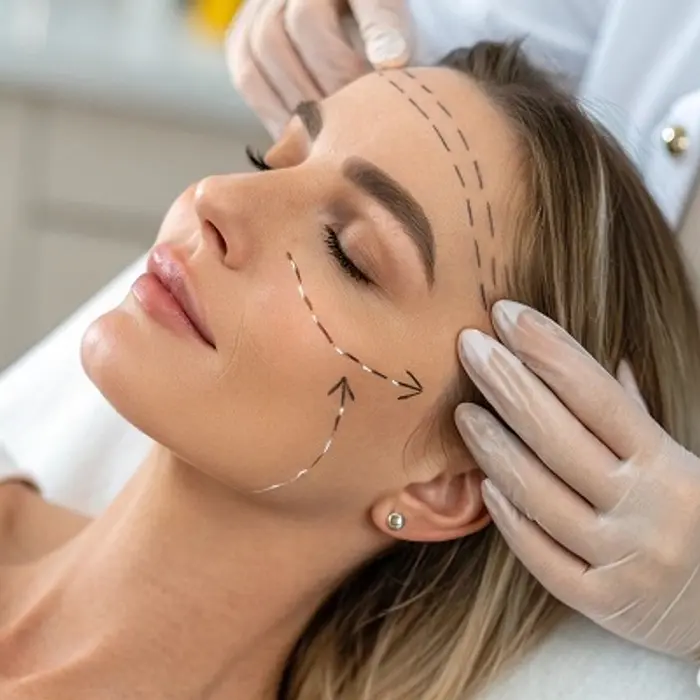
First, an assessment is done to understand the individual’s goals and physical condition. Then, a customized surgical plan is created based on desired outcomes and medical suitability.
During the procedure, controlled surgical techniques are used to reshape or enhance specific areas. After surgery, the body naturally begins the healing process, which can take time depending on the complexity of the procedure.
People considering Cosmetic Surgery should understand that results are not immediate. Swelling, healing, and gradual improvement are all part of the recovery journey.
Benefits of Cosmetic Surgery
Cosmetic surgery offers several potential benefits, both physical and emotional. While results vary from person to person, many individuals report positive changes in confidence and appearance.
Improved Appearance
One of the main benefits is visible enhancement of specific features. Whether subtle or significant, these improvements are tailored to individual goals.
Boost in Self-Confidence
Many individuals feel more confident after cosmetic procedures. This can positively impact social interactions and personal relationships.
Long-Lasting Results
Compared to non-surgical treatments, cosmetic surgery often provides longer-lasting results, especially when combined with a healthy lifestyle.
Personal Satisfaction
Feeling satisfied with one’s appearance can improve overall emotional well-being and self-image.
Risks and Considerations Before Cosmetic Surgery
Like any medical procedure, cosmetic surgery comes with potential risks. It is important to understand these before making any decisions.
Possible risks may include swelling, bruising, infection, or uneven results. Recovery time also varies depending on the procedure and individual healing capacity.
Another important consideration is expectation management. Cosmetic surgery can enhance appearance but does not create perfection. Realistic expectations are essential for satisfaction with results.
Those exploring Cosmetic Surgery should take time to understand both benefits and limitations before proceeding.
Recovery and Aftercare: What to Expect
Recovery is an essential part of the cosmetic surgery journey. After a procedure, the body needs time to heal and adjust.
In the early stages, mild discomfort, swelling, or sensitivity is common. Over time, these effects gradually reduce as healing progresses. Following aftercare instructions plays a major role in achieving the best possible outcome.
Rest, proper nutrition, hydration, and avoiding strain on the treated area are typically recommended during recovery. The healing timeline varies depending on the type of surgery and individual response.
Long-term results become more visible as the body fully heals, often taking several weeks or even months for final outcomes to appear.
Is Cosmetic Surgery Right for Everyone?
Cosmetic surgery is not suitable for everyone. It is best considered by individuals who are physically healthy, emotionally prepared, and have realistic expectations.
A strong understanding of the procedure, recovery process, and possible outcomes is important before making any decision. Emotional readiness also plays a key role, as cosmetic surgery is a personal choice that should not be influenced by pressure from others.
People interested in Cosmetic Surgery are encouraged to carefully evaluate their motivations and goals before proceeding.
Frequently Asked Questions (FAQs)
1. What is cosmetic surgery used for?
Cosmetic surgery is used to enhance or improve physical appearance. It can address facial features, body shape, skin concerns, and signs of aging.
2. Is cosmetic surgery permanent?
Some cosmetic surgery results are long-lasting, but not all are permanent. Aging and lifestyle factors can still affect results over time.
3. How long does recovery take after cosmetic surgery?
Recovery time varies depending on the procedure. Some may take a few days, while others may require several weeks or months for full healing.
4. Is cosmetic surgery painful?
Discomfort levels vary, but most procedures involve manageable post-surgery discomfort that improves during recovery.
5. Who is a good candidate for cosmetic surgery?
Healthy individuals with realistic expectations and a clear understanding of the procedure are generally considered suitable candidates.
6. What should be considered before choosing cosmetic surgery?
It is important to consider goals, risks, recovery time, and realistic expectations before deciding on cosmetic surgery.
Read More About Cosmetic Surgery: https://www.citymapia.com/muscat/enfield-royal-clinic-oman/blog/getting-started-with-peptides-26540



;)