Muscat, Muscat Governorate

map icon mao preview icon

mail icon info@enfieldroyalclinics.om

website icon https://www.enfieldroyalclinics.om Go to Website

muscat

Copyright © 2026 Citymapia.com. All Rights Reserved

Common types of Plastic Surgery procedures explained

Common types of Plastic Surgery procedures explained

Posted On Jun 4, 2026

Learn about cosmetic surgery, its procedures, benefits, risks, recovery, and results. Discover how modern treatments enhance appearance and confidence.
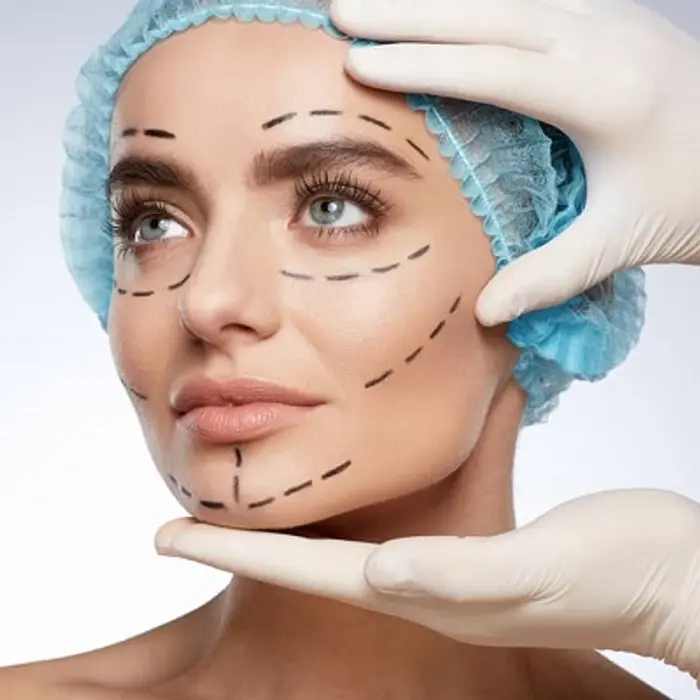
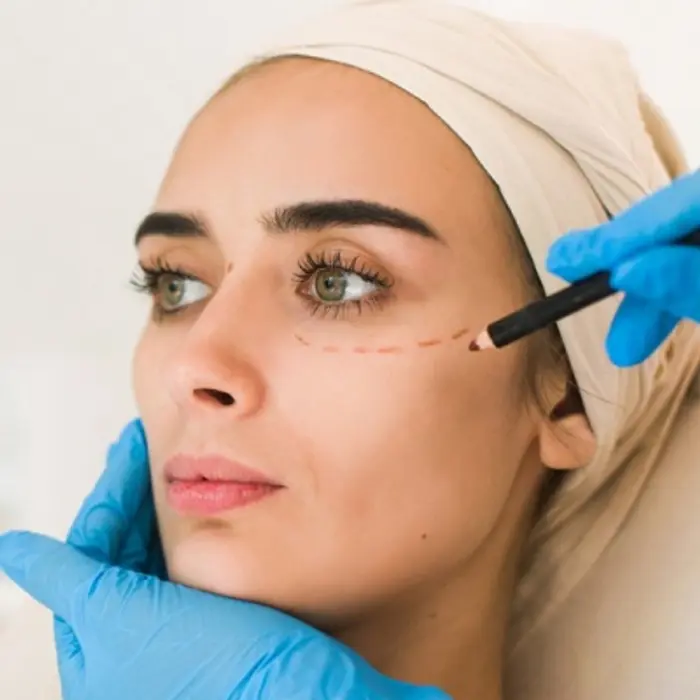
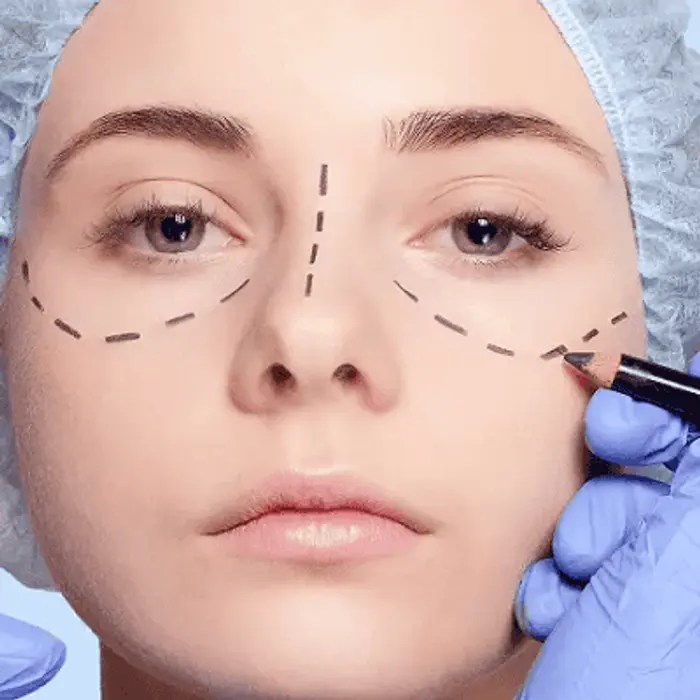
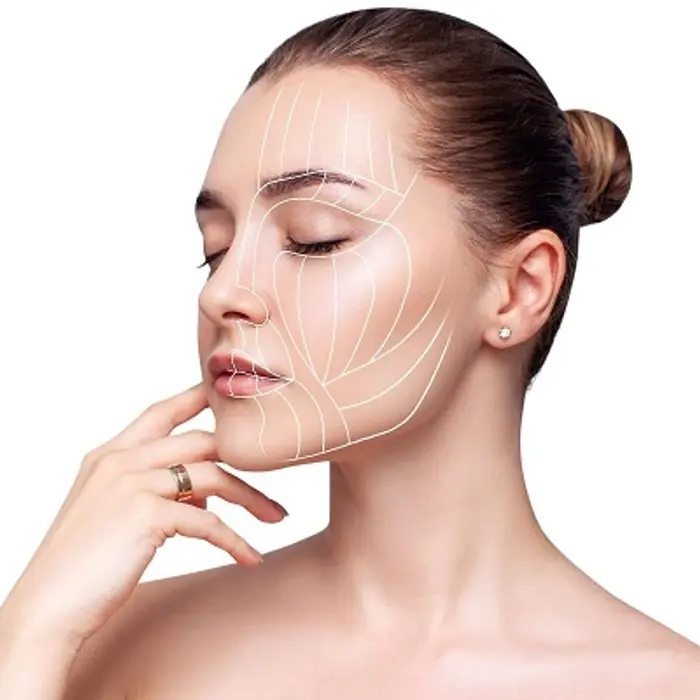
Plastic Surgery is a broad and specialized branch of medicine that focuses on improving, restoring, or enhancing the appearance and function of different parts of the body. It includes both reconstructive procedures, which aim to repair defects caused by injury, birth conditions, or medical treatments, and cosmetic procedures, which are performed to improve aesthetic appearance.

Over the years, Plastic Surgery has become increasingly common due to advancements in medical technology, improved safety standards, and growing awareness about personal appearance and self-confidence. Today, it is not just about beauty—it also plays a vital role in restoring normal function after trauma, burns, or surgery. Many individuals explore plastic surgery options to feel more comfortable in their own skin, while others seek medical correction for functional concerns.

This article explores the most common types of plastic surgery procedures, how they work, what to expect during recovery, and the key factors individuals should consider before making a decision.

Common Types of Plastic Surgery Procedures

Plastic surgery includes a wide range of procedures that target different areas of the body. These can generally be grouped into facial procedures, body contouring procedures, and breast-related surgeries.

Facial Plastic Surgery Procedures

Facial procedures are among the most commonly requested types of plastic surgery. They focus on enhancing facial symmetry, restoring youthful appearance, or correcting structural issues.

Some popular procedures include:

  • Rhinoplasty (nose reshaping): This procedure adjusts the shape or size of the nose to improve facial harmony or correct breathing issues.
  • Facelift: Designed to reduce visible signs of aging by tightening facial tissues and smoothing sagging skin.
  • Blepharoplasty (eyelid surgery): Removes excess skin or fat from the eyelids, helping improve both appearance and sometimes vision.
  • Chin and jaw reshaping: Enhances facial balance by refining the contours of the lower face.

These procedures often require careful planning to ensure natural-looking results that complement the individual’s features.

Body Contouring Procedures

Body contouring focuses on reshaping and improving the body’s silhouette. These procedures are often chosen after significant weight loss or to target stubborn fat deposits.

Common procedures include:

  • Liposuction: Removes localized fat deposits from areas like the abdomen, thighs, arms, or hips.
  • Tummy tuck (abdominoplasty): Tightens abdominal muscles and removes excess skin for a flatter stomach.
  • Body lift: Addresses loose or sagging skin, especially after major weight loss.

These procedures help improve body proportions and can significantly boost confidence when lifestyle changes alone are not enough.

Breast-Related Procedures

Breast surgery is another major category of plastic surgery and includes both enhancement and reconstructive techniques.

Popular options include:

  • Breast augmentation: Enhances breast size and shape using implants or fat transfer.
  • Breast reduction: Removes excess breast tissue to relieve discomfort and improve body balance.
  • Breast lift: Raises and reshapes sagging breasts for a more youthful appearance.

These procedures are highly individualized and are often performed based on personal goals, body structure, and medical needs.

Cosmetic vs Reconstructive Plastic Surgery

Plastic surgery is generally divided into two main categories: cosmetic and reconstructive.

Cosmetic plastic surgery focuses on improving appearance. It is elective and typically chosen by individuals who want to enhance certain physical features or reverse signs of aging. The goal is aesthetic improvement rather than medical necessity.

Reconstructive plastic surgery, on the other hand, is performed to restore normal appearance and function. This may include correcting birth defects such as cleft lip, repairing injuries from accidents, or rebuilding areas affected by disease or surgery (such as after breast cancer treatment).

Both categories are equally important, and in many cases, reconstructive procedures can significantly improve a person’s quality of life by restoring both function and appearance.

How Plastic Surgery Procedures Are Performed

Plastic surgery procedures vary widely depending on the type and complexity of the treatment. However, most follow a general process that includes consultation, preparation, surgery, and recovery.

During the consultation phase, a detailed assessment is made to understand the patient’s goals, medical history, and physical condition. This helps determine the most suitable procedure and expected outcomes.

On the day of surgery, anesthesia is used to ensure comfort. Depending on the procedure, surgery may be minimally invasive or involve more complex techniques. Surgeons use specialized methods to minimize scarring and promote natural results.

After the procedure, patients are monitored and given specific recovery instructions. Follow-up visits are typically scheduled to track healing progress and ensure optimal results.

Recovery, Results, and Possible Risks

Recovery time in plastic surgery depends on the type of procedure performed. Minor procedures may require only a few days of rest, while more complex surgeries can take several weeks or months for full recovery.

During recovery, patients may experience swelling, bruising, or mild discomfort, which gradually improves over time. Following post-operative care instructions is essential for achieving the best results and reducing complications.

Like any medical procedure, plastic surgery carries some risks. These may include infection, scarring, anesthesia reactions, or uneven results. However, advancements in surgical techniques and proper aftercare have significantly reduced these risks in modern practice.

Results from plastic surgery can be long-lasting, especially when supported by a healthy lifestyle, balanced diet, and proper skincare or body care routine.

Factors to Consider Before Choosing Plastic Surgery

Before deciding on plastic surgery, individuals should carefully evaluate several important factors. The decision should be based on realistic expectations rather than external pressure or unrealistic beauty standards.

Key considerations include:

  • Personal motivation and emotional readiness
  • Understanding of potential risks and limitations
  • Recovery time and lifestyle adjustments
  • Long-term maintenance of results
  • Consultation with qualified medical professionals

It is also important to remember that plastic surgery is not a quick fix for self-esteem issues. While it can enhance appearance and confidence, overall well-being depends on a combination of physical, emotional, and mental health.

Advancements in Modern Plastic Surgery

Modern plastic surgery has evolved significantly due to advancements in medical technology and surgical techniques. Minimally invasive procedures, improved anesthesia methods, and better post-surgical care have made treatments safer and more effective than ever before.

Techniques such as laser-assisted procedures, fat grafting, and 3D imaging for surgical planning allow for more precise results and faster recovery times. These innovations continue to shape the future of plastic surgery, making it more accessible and predictable for patients worldwide.

FAQs About Plastic Surgery

1. What is plastic surgery used for?
Plastic surgery is used to improve appearance, restore body function, or correct physical abnormalities caused by injury, birth conditions, or medical treatments.

2. Is plastic surgery safe?
Yes, plastic surgery is generally safe when performed by qualified professionals and when proper pre- and post-operative care is followed. However, like any surgery, it carries some risks.

3. How long does recovery take after plastic surgery?
Recovery time varies depending on the procedure. Minor surgeries may take a few days, while more complex procedures can require several weeks to months.

4. Are plastic surgery results permanent?
Many results are long-lasting, but factors like aging, lifestyle, and weight changes can affect outcomes over time.

5. Who is a good candidate for plastic surgery?
A good candidate is generally someone in good health, with realistic expectations and a clear understanding of the procedure and its outcomes.

6. Does plastic surgery leave scars?
Most procedures do leave scars, but skilled surgical techniques and proper healing care help minimize their visibility over time.

Read More About Plastic Surgery: https://www.citymapia.com/muscat/enfield-royal-clinic-oman/blog/what-is-cosmetic-surgery-and-27544


Related items