Acne is one of the most common skin concerns worldwide, affecting people of all ages—not just teenagers. While it’s often associated with puberty, many adults also struggle with breakouts due to hormonal changes, stress, or lifestyle factors. For beginners trying to understand acne treatment, the wide range of options can feel overwhelming. From over-the-counter products to professional procedures, knowing where to start is key.
This guide breaks down Acne Treatment options in a clear, beginner-friendly way, helping readers make informed decisions about their skin.
What Causes Acne?
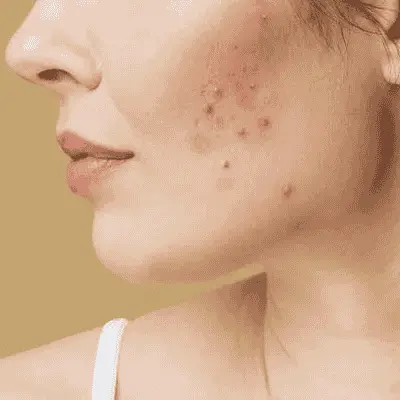
Before diving into treatment, it helps to understand what causes acne. Acne forms when hair follicles become clogged with oil (sebum), dead skin cells, and sometimes bacteria. This can lead to whiteheads, blackheads, pimples, or even deeper cysts.
Common triggers include hormonal fluctuations, excess oil production, poor skincare habits, stress, diet, and genetics. Since acne has multiple causes, treatment often requires a combination approach rather than a single solution.
Types of Acne and Why They Matter
Not all acne is the same, and identifying the type can help determine the most effective acne treatment.
Mild acne typically includes blackheads and whiteheads. Moderate acne involves inflamed pimples, while severe acne can include painful cysts and nodules beneath the skin. Each type responds differently to treatment, so understanding severity helps avoid wasting time on ineffective solutions.
For example, mild acne may respond well to topical products, while severe cases may require prescription treatments or professional procedures.
Over-the-Counter Acne Treatments
For beginners, over-the-counter (OTC) products are usually the first step. These are widely available and can be effective for mild to moderate acne.
Ingredients play a crucial role in choosing the right product. Salicylic acid helps unclog pores and reduce inflammation, making it ideal for blackheads and whiteheads. Benzoyl peroxide targets acne-causing bacteria and reduces redness. Retinoids (like adapalene) promote cell turnover and prevent clogged pores.
Consistency is essential when using OTC treatments. Results typically take several weeks, and overuse can irritate the skin, so starting slowly is recommended.
Prescription Acne Treatment Options
When OTC products don’t deliver results, prescription treatments may be necessary. These are generally stronger and target acne more aggressively.
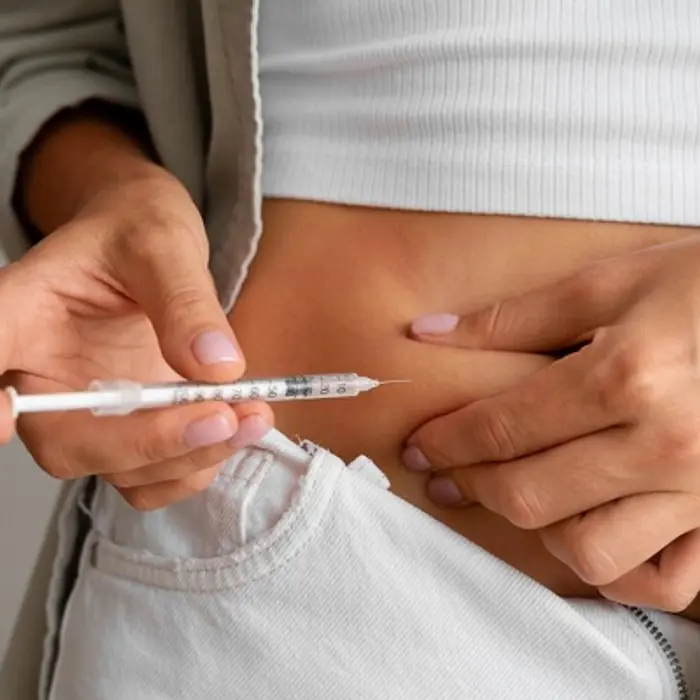
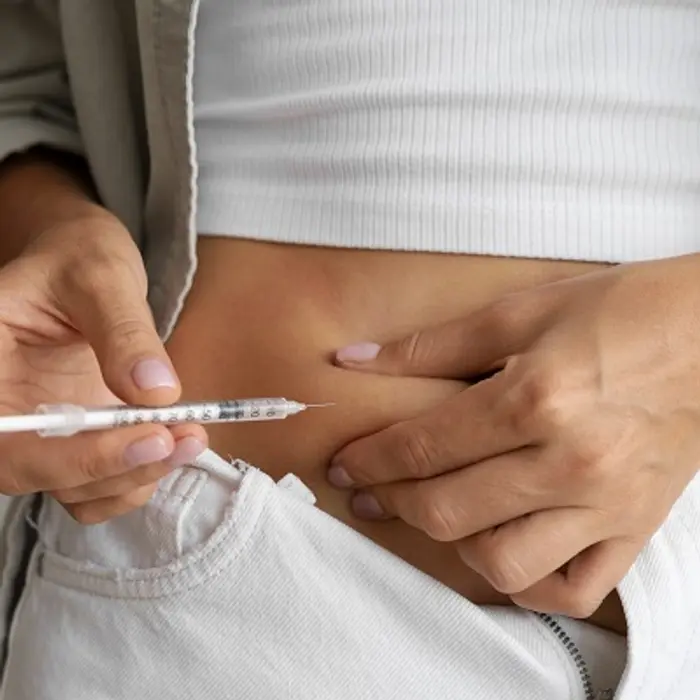
Topical prescriptions may include stronger retinoids or antibiotic creams to reduce bacteria and inflammation. Oral medications are also an option for moderate to severe acne. These may include antibiotics to control bacterial growth or medications that regulate hormones.
For persistent or severe acne, isotretinoin may be considered under strict supervision. It significantly reduces oil production but requires careful monitoring due to potential side effects.
Prescription treatments are often part of a long-term acne treatment plan rather than a quick fix.
Natural and Lifestyle-Based Approaches
While medical treatments are effective, lifestyle changes can also support acne management. These approaches may not replace clinical treatments but can enhance results.
A balanced diet with reduced processed foods and sugar may help some individuals. Staying hydrated and maintaining a consistent skincare routine are also beneficial. Gentle cleansing, avoiding harsh scrubbing, and using non-comedogenic products can prevent further breakouts.
Stress management plays a surprisingly important role. High stress levels can trigger hormonal changes that worsen acne. Incorporating relaxation techniques like exercise or mindfulness can contribute to healthier skin over time.
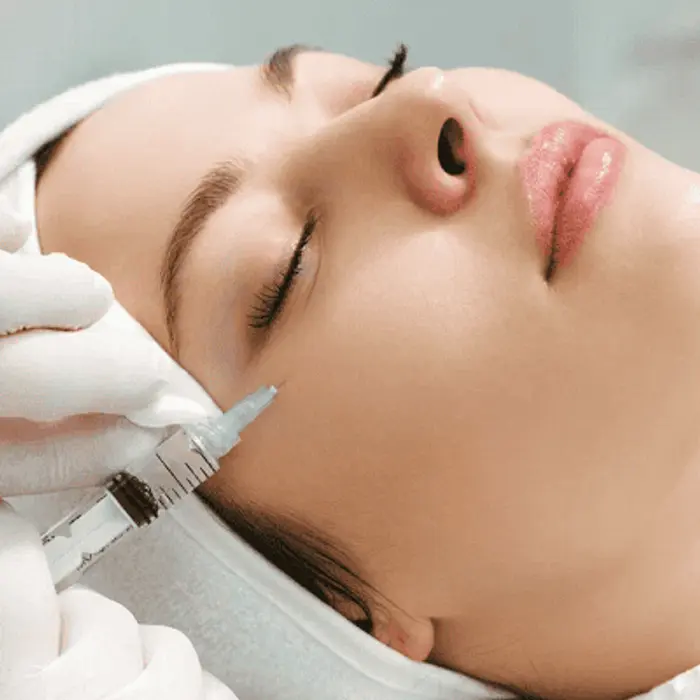
Professional Acne Treatment Procedures
For those seeking faster or more targeted results, professional treatments can be highly effective. These procedures are typically recommended for stubborn or severe acne.
Chemical peels use exfoliating acids to remove dead skin layers and unclog pores. Laser and light therapies target bacteria and reduce inflammation. Extraction procedures safely remove blackheads and whiteheads without damaging the skin.
Another popular option is microneedling, which helps improve acne scars by stimulating collagen production. While these treatments can be effective, they usually require multiple sessions and proper aftercare.
Professional procedures are often combined with other acne treatment methods for optimal results.
Building an Effective Acne Treatment Routine
A successful acne treatment plan isn’t about using the most products—it’s about using the right ones consistently. A basic routine includes cleansing, treatment, moisturizing, and sun protection.
Using a gentle cleanser twice daily helps remove dirt and excess oil without stripping the skin. Treatment products should be applied as directed, and moisturizers are essential—even for oily skin—to maintain balance. Sunscreen is often overlooked but is crucial, especially when using active ingredients that increase sun sensitivity.
Patience is key. Acne treatment takes time, and switching products too frequently can worsen the condition. Tracking progress and making gradual adjustments often leads to better outcomes.
When to Seek Professional Advice
While many cases of acne can be managed at home, some situations require expert evaluation. Severe, painful acne, sudden breakouts in adulthood, or acne that leaves scars should not be ignored.
Delaying proper treatment can lead to long-term skin damage. Seeking guidance early can help prevent complications and improve overall results.
1. What is the best acne treatment for beginners?
The best starting point is usually over-the-counter products containing salicylic acid or benzoyl peroxide. These ingredients are widely available and effective for mild acne when used consistently.
2. How long does acne treatment take to work?
Most treatments take at least 4 to 8 weeks to show visible results. Patience is important, as skin needs time to respond and heal.
3. Can acne go away on its own?
Mild acne may improve over time, especially with proper skincare. However, moderate to severe acne often requires treatment to prevent worsening or scarring.
4. Are natural remedies effective for acne treatment?
Natural approaches can support skin health but may not be sufficient for treating moderate or severe acne. They work best as complementary methods rather than primary solutions.
5. Is it okay to use multiple acne products at once?
Using too many products can irritate the skin and worsen acne. It’s better to start with a simple routine and gradually introduce new treatments if needed.
6. What should be avoided during acne treatment?
Avoid picking or squeezing pimples, using harsh scrubs, and overloading the skin with strong products. These habits can lead to irritation and scarring.
Acne treatment doesn’t have to be confusing. With the right knowledge and a consistent approach, managing acne becomes much more achievable. Understanding the available options—from simple skincare products to advanced procedures—helps individuals choose what works best for their skin.
Read More About Acne Treatment: https://www.citymapia.com/muscat/enfield-royal-clinic-oman/blog/is-exosomes-treatment-better-25208


 Home
Home  About Enfield Royal Clinic Oman
  Treatments
  Make An Enquiry







;)