Enfield Royal Clinic Oman

 Home
Home  About Enfield Royal Clinic Oman
  Treatments
  Make An Enquiry





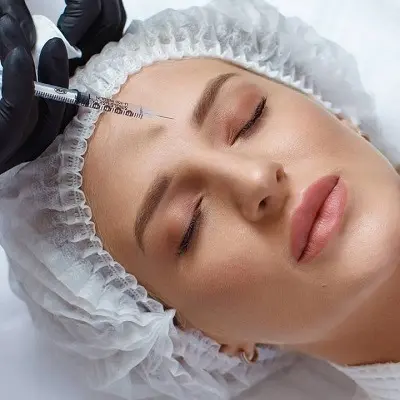
Are Botox Injections Safe? What You Should Know
Posted On Jun 13, 2026Learn about Botox injections, their uses for wrinkles and medical conditions, procedure details, benefits, risks, and recovery information.
Botox injections have become one of the most popular non-surgical cosmetic treatments worldwide. Known for their ability to reduce wrinkles and fine lines, these injections are widely used by people seeking a more refreshed and youthful appearance. Beyond cosmetic purposes, Botox injections are also used to treat several medical conditions, including chronic migraines, excessive sweating, muscle spasms, and certain eye disorders.
Despite their popularity, many people still wonder: Are Botox Injections safe? Understanding how Botox works, its potential benefits, possible side effects, and who may be a suitable candidate can help individuals make informed decisions before undergoing treatment.
This guide explores everything readers should know about Botox injections, including safety considerations, risks, benefits, and frequently asked questions.
What Are Botox Injections?
Botox injections are treatments that use a purified form of botulinum toxin type A. When administered in small, controlled doses by a qualified professional, the substance temporarily relaxes targeted muscles.
In cosmetic treatments, Botox injections are commonly used to minimize the appearance of dynamic wrinkles caused by repeated facial expressions such as smiling, frowning, or squinting. These wrinkles often appear on the forehead, between the eyebrows, and around the eyes.
In medical settings, Botox injections may help manage various conditions by reducing muscle activity or blocking certain nerve signals.
How Do Botox Injections Work?
Botox works by temporarily blocking communication between nerves and muscles. Once injected into a specific muscle, it prevents that muscle from contracting as strongly as before.
As a result, the overlying skin appears smoother, reducing the visibility of wrinkles and fine lines. The effects are not permanent, which means the treatment typically requires maintenance sessions to preserve results.
For medical uses, the same mechanism helps relax muscles, reduce excessive gland activity, or minimize nerve-related symptoms depending on the condition being treated.
Are Botox Injections Safe?
In general, Botox injections are considered safe when administered by a trained and experienced healthcare professional. They have been extensively studied and used for decades in both cosmetic and medical applications.
Health authorities in many countries have approved Botox for multiple uses after rigorous testing and evaluation. Millions of treatments are performed annually, and serious complications remain relatively rare.
However, like any medical or cosmetic procedure, Botox injections carry certain risks. Safety largely depends on factors such as:
The qualifications and experience of the injector
Proper dosing and injection technique
The individual's medical history
Following aftercare instructions
Using authentic, approved products
When these factors are carefully managed, Botox injections generally have a strong safety profile.
Common Benefits of Botox Injections
Many people choose Botox injections because they offer several advantages compared to more invasive procedures.
Reduction of Facial Wrinkles
One of the primary benefits is the temporary reduction of expression lines and wrinkles, helping create a smoother and more youthful appearance.
Non-Surgical Treatment
Unlike surgical cosmetic procedures, Botox injections require no incisions, stitches, or lengthy recovery periods.
Quick Procedure
Most Botox appointments can be completed within a short period, making them convenient for individuals with busy schedules.
Minimal Downtime
Many people return to normal activities shortly after treatment, although specific aftercare instructions should always be followed.
Medical Applications
Botox injections may also help manage:
Chronic migraines
Excessive sweating
Muscle spasms
Jaw tension
Certain bladder disorders
Some eye muscle conditions
These therapeutic benefits have expanded the use of Botox far beyond cosmetic enhancement.
Possible Side Effects and Risks
Although Botox injections are generally safe, some side effects can occur. Most are mild and temporary.
Common Side Effects
Patients may experience:
Mild redness at the injection site
Swelling
Bruising
Tenderness
Headache
Temporary discomfort
These effects often resolve within a few days.
Less Common Side Effects
In some cases, individuals may notice:
Temporary eyelid drooping
Uneven facial expressions
Dry eyes
Excessive tearing
Mild muscle weakness near the treatment area
These effects are usually temporary and improve as the medication gradually wears off.
Rare Complications
Serious complications are uncommon but may occur in rare situations. These can include difficulties with swallowing, breathing, or speaking if the toxin spreads beyond the intended treatment area.
Seeking treatment from a qualified provider significantly reduces the likelihood of such complications.
Who Is a Good Candidate for Botox Injections?
Many healthy adults may be suitable candidates for Botox injections. Individuals often seek treatment when they notice expression-related wrinkles or require medical management for certain conditions.
A consultation is typically necessary to determine suitability. During this evaluation, medical history, treatment goals, and potential risks are reviewed.
Botox injections may not be appropriate for everyone, including individuals who:
Are pregnant or breastfeeding
Have certain neurological disorders
Have allergies to ingredients in the product
Have active infections at the injection site
A healthcare professional can provide personalized guidance based on an individual's circumstances.
How to Improve Safety Before and After Treatment
Patients can take several steps to help ensure a safe and successful Botox experience.
Choose a Qualified Professional
Selecting a properly trained and licensed healthcare provider is one of the most important safety measures.
Discuss Medical History
Patients should disclose all medical conditions, medications, supplements, and previous cosmetic procedures before treatment.
Follow Pre-Treatment Instructions
Depending on individual circumstances, patients may be advised to avoid certain medications or supplements that could increase bruising.
Follow Aftercare Recommendations
After treatment, providers often recommend:
Avoiding rubbing or massaging treated areas
Remaining upright for several hours
Avoiding strenuous exercise for a short period
Following all specific instructions provided
These precautions can help optimize results and reduce the risk of complications.
How Long Do Botox Results Last?
Botox injections are temporary. Most people begin noticing results within a few days, with full effects often becoming visible within one to two weeks.
The duration of results varies from person to person but commonly lasts several months. Factors influencing longevity include:
Individual metabolism
Treatment area
Dosage used
Muscle activity
Frequency of treatments
As muscle activity gradually returns, repeat treatments may be required to maintain desired results.
Botox Myths and Facts
Myth: Botox Is Dangerous for Everyone
Fact: Botox has a well-established safety record when administered appropriately by qualified professionals.
Myth: Botox Creates a Frozen Appearance
Fact: Natural-looking results are achievable when treatments are customized and performed correctly.
Myth: Botox Is Only for Cosmetic Purposes
Fact: Botox injections are widely used to treat several medical conditions in addition to reducing wrinkles.
Myth: Results Are Permanent
Fact: Botox effects are temporary and gradually wear off over time.
Final Thoughts
Botox injections remain one of the most widely used cosmetic and therapeutic treatments available today. When administered by a qualified professional, they are generally considered safe and effective for reducing wrinkles and managing various medical conditions.
Understanding how Botox works, recognizing potential side effects, and choosing a reputable provider can help individuals achieve the best possible outcomes. While no medical procedure is entirely risk-free, proper assessment, treatment planning, and aftercare significantly contribute to a positive experience.
Anyone considering Botox injections should seek professional advice to determine whether the treatment aligns with their personal goals, health status, and expectations.
Frequently Asked Questions (FAQs)
1. Are Botox injections painful?
Most people experience only mild discomfort during treatment. The injections use very fine needles, and the procedure is generally well tolerated.
2. How long does it take to see results from Botox injections?
Initial improvements may appear within a few days, while full results often develop within one to two weeks.
3. Can Botox injections prevent wrinkles?
Some individuals use Botox injections to help reduce repetitive muscle movements that contribute to wrinkle formation over time.
4. Are Botox injections safe for long-term use?
Many people receive Botox treatments for years without significant issues when treatment is properly managed by qualified professionals.
5. What should be avoided after Botox injections?
Patients are often advised to avoid rubbing the treated area, lying down immediately after treatment, and engaging in intense physical activity for a short period.
6. Can Botox injections be used for medical conditions?
Yes. Botox injections are commonly used to help manage chronic migraines, excessive sweating, muscle spasms, and several other medical conditions.
Read More About Double Botox Injections: https://www.citymapia.com/muscat/enfield-royal-clinic-oman/blog/emotional-confidence-and-29873



;)