Enfield Royal Clinic Oman

 Home
Home  About Enfield Royal Clinic Oman
  Treatments
  Make An Enquiry






Beginner Guide: What Triggers Bruising After Dermal Fillers Injections
Posted On Jan 21, 2026Enhance your natural beauty with dermal filler injections. Reduce wrinkles, restore volume, and achieve a youthful, radiant look safely and effectively.
Dermal fillers have become one of the most popular cosmetic treatments worldwide, offering a non-surgical solution for smoothing wrinkles, restoring facial volume, and enhancing natural contours. In Muscat, individuals seeking youthful and refreshed looks are increasingly turning to the Best Dermal Fillers Injections in Muscat. While these procedures are generally safe, one common concern is bruising. Understanding why bruising occurs and how to minimize it can help patients feel more confident before and after treatment.
What Are Dermal Fillers?
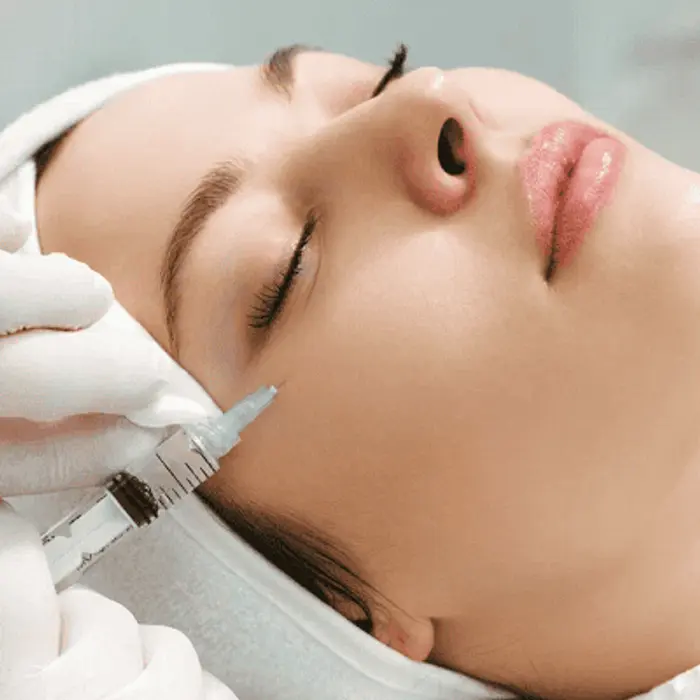
Dermal fillers are injectable substances designed to restore volume, reduce wrinkles, and improve facial symmetry. Made from materials like hyaluronic acid, calcium hydroxylapatite, or poly-L-lactic acid, these fillers are carefully injected into targeted areas of the face. Common treatment zones include the cheeks, lips, under-eye areas, and nasolabial folds. The results are often immediate, with minimal downtime, making dermal fillers an attractive choice for those seeking subtle yet effective enhancements.
Why Bruising Happens After Dermal Fillers
Bruising is a natural response to minor trauma under the skin. Even when performed by experienced practitioners, dermal filler injections involve piercing the skin with a needle or cannula. Small blood vessels beneath the surface can be damaged during the process, leading to localized bleeding and the appearance of a bruise. While bruising is usually mild and temporary, certain factors can increase the likelihood and severity.
Common Triggers of Bruising
1. Individual Skin and Blood Vessel Sensitivity
Everyone’s skin and vascular structure differ. People with delicate skin or fragile capillaries are more prone to bruising. Thinner skin tends to show discoloration more easily, while areas with more superficial blood vessels, like around the eyes, are more susceptible to visible bruises.
2. Medications and Supplements
Blood-thinning medications, such as aspirin or anticoagulants, can make bruising more likely. Certain supplements, including fish oil, vitamin E, and ginkgo biloba, can also interfere with blood clotting, increasing the chance of bruising. Patients should always disclose their medications and supplements to their practitioner before undergoing dermal filler treatments.
3. Injection Technique
The skill and technique of the injector play a significant role in bruising. Using larger needles, injecting too quickly, or applying excessive pressure can damage blood vessels. Experienced practitioners often employ gentle techniques and may use cannulas instead of traditional needles in sensitive areas to reduce trauma.
4. Treatment Area
Some facial areas are more prone to bruising than others. The lips and under-eye region have thinner skin and more superficial blood vessels, making these areas more likely to bruise. Cheeks and jawlines, which have thicker skin and fewer superficial vessels, tend to experience less noticeable bruising.
5. Lifestyle Factors
Certain lifestyle choices can increase the likelihood of bruising. Excessive alcohol consumption, smoking, and lack of sleep can affect skin health and vascular integrity. Hydration and a balanced diet can support skin resilience, potentially reducing bruising risk.
6. Pre-existing Conditions
Underlying health conditions, such as clotting disorders or vascular fragility, can increase bruising tendencies. Individuals with such conditions should consult their healthcare provider before undergoing any cosmetic procedure.
Tips to Minimize Bruising After Dermal Fillers
While some bruising is unavoidable, there are steps patients can take to reduce its occurrence and severity:
Avoid Blood Thinners: Discontinue medications or supplements that thin the blood, if approved by a healthcare professional, at least a few days before treatment.
Apply Cold Compresses: Gently applying ice packs immediately after treatment can constrict blood vessels and reduce bruising.
Elevate the Head: Sleeping with the head slightly elevated for the first night can minimize swelling and bruising.
Gentle Skin Care: Avoid massaging or applying pressure to the treated area for at least 24–48 hours.
Arnica or Vitamin K Creams: Some patients use topical remedies to help speed up bruise healing, though results may vary.
What to Expect During Recovery
Most bruises after dermal filler injections are minor and fade within a week to ten days. The treated area may also experience mild swelling or tenderness, which typically resolves on its own. Makeup can be used to conceal bruising once any swelling has decreased. Patience is key, as the skin and underlying tissues need time to settle for the final results to appear.
When to Seek Medical Advice
While bruising is generally harmless, there are rare complications that require prompt attention. Seek medical advice if you experience:
Severe pain or sudden swelling
Signs of infection, such as redness, warmth, or pus
Persistent or worsening bruising that doesn’t improve within two weeks
Any unusual changes in skin color or sensation
FAQs About Bruising After Dermal Fillers
1. Is bruising normal after dermal filler injections?
Yes. Mild bruising is a common side effect due to minor blood vessel trauma during injection.
2. How long does bruising typically last?
Most bruises fade within 7–10 days, though this can vary based on individual skin type and treatment area.
3. Can bruising be prevented completely?
While it’s impossible to prevent bruising entirely, following pre- and post-treatment guidelines and choosing an experienced injector can significantly reduce the risk.
4. Are certain filler areas more likely to bruise?
Yes. The lips and under-eye areas are more prone to bruising due to thinner skin and superficial blood vessels.
5. What can I do to reduce bruising after treatment?
Cold compresses, avoiding pressure, and using recommended topical treatments can help minimize bruising.
6. Can lifestyle affect bruising?
Yes. Factors like alcohol consumption, certain medications, smoking, and poor hydration can increase bruising tendencies.
7. When should I consult a healthcare professional about bruising?
If bruising is severe, persistent, or accompanied by unusual symptoms such as intense pain, infection signs, or color changes, professional evaluation is necessary.
Final Thoughts
Understanding what triggers bruising after dermal filler injections helps set realistic expectations and allows patients to take proactive steps for a smoother recovery. While minor bruising is normal and temporary, it rarely affects the overall outcome of the treatment. Those seeking the best dermal fillers injections in Muscat can benefit from choosing experienced practitioners, following pre- and post-treatment care, and maintaining a healthy lifestyle to minimize bruising and enjoy optimal results.



;)