Enfield Royal Clinic Oman

 Home
Home  About Enfield Royal Clinic Oman
  Treatments
  Make An Enquiry





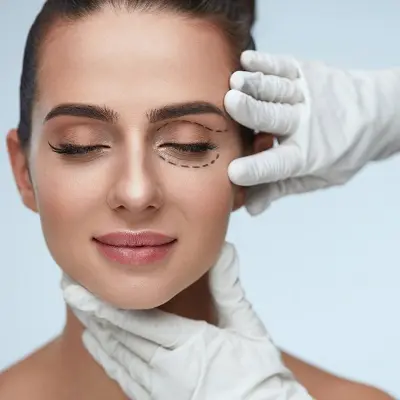
Benefits of Minimally Invasive Plastic Surgery
Posted On Jan 30, 2026Learn about plastic surgery procedures, benefits, risks, and recovery from board-certified experts. Make informed, confident aesthetic decisions.
Plastic surgery has evolved dramatically over the past few decades. What was once associated mainly with major operations and long recovery periods has shifted toward gentler, more refined techniques. Today, minimally invasive Plastic Surgery is becoming a popular choice for individuals seeking aesthetic improvements without the intensity of traditional surgical procedures. These modern approaches focus on subtle enhancements, faster healing, and natural-looking results, making plastic surgery more accessible and appealing to a wider audience.
This article explores the benefits of minimally invasive plastic surgery, how it works, and why it continues to gain attention among people looking for safe, effective cosmetic solutions.
Understanding Minimally Invasive Plastic Surgery
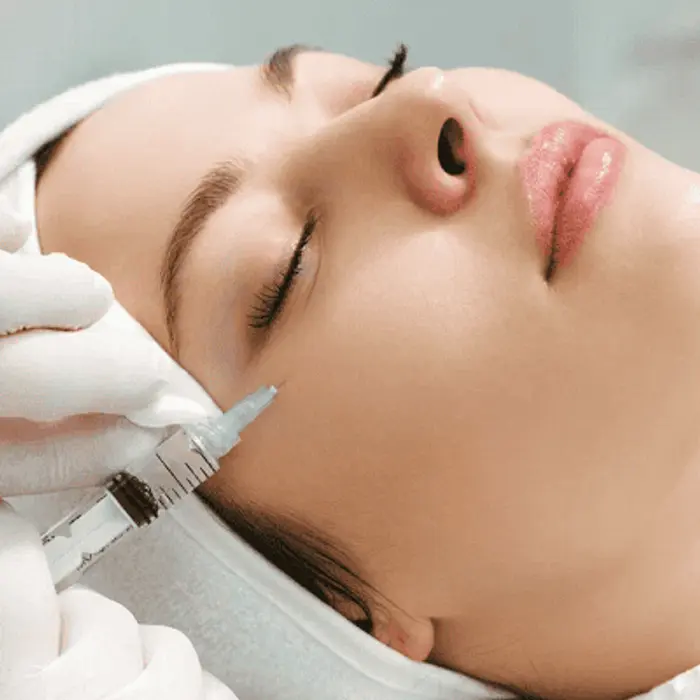
Minimally invasive plastic surgery refers to procedures that enhance appearance using smaller incisions, advanced technology, or non-surgical methods. Instead of extensive cutting and suturing, these treatments often rely on injectables, energy-based devices, or precise surgical tools designed to reduce tissue trauma.
Common examples include injectable treatments, minimally invasive facial contouring, fat reduction techniques, and skin-tightening procedures. While these treatments still fall under the umbrella of plastic surgery, they prioritize efficiency, safety, and patient comfort.
The goal is not dramatic transformation but refinement—helping individuals look refreshed, balanced, and confident while preserving their natural features.
Reduced Downtime and Faster Recovery
One of the most significant benefits of minimally invasive plastic surgery is reduced downtime. Traditional plastic surgery procedures often require weeks of recovery, swelling management, and activity restrictions. Minimally invasive options, by contrast, typically involve shorter healing periods.
Because these procedures cause less disruption to the skin and underlying tissues, the body can recover more quickly. Many individuals return to daily routines within days, and sometimes even the same day, depending on the treatment.
This faster recovery makes plastic surgery more practical for people with busy schedules who want noticeable improvements without taking extended time off from work or personal commitments.
Lower Risk and Enhanced Safety Profile
Minimally invasive plastic surgery generally carries fewer risks compared to more invasive procedures. Smaller incisions or non-surgical approaches reduce the chances of complications such as infection, excessive bleeding, or scarring.
Advanced techniques and modern equipment allow for greater precision, which further enhances safety. Many procedures are performed using local anesthesia or mild sedation rather than general anesthesia, lowering overall risk and improving patient comfort.
While no medical procedure is entirely risk-free, the refined nature of minimally invasive plastic surgery offers reassurance to individuals who may be hesitant about traditional surgical options.
Natural-Looking and Subtle Results
A key reason people choose minimally invasive plastic surgery is the desire for natural-looking results. Rather than dramatic changes, these procedures focus on enhancing existing features and restoring youthful balance.
For example, subtle facial rejuvenation techniques can soften lines, improve skin texture, and enhance contours without altering facial expressions. Body-focused treatments can refine shape and tone while maintaining natural proportions.
This emphasis on subtlety aligns well with modern beauty preferences, where looking refreshed and well-rested is often more desirable than visibly altered.
Personalized Treatment Options
Minimally invasive plastic surgery allows for a highly personalized approach. Treatments can be tailored to an individual’s unique anatomy, aesthetic goals, and lifestyle needs.
Because many of these procedures are adjustable and repeatable, providers can fine-tune results over time. This flexibility supports gradual improvements, which can feel more comfortable and less overwhelming for many people exploring plastic surgery for the first time.
Personalized care also means treatments can be combined strategically, addressing multiple concerns in a balanced and harmonious way.
Cost-Effective Compared to Traditional Surgery
Although pricing varies depending on the procedure and individual needs, minimally invasive plastic surgery is often more cost-effective than traditional surgical options. The reduced need for hospital stays, extensive anesthesia, and long recovery periods can contribute to lower overall expenses.
Additionally, many minimally invasive treatments allow individuals to address concerns incrementally rather than committing to a single, major procedure. This approach provides greater financial flexibility while still delivering visible improvements.
It is important to note that value is not just about cost but also about safety, satisfaction, and long-term results.
Boost in Confidence and Emotional Well-Being
The benefits of minimally invasive plastic surgery extend beyond physical appearance. Many individuals report increased confidence and improved self-image following treatment. Feeling more comfortable with one’s appearance can positively influence social interactions, professional confidence, and overall emotional well-being.
Because results often look natural and gradual, people may feel more like themselves—just refreshed or rejuvenated. This emotional benefit is a powerful reason why minimally invasive plastic surgery continues to attract interest.
When approached thoughtfully and responsibly, plastic surgery can support both aesthetic goals and personal confidence.
Technological Advancements Driving Better Results
Ongoing technological advancements play a major role in the success of minimally invasive plastic surgery. Innovations in imaging, laser technology, ultrasound, and radiofrequency devices allow for precise targeting and controlled results.
These technologies help improve skin quality, stimulate collagen production, and contour facial or body features with minimal disruption. As technology continues to evolve, minimally invasive plastic surgery is expected to become even more effective, predictable, and customizable.
This progress reassures individuals that modern plastic surgery is grounded in science, safety, and continuous improvement.
Suitable for a Wide Range of Ages and Needs
Minimally invasive plastic surgery is not limited to one age group. Younger individuals may seek preventative treatments to maintain skin quality, while older adults may choose rejuvenation options that restore vitality without extensive surgery.
Because these procedures can address early signs of aging, volume loss, skin laxity, or contour concerns, they appeal to a broad audience. This versatility makes plastic surgery more inclusive and adaptable to different life stages.
Careful evaluation and realistic expectations remain essential, but the wide range of options allows individuals to choose treatments aligned with their goals.
Frequently Asked Questions
1. What is the difference between minimally invasive and traditional plastic surgery?
Minimally invasive plastic surgery uses smaller incisions or non-surgical methods, leading to less downtime and quicker recovery. Traditional plastic surgery typically involves more extensive surgical techniques and longer healing periods.
2. Are results from minimally invasive plastic surgery permanent?
Some results are long-lasting, while others may require maintenance over time. Longevity depends on the type of procedure, individual factors, and lifestyle habits.
3. Is minimally invasive plastic surgery painful?
Most procedures involve minimal discomfort. Many treatments use local anesthesia or numbing agents to enhance comfort during and after the procedure.
4. Who is a good candidate for minimally invasive plastic surgery?
Individuals seeking subtle improvements, natural-looking results, and shorter recovery times are often good candidates. A personalized evaluation is essential to determine suitability.
5. Can minimally invasive procedures replace traditional plastic surgery?
In some cases, yes. However, more significant structural changes may still require traditional plastic surgery. Minimally invasive options are ideal for refinement and early intervention.
6. How long does recovery usually take?
Recovery time varies by procedure, but many individuals resume normal activities within a few days. Some treatments require little to no downtime.






;)