Enfield Royal Clinic Oman

 Home
Home  About Enfield Royal Clinic Oman
  Treatments
  Make An Enquiry





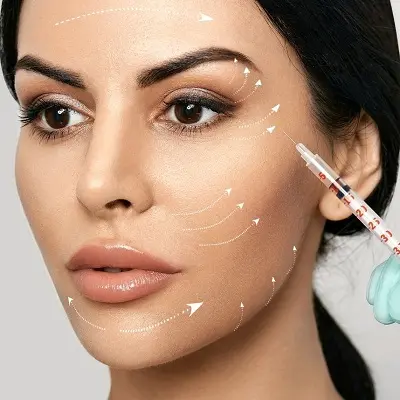
Best Age for Facelift Surgery According to Surgeons
Posted On Jan 22, 2026Facelift surgery helps reduce signs of aging by tightening facial skin and muscles for a more youthful appearance. Learn about benefits, recovery, and results.
Facial aging is a natural process, but the way it shows up can be different for everyone. Some people notice sagging skin in their early 40s, while others maintain firm contours well into their 60s. Because of this variation, one of the most common questions people ask is: What is the best age for facelift surgery?
According to surgeons, there is no single “perfect” age that applies to everyone. Instead, the right time for Facelift Surgery depends on a combination of skin condition, facial structure, genetics, lifestyle, and personal goals. This article explores what experts generally agree on, how age affects results, and how to determine the right timing for you.
Understanding What Facelift Surgery Really Does
Facelift surgery, medically known as rhytidectomy, is designed to reduce visible signs of aging in the face and neck. It primarily addresses sagging skin, deep folds around the nose and mouth, jowls along the jawline, and loose skin on the neck.
Rather than simply tightening the skin, modern facelift surgery focuses on repositioning deeper facial tissues and muscles. This approach creates more natural-looking results and longer-lasting improvements. It’s important to understand that a facelift does not stop aging—it simply turns back the clock by several years.
Why There Is No “One-Size-Fits-All” Age
Surgeons often emphasize that age alone should never be the sole deciding factor. Two people of the same age can have dramatically different facial aging patterns. Factors such as sun exposure, smoking, stress, weight fluctuations, and skincare habits all play a major role.
Some individuals in their late 40s may have significant skin laxity, while others in their late 60s may only show mild sagging. Because of this, surgeons focus more on biological age—how old the face looks and behaves—rather than the number on a birth certificate.
Facelift Surgery in Your 40s: Early Intervention Benefits
Many surgeons agree that the late 40s can be an excellent time for facelift surgery for the right candidate. At this stage, signs of aging are usually just becoming noticeable, such as mild jowls, early sagging, and loss of jawline definition.
One advantage of having facelift surgery in your 40s is skin quality. The skin typically has better elasticity and healing ability, which can lead to smoother results and faster recovery. Additionally, smaller corrections may be needed, allowing for more subtle, natural-looking outcomes.
People who choose facelift surgery at this age often do so to maintain a youthful appearance rather than dramatically change their look. Surgeons frequently describe this as “aging gracefully with a little help.”
Facelift Surgery in Your 50s: The Most Common Age Range
The 50s are often considered the most common decade for facelift surgery. By this time, sagging skin, deeper wrinkles, and jowls are usually more pronounced. Many non-surgical treatments may no longer provide the desired level of improvement, making surgery a more effective option.
Surgeons often say that facelift surgery in the 50s strikes a balance between noticeable aging concerns and still-strong healing capacity. The results can be transformative yet natural, often making patients look refreshed rather than “worked on.”
Another benefit is longevity. A well-performed facelift at this age can deliver results that last 8 to 12 years or longer, especially when combined with good skincare and healthy lifestyle habits.
Facelift Surgery in Your 60s and Beyond: Is It Too Late?
A common myth is that facelift surgery is not suitable after a certain age. In reality, many people in their 60s and even early 70s are excellent candidates. Surgeons focus less on age and more on overall health, skin condition, and expectations.
For older patients, facelift surgery can significantly improve facial contours and restore confidence. While recovery may take slightly longer, advancements in surgical techniques have made the procedure safer and more comfortable for mature patients.
The key factor here is realistic expectations. Facelift surgery can make someone look more youthful and rested, but it won’t make them look decades younger. When expectations are aligned, satisfaction rates remain high even in later years.
How Lifestyle and Genetics Influence the Right Age
Lifestyle choices and genetics can shift the ideal timing for facelift surgery earlier or later. People with strong genetic skin elasticity may age more slowly and delay surgery. On the other hand, individuals with extensive sun damage or a history of smoking may experience earlier skin laxity.
Weight changes also play a role. Significant weight loss can cause facial volume loss and sagging, sometimes prompting earlier consideration of facelift surgery. Surgeons evaluate these factors carefully during consultations to recommend the most appropriate timing.
Emotional Readiness Matters as Much as Physical Age
Surgeons frequently point out that emotional readiness is just as important as physical factors. Facelift surgery should be a personal decision, not one driven by pressure from others or unrealistic beauty standards.
The best candidates are those who want to look like a refreshed version of themselves and understand both the benefits and limitations of the procedure. Being mentally prepared for recovery time and gradual healing is essential for a positive experience.
What Surgeons Look for When Recommending Facelift Surgery
When advising patients, surgeons typically evaluate several key elements:
Degree of skin laxity and sagging
Facial volume loss and muscle positioning
Skin quality and elasticity
Overall physical health
Personal aesthetic goals
These factors help determine not only whether facelift surgery is appropriate, but also what type of facelift technique may be best. Some patients may benefit from less extensive procedures, while others require more comprehensive correction.
FAQs About the Best Age for Facelift Surgery
1. Is there a minimum age for facelift surgery?
There is no strict minimum age, but most surgeons agree that facelift surgery is rarely appropriate before the late 30s or early 40s. Younger patients are usually better suited for non-surgical treatments unless there is significant premature aging.
2. Does having a facelift earlier mean I’ll need another one later?
Possibly, but not always. Facelift surgery does not stop aging, so some patients choose a second procedure many years later. However, having surgery earlier often means less aggressive procedures are needed in the future.
3. Do facelift results look more natural at a certain age?
Natural results depend more on surgical technique and individual anatomy than age. That said, patients with good skin elasticity—often in their 40s and 50s—may experience especially smooth, natural outcomes.
4. Is recovery harder if you’re older?
Recovery can take slightly longer with age, but overall health plays a bigger role. Many people in their 60s recover just as well as younger patients when they are in good physical condition.
5. Can non-surgical treatments delay the need for facelift surgery?
Yes, non-surgical treatments can help maintain skin quality and address early signs of aging. However, once significant sagging develops, facelift surgery remains the most effective option.
6. How long do facelift results usually last?
Results typically last between 8 and 12 years, depending on age, skin quality, and lifestyle. Good skincare and sun protection can help extend the benefits.
Final Thoughts on the Best Age for Facelift Surgery
According to surgeons, the best age for facelift surgery is not defined by a specific number but by individual needs and readiness. Whether someone chooses facelift surgery in their 40s, 50s, or 60s, the goal remains the same: to restore facial harmony and confidence in a natural, balanced way.
The most important step is thoughtful consideration and professional guidance. When done at the right time for the right reasons, facelift surgery can be a highly rewarding option for those seeking long-term facial rejuvenation.






;)