Enfield Royal Clinic Oman

 Home
Home  About Enfield Royal Clinic Oman
  Treatments
  Make An Enquiry





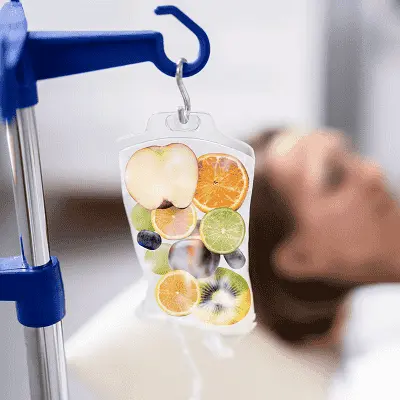
Can an IV Drip Help With Hangovers?
Posted On Feb 10, 2026Discover the benefits of IV drip therapy for hydration, energy, immunity, and recovery. Fast, effective nutrient delivery you can feel.
A hangover can turn what was meant to be a fun night into a sluggish, uncomfortable day. Headaches, nausea, fatigue, dizziness, and dehydration are common complaints that can make even simple tasks feel overwhelming. As people look for faster and more effective ways to recover, IV therapy has gained attention as a potential solution. But can an IV drip really help with hangovers, and how does it work?
This article explores the science behind hangovers, how IV therapy may help relieve symptoms, and what people should know before considering an IV Drip in Muscat for hangover recovery.
Understanding What Causes a Hangover
To understand whether IV therapy can help, it is important to first know what causes a hangover. Alcohol affects the body in multiple ways, and hangover symptoms usually result from a combination of factors rather than a single cause.
Alcohol is a diuretic, meaning it increases urine production. This leads to dehydration, which is a major contributor to headaches, dry mouth, dizziness, and fatigue. Alcohol also irritates the stomach lining, causing nausea and vomiting, and disrupts sleep quality, leaving the body poorly rested.
Another factor is the buildup of acetaldehyde, a toxic byproduct created when the body metabolizes alcohol. Acetaldehyde can trigger inflammation, headaches, and general discomfort. Additionally, alcohol depletes essential vitamins and minerals, particularly B vitamins and electrolytes, which are crucial for energy production and nervous system function.
Because hangovers affect hydration, nutrient levels, and overall balance in the body, effective recovery often requires addressing all of these areas simultaneously.
What Is IV Therapy and How Does It Work?
IV therapy involves delivering fluids, vitamins, minerals, and sometimes antioxidants directly into the bloodstream through an intravenous line. Unlike oral supplements or drinks, IV fluids bypass the digestive system and are absorbed immediately, allowing the body to use them more efficiently.
An IV drip is typically made up of saline solution for hydration, along with added nutrients such as electrolytes and vitamins. Because the body receives these elements directly into circulation, the effects are often felt faster compared to drinking water or taking oral supplements.
In the context of hangover recovery, IV therapy aims to rehydrate the body, restore nutrient balance, and support detoxification processes, potentially reducing symptoms more quickly than traditional remedies.
How an IV Drip May Help With Hangover Symptoms
Many people turn to IV therapy because it targets several hangover causes at once. Here are some of the key ways an IV drip may help:
Rapid Rehydration
Dehydration is one of the main drivers of hangover discomfort. Drinking water can help, but nausea or vomiting often makes it difficult to consume enough fluids. IV therapy delivers hydration directly into the bloodstream, helping restore fluid balance more quickly and effectively.
Replenishing Lost Nutrients
Alcohol consumption can deplete essential vitamins and minerals. IV drips often include B-complex vitamins, vitamin C, and electrolytes, which may help improve energy levels, reduce fatigue, and support normal body functions during recovery.
Supporting Detoxification
The liver works hard to process alcohol and eliminate toxins. Certain nutrients commonly used in IV therapy may help support liver function and assist the body’s natural detoxification processes, potentially easing symptoms like headaches and nausea.
Reducing Headaches and Fatigue
Headaches and exhaustion are among the most common hangover complaints. By addressing dehydration, inflammation, and nutrient deficiencies at the same time, IV therapy may help reduce the severity and duration of these symptoms.
IV Drip in Muscat: Why It’s Gaining Popularity
Interest in wellness and recovery solutions has been growing steadily, and IV therapy is no exception. Many individuals exploring an IV Drip in Muscat are drawn to the idea of fast, targeted relief without relying solely on over-the-counter medications.
People with busy schedules, social lifestyles, or frequent travel often look for efficient ways to recover and get back to daily activities. IV therapy appeals to those who want a more comprehensive approach to hangover recovery, focusing on hydration, nutrients, and overall balance rather than masking symptoms alone.
Additionally, increased awareness about hydration, nutrient deficiencies, and preventive wellness has made IV therapy more mainstream as a supportive option for short-term recovery.
How IV Therapy Compares to Traditional Hangover Remedies
Traditional hangover remedies include drinking water, consuming electrolyte drinks, eating certain foods, resting, and taking pain relievers. While these methods can help, they often work slowly and may not address all symptoms at once.
Oral hydration relies on the digestive system, which may be irritated after alcohol consumption. Nutrient absorption can also be delayed or reduced when the stomach is unsettled. IV therapy, on the other hand, bypasses these limitations by delivering fluids and nutrients directly into circulation.
That said, IV therapy is not a cure for hangovers. It does not eliminate alcohol from the system instantly, nor does it reverse the effects of excessive drinking. Instead, it may support faster recovery by helping the body restore balance more efficiently.
Is IV Therapy Safe for Hangover Recovery?
For generally healthy adults, IV therapy is considered safe when administered appropriately. However, it is not suitable for everyone. People with certain medical conditions, such as kidney issues or heart problems, may need to avoid excessive fluid intake.
It is also important to understand that IV therapy should be seen as a supportive measure, not a license to drink excessively. Relying on IV drips to manage hangovers does not prevent the long-term health risks associated with alcohol consumption.
Anyone considering IV therapy for hangover recovery should be mindful of their overall health, hydration needs, and alcohol habits.
When an IV Drip May Be Most Helpful
An IV drip may be particularly helpful for individuals experiencing moderate to severe hangover symptoms, especially when dehydration and nausea make oral hydration difficult. It may also benefit those who need to recover quickly due to work or personal commitments.
However, mild hangovers can often be managed effectively with rest, fluids, nutritious food, and time. IV therapy is best viewed as an option for those seeking faster relief rather than a necessity for every hangover.
Can IV Therapy Prevent Hangovers?
IV therapy is primarily used for recovery rather than prevention. While being well-hydrated and nutritionally balanced before drinking may reduce the severity of a hangover, no IV treatment can fully prevent hangover symptoms if excessive alcohol is consumed.
The most effective ways to prevent hangovers remain moderation, drinking water between alcoholic beverages, eating before drinking, and getting adequate sleep.
Final Thoughts: Is an IV Drip Worth Considering for Hangovers?
An IV drip may help alleviate hangover symptoms by addressing dehydration, nutrient depletion, and fatigue more efficiently than traditional remedies alone. For those exploring an IV Drip in Muscat, it can be a supportive option for recovery when used responsibly.
However, IV therapy should not replace healthy drinking habits or be seen as a guaranteed fix. Understanding one’s body, drinking in moderation, and prioritizing hydration remain the most reliable strategies for minimizing hangover discomfort.
Frequently Asked Questions (FAQs)
1. How long does it take to feel relief after an IV drip for a hangover?
Many people report feeling improvement within 30 to 60 minutes, though results can vary depending on hydration levels and overall health.
2. Is an IV drip better than drinking water for a hangover?
IV therapy may work faster because it delivers fluids directly into the bloodstream, but drinking water is still effective for mild hangovers.
3. Can IV therapy completely cure a hangover?
No, IV therapy does not cure hangovers. It may help reduce symptoms and support recovery, but time and rest are still necessary.
4. How often can someone use IV therapy for hangovers?
IV therapy should be used occasionally, not regularly. Frequent use to manage hangovers may indicate unhealthy drinking habits.
5. Are there any side effects of IV therapy?
Side effects are generally mild but may include bruising at the injection site or temporary discomfort. It may not be suitable for everyone.
6. Is IV therapy suitable for everyone with a hangover?
Not always. People with certain medical conditions should avoid IV therapy unless advised otherwise. It is important to consider individual health needs.



;)