Enfield Royal Clinic Oman

 Home
Home  About Enfield Royal Clinic Oman
  Treatments
  Make An Enquiry





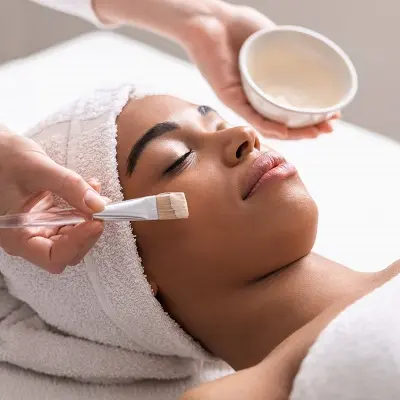
Can Chemical Peels Help Stubborn Acne Breakouts?
Posted On May 19, 2026Discover chemical peels: a skin resurfacing treatment that exfoliates damaged layers, improves texture, reduces acne scars, and reveals glowing skin.
Stubborn acne breakouts can be frustrating, especially when traditional skincare products fail to deliver noticeable improvements. Many people dealing with recurring pimples, clogged pores, and acne-related inflammation often search for advanced skincare solutions that go beyond creams and face washes. One treatment that frequently comes up in these discussions is Chemical Peels in Oman.
Chemical Peels are commonly known for improving pigmentation and skin texture, but they can also play a significant role in managing persistent acne. By exfoliating the skin, clearing clogged pores, and promoting healthier skin renewal, chemical peels may help reduce breakouts and improve overall skin clarity.
For individuals exploring Chemical Peels in Oman, understanding how these treatments work for acne can help set realistic expectations and guide better skincare decisions. This article explores whether chemical peels are effective for stubborn acne, their benefits, potential limitations, and what someone should know before considering treatment.
Understanding Stubborn Acne Breakouts
Acne becomes “stubborn” when breakouts continue despite consistent skincare efforts. These breakouts may appear repeatedly in the same areas and often include inflamed pimples, blackheads, whiteheads, or painful cystic acne.
Several factors contribute to persistent acne, including:
- Excess oil production
- Clogged pores from dead skin cells
- Hormonal fluctuations
- Bacteria buildup on the skin
- Stress and lifestyle habits
- Inappropriate skincare products
In many cases, over-the-counter products may not be enough to manage recurring acne effectively. This is where treatments like chemical peels may become beneficial.
How Chemical Peels Help with Acne
Chemical peels work by applying a specially formulated solution to exfoliate the skin and encourage new cell growth. Since acne often develops due to clogged pores and dead skin buildup, this exfoliation process can directly target some of the root causes.
Unclogging Blocked Pores
One of the biggest ways chemical peels help acne-prone skin is by clearing pore congestion. Dead skin cells and oil buildup can trap bacteria inside pores, leading to breakouts.
Chemical peels help remove:
- Excess oil accumulation
- Dead skin buildup
- Surface impurities
- Pore-clogging debris
This can reduce the frequency of breakouts and improve overall skin cleanliness.
Reducing Excess Oil Production
Some types of chemical peels help regulate oil production. Since oily skin is a major contributor to acne, balancing sebum levels can lower the chances of recurring pimples.
Improving Skin Cell Turnover
Acne-prone skin often experiences uneven or slow cell turnover, which contributes to clogged pores. Chemical peels speed up this renewal process, helping the skin shed damaged cells more efficiently.
Minimizing Post-Acne Marks
In addition to helping active acne, chemical peels may also improve the appearance of dark spots and acne scars left behind after breakouts.
Types of Chemical Peels Commonly Used for Acne
Not every peel works the same way, and different formulations are chosen based on skin concerns and acne severity.
Superficial Chemical Peels
Superficial peels are mild and focus on the outer layer of the skin. They are often suitable for mild acne, blackheads, and oily skin concerns.
Benefits may include:
- Gentle exfoliation
- Reduced clogged pores
- Improved skin brightness
- Minimal downtime
These peels are usually performed in a series for better results.
Salicylic Acid Peels
Salicylic acid-based peels are especially popular for acne-prone skin because they are oil-soluble and penetrate pores effectively.
They may help:
- Reduce blackheads and whiteheads
- Calm mild inflammation
- Clear oily skin buildup
- Improve recurring acne patterns
Glycolic Acid Peels
Glycolic acid peels focus on exfoliation and skin renewal. They may help improve mild acne while also reducing acne marks and uneven texture.
Medium-Depth Peels
For moderate acne or acne scarring, medium-depth peels may provide stronger exfoliation. However, these peels typically involve more downtime and sensitivity.
Are Chemical Peels Effective for Severe Acne?
Chemical peels can help many people with mild to moderate acne, but severe acne requires a more cautious approach.
For individuals with:
- Deep cystic acne
- Active skin infections
- Severe inflammation
- Highly sensitive skin
Chemical peels may not always be the first option. Certain peel strengths can sometimes irritate inflamed acne if not chosen carefully.
That said, some people with stubborn acne notice fewer breakouts after consistent treatment sessions designed specifically for acne-prone skin.
The effectiveness largely depends on:
- The type of acne present
- Skin sensitivity
- Peel selection
- Consistency of treatment
- Post-treatment care
What to Expect After a Chemical Peel for Acne
After a chemical peel, the skin usually enters a renewal phase. Mild redness, dryness, or peeling may occur depending on the peel strength.
During recovery, people may notice:
- Temporary flaking
- Increased sensitivity
- Skin feeling smoother
- Gradual reduction in breakouts
Results are usually not immediate. Acne improvement often becomes visible gradually over several weeks and may require multiple sessions.
Patience is important because skin needs time to heal and regenerate properly.
Important Skincare Tips After Chemical Peels
Proper aftercare plays a major role in achieving good acne results from chemical peels. Since the skin becomes more sensitive after treatment, gentle care is essential.
Helpful aftercare practices include:
Use Gentle Skincare Products
Avoid harsh scrubs or strong active ingredients immediately after treatment.
Stay Consistent with Sun Protection
Sun exposure can worsen irritation and increase pigmentation risks after a peel.
Avoid Picking Acne
Picking at peeling skin or acne can lead to scarring and delayed healing.
Maintain a Healthy Skincare Routine
Keeping the skin clean and hydrated helps support better long-term acne improvement.
Are Chemical Peels in Oman a Good Choice for Acne?
For many people struggling with stubborn acne, Chemical Peels in Oman may be worth considering as part of a broader skincare strategy. They can support clearer skin by improving exfoliation, reducing congestion, and promoting healthier skin turnover.
However, results vary from person to person. Acne severity, skin type, and consistency all influence outcomes. Chemical peels are often most effective when combined with a thoughtful skincare routine and realistic expectations.
Rather than expecting overnight results, individuals may benefit from viewing chemical peels as a gradual process aimed at healthier, clearer skin over time.
Frequently Asked Questions (FAQs)
1. Can chemical peels completely stop acne breakouts?
Chemical peels may significantly reduce breakouts, but they do not permanently cure acne. Results depend on skin type, acne severity, and ongoing skincare habits.
2. How many chemical peel sessions are needed for acne?
The number of sessions varies depending on acne severity and skin response. Mild acne may improve in a few sessions, while stubborn acne may require ongoing treatments.
3. Are chemical peels painful for acne-prone skin?
Most people experience mild tingling or warmth during treatment. Temporary sensitivity afterward is common but usually manageable.
4. Can chemical peels make acne worse at first?
Some individuals may experience temporary purging or mild irritation before improvement becomes noticeable. This often settles as the skin adjusts.
5. Are chemical peels suitable for oily skin?
Yes, certain chemical peels are commonly used for oily and acne-prone skin because they help reduce clogged pores and excess oil buildup.
6. Can chemical peels help acne scars too?
Yes, many chemical peels can improve mild acne scars and post-acne pigmentation by encouraging skin renewal and smoother texture.
Read More About Chemical Peels: https://www.citymapia.com/muscat/enfield-royal-clinic-oman/blog/why-dermatologists-recommend-c-26001



;)