Search your location
All in one digital platform website to city promotions
Confirmation
Are you Sure!!! You want to Unfollow this Business?
Note:- You will not longer be able to see our updates.

Enfield Royal Clinic Oman

 Home
Home  About Enfield Royal Clinic Oman
  Treatments
  Make An Enquiry





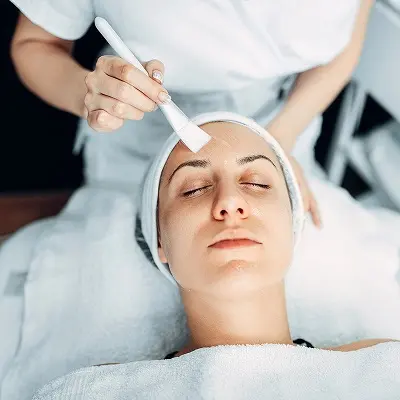
Why Dermatologists Recommend Chemical Peels
Posted On May 19, 2026Discover chemical peels: a skin resurfacing treatment that exfoliates damaged layers, improves texture, reduces acne scars, and reveals glowing skin.
Chemical Peels have become one of the most widely recommended skin treatments in modern skincare routines. They are known for improving skin texture, reducing pigmentation, and giving the skin a refreshed, healthier appearance. Dermatologists often suggest chemical peels because they are effective, customizable, and suitable for a wide range of skin concerns.
Unlike complicated procedures that require long recovery periods, chemical peels offer a relatively simple yet powerful way to rejuvenate the skin. By gently exfoliating the outer layers, they help reveal smoother and more even-toned skin underneath. This makes them appealing for individuals dealing with acne marks, dullness, fine lines, or uneven pigmentation.
Understanding why chemical peels are recommended requires looking at how they work, what benefits they offer, and how they support overall skin health.
What Are Chemical Peels?
Chemical peels are skincare treatments that use specially formulated solutions to exfoliate and remove dead skin cells from the surface of the skin. The process encourages new skin cell growth, resulting in a brighter and smoother complexion.
These treatments are designed to target different layers of the skin depending on the strength of the peel. Some work only on the outermost layer, while others penetrate deeper to address more stubborn skin concerns.
The main purpose of chemical peels is to improve skin texture and appearance by accelerating the skin’s natural renewal process. As dead cells are removed, the skin becomes more receptive to skincare products, allowing them to work more effectively.
How Chemical Peels Work on the Skin
Chemical peels work by applying a controlled acidic solution to the skin. This solution gently breaks down the bonds between dead skin cells, allowing them to shed naturally. Once the damaged outer layer is removed, the skin begins to heal and regenerate.
This controlled exfoliation triggers the body's natural repair process. New skin cells are produced, collagen production may improve, and the overall skin surface becomes more refined.
The depth of the peel determines how intense the process will be. Light peels target the surface layer, while deeper peels can reach the middle layers of the skin for more significant improvements. Regardless of depth, the goal remains the same: to reveal healthier, clearer, and more youthful-looking skin.
Types of Chemical Peels
Chemical peels are generally categorized into three main types, each serving different skin needs and concerns.
Superficial Peels
Superficial peels, also known as light peels, are the mildest form of treatment. They usually involve gentle acids that exfoliate only the outer layer of the skin. These peels are commonly used to improve dullness, mild discoloration, and minor texture issues.
They are often chosen by individuals who want a quick skin refresh with minimal downtime. Since they are gentle, they can be repeated regularly as part of a skincare maintenance routine.
Medium Peels
Medium-depth peels penetrate deeper into the skin and are used for more noticeable concerns such as acne scars, pigmentation, and moderate sun damage. They help improve skin tone and texture more significantly than superficial peels.
These peels may involve a slightly longer recovery period, but they also offer more visible and longer-lasting results.
Deep Peels
Deep chemical peels are the most intensive type and are typically used for more severe skin concerns such as deep wrinkles or significant sun damage. They reach the deeper layers of the skin and provide dramatic improvements in skin appearance.
Because of their strength, deep peels require careful consideration and a longer recovery period. However, the results can be long-lasting and highly transformative when properly managed.
Key Benefits of Chemical Peels for Skin Health
Chemical peels are recommended by skincare professionals for a variety of reasons, mainly because they offer multiple benefits in a single treatment.
One of the most noticeable benefits is improved skin texture. By removing dead skin cells, chemical peels help create a smoother and softer surface. This can make the skin look more radiant and youthful.
They are also effective in reducing hyperpigmentation, including dark spots, sun spots, and uneven skin tone. Regular treatments can help brighten the complexion and create a more balanced appearance.
For individuals struggling with acne, chemical peels can help unclog pores and reduce breakouts. They also assist in fading post-acne marks, which are often difficult to treat with topical products alone.
Another important benefit is the stimulation of collagen production. Collagen is essential for maintaining skin elasticity and firmness. By encouraging its production, chemical peels can help reduce the appearance of fine lines and early signs of aging.
Additionally, chemical peels improve the effectiveness of skincare products. Once the outer layer of dead skin is removed, serums and moisturizers can penetrate more deeply and work more efficiently.
Who Can Benefit from Chemical Peels?
Chemical peels are suitable for a wide range of individuals, but they are especially beneficial for those dealing with specific skin concerns.
People with uneven skin tone or pigmentation issues often see noticeable improvement after undergoing a series of treatments. Those experiencing acne or acne scarring may also benefit, as chemical peels help clear pores and promote skin renewal.
Individuals with dull or tired-looking skin can use chemical peels to restore brightness and glow. They are also commonly recommended for those noticing early signs of aging, such as fine lines or reduced skin elasticity.
However, suitability can vary depending on skin type and sensitivity. Some skin conditions may require milder formulations or alternative treatments. This is why understanding the skin’s condition is important before starting any peel regimen.
What to Expect Before, During, and After a Chemical Peel
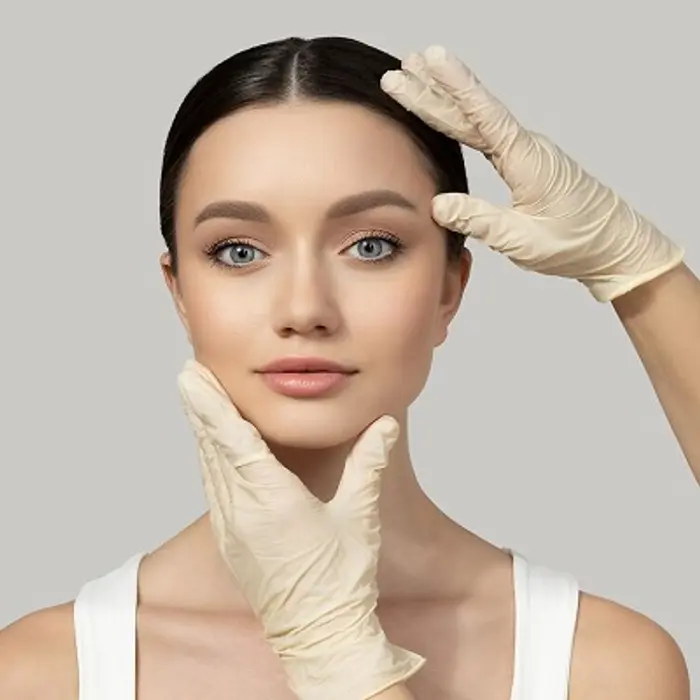
Before a chemical peel, the skin is usually assessed to determine the most appropriate type and strength. Preparation may include adjusting skincare routines to ensure the skin is ready for treatment.
During the procedure, the chemical solution is applied evenly to the skin. A mild tingling or warm sensation may be experienced, depending on the intensity of the peel. The solution is left on for a specific duration before being neutralized or removed.
After the treatment, the skin may appear slightly red or feel sensitive, similar to mild sunburn. In the days following the peel, the outer layer of skin may begin to flake or peel naturally. This is a normal part of the renewal process.
Proper aftercare is essential. This includes keeping the skin moisturized, avoiding sun exposure, and using gentle skincare products. Sunscreen becomes especially important to protect the newly exposed skin layer.
Results typically become more visible as the skin heals, revealing a smoother and more even complexion.
Safety and Possible Side Effects of Chemical Peels
Chemical peels are generally considered safe when performed correctly and suited to the individual’s skin type. However, like any skin treatment, they may have mild side effects.
Temporary redness, dryness, and peeling are common and usually resolve within a few days to a week, depending on the peel strength. Some individuals may also experience slight sensitivity to sunlight.
Deeper peels may involve a longer recovery period, but they are carefully managed to ensure safety and effectiveness. Following aftercare instructions significantly reduces the risk of complications.
Overall, chemical peels remain a trusted and widely used skincare solution because they balance effectiveness with controlled application.
FAQs About Chemical Peels
1. What skin concerns can chemical peels help with?
Chemical peels can help improve acne, acne scars, pigmentation, sun damage, fine lines, and uneven skin texture. They are also effective for dull and tired-looking skin.
2. Are chemical peels suitable for all skin types?
Many skin types can benefit from chemical peels, but the type and strength of the peel must be chosen carefully based on skin sensitivity and condition.
3. How long does it take to see results from chemical peels?
Some improvements may be visible after the first treatment, but optimal results usually appear after a series of sessions, depending on the skin concern being treated.
4. Do chemical peels hurt during the procedure?
Most people experience mild tingling or warmth during the treatment. The sensation is usually temporary and varies depending on the strength of the peel.
5. How often can chemical peels be done?
The frequency depends on the type of peel used. Light peels can be done more frequently, while medium and deep peels require more time between sessions for proper healing.
6. What should be avoided after a chemical peel?
After a chemical peel, it is important to avoid sun exposure, harsh skincare products, and picking at peeling skin. Gentle care and sunscreen are essential for healing.
Read More About Chemical Peels: https://www.citymapia.com/muscat/enfield-royal-clinic-oman/blog/can-green-peels-help-with-25996


;)