Enfield Royal Clinic Oman

 Home
Home  About Enfield Royal Clinic Oman
  Treatments
  Make An Enquiry





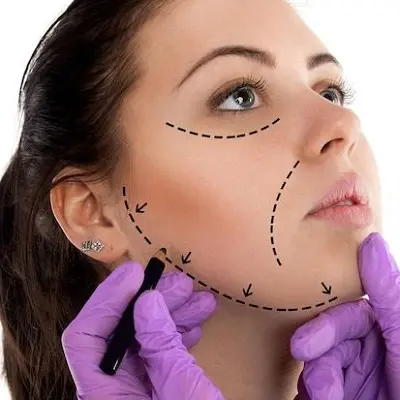
Can Cosmetic Surgery Be Reversed? What to Know
Posted On Jul 3, 2026Explore cosmetic surgery options, procedures, benefits, risks, and recovery tips. Learn how modern treatments enhance appearance and confidence safely now.
Cosmetic surgery has become increasingly popular among people who want to enhance their appearance, restore youthful features, or improve confidence. While many procedures deliver long-lasting and satisfying results, some individuals later wonder if their surgery can be reversed. Changes in personal preferences, aging, lifestyle, health conditions, or unexpected outcomes can all influence this decision.
For anyone considering the Best Cosmetic Surgery in Muscat, understanding the possibility of reversing or revising cosmetic procedures is just as important as learning about the initial treatment. Although some cosmetic surgeries can be partially or completely reversed, others may only be improved through revision procedures rather than restored to their original state.
This guide explains which cosmetic surgeries may be reversible, what factors affect reversal, what patients should expect, and how to make informed decisions before and after surgery.
Understanding Cosmetic Surgery Reversal
Cosmetic surgery reversal refers to procedures that aim to undo, modify, or improve the results of a previous cosmetic operation. However, "reversal" does not always mean returning the body exactly to its original appearance.
Every cosmetic procedure permanently changes tissues to some extent. While modern surgical techniques allow many corrections and revisions, the body's natural healing process, scar formation, and tissue changes can limit how completely a procedure can be reversed.
Instead of thinking about reversal as pressing an "undo" button, it is more accurate to view it as a customized corrective treatment designed to achieve a new aesthetic goal.
Which Cosmetic Procedures Can Be Reversed?
Some cosmetic surgeries are easier to reverse than others. The success of reversal depends on the type of procedure, the amount of tissue removed or altered, and the patient's overall health.
Breast Surgery
Breast procedures are among the most commonly revised cosmetic surgeries.
Breast implant removal is possible if someone no longer wants implants due to personal preference, lifestyle changes, or medical concerns. In some cases, additional procedures such as a breast lift may be recommended to improve breast shape after implant removal.
Breast reductions generally cannot be fully reversed because excess breast tissue has already been removed. However, reconstruction procedures may improve volume and appearance if desired.
Rhinoplasty
Nose reshaping surgery can often be revised, but restoring the nose to its exact original form is usually impossible.
Revision rhinoplasty is more complex than the first procedure because the surgeon must work with scar tissue and altered cartilage. Sometimes cartilage from another part of the body is needed to rebuild nasal structures.
Facelift
A facelift cannot truly be reversed because skin tightening and tissue repositioning permanently alter facial anatomy.
However, revision surgery can address concerns such as excessive tightening, asymmetry, or dissatisfaction with the results. Aging also continues after surgery, which naturally changes facial appearance over time.
Liposuction
Liposuction permanently removes fat cells from treated areas.
Although fat cannot be replaced naturally in the exact same pattern, fat grafting or body contouring procedures may improve certain areas if needed. Weight gain after liposuction affects the remaining fat cells rather than restoring the original body shape.
Eyelid Surgery
Eyelid surgery can sometimes be revised if too much or too little tissue was removed. In certain cases, fat grafting or skin grafting may help improve appearance and eyelid function.
Why Do People Consider Reversing Cosmetic Surgery?
Not every patient seeks reversal because of dissatisfaction. Many people simply experience changes in their lives that influence how they feel about their appearance.
Some common reasons include:
Personal preferences changing over time.
Natural aging altering the original surgical results.
Lifestyle changes.
Pregnancy or weight fluctuations.
Medical concerns.
Cosmetic trends evolving.
Functional issues after surgery.
Desire for a more natural appearance.
Complications from the original procedure.
Unsatisfactory aesthetic results.
It is important to remember that seeking revision does not necessarily mean the original surgery failed. Personal goals often evolve over the years.
Factors That Affect Cosmetic Surgery Reversal
Several factors determine whether reversal or revision is possible and how successful it may be.
Time Since the Original Surgery
Patients should generally allow sufficient healing before considering revision surgery unless there is a medical emergency.
Healing continues for several months after most cosmetic procedures. Swelling, scar maturation, and tissue settling can significantly change the appearance during recovery.
Amount of Tissue Removed
Procedures involving permanent removal of skin, fat, cartilage, or other tissues are usually more difficult to reverse.
For example, replacing removed cartilage during revision rhinoplasty is much more complicated than adjusting breast implants.
Skin Elasticity
Healthy, elastic skin often responds better to revision procedures.
As people age, reduced collagen production can make achieving ideal results more challenging.
Scar Tissue
Every surgery creates scar tissue.
Revision surgery often requires working around existing scars, making the procedure technically more demanding.
Overall Health
Good physical health supports better healing and lowers the risk of complications after revision surgery.
Smoking, uncontrolled medical conditions, and poor nutrition may affect surgical outcomes.
Is Cosmetic Surgery Revision More Difficult?
In many cases, yes.
Revision cosmetic surgery is often more challenging than the initial procedure because the surgeon must manage scar tissue, altered anatomy, reduced tissue availability, and previous surgical changes.
Patients may also have higher expectations during revision surgery, making careful planning and realistic communication especially important.
For this reason, choosing an experienced surgical professional for evaluation and treatment is essential when considering the Best Cosmetic Surgery in Muscat.
What to Expect During the Consultation
Anyone considering cosmetic surgery reversal should begin with a detailed consultation.
The consultation typically includes reviewing medical history, discussing previous surgeries, examining the treatment area, understanding current concerns and desired outcomes, evaluating skin quality and healing, explaining realistic expectations, and creating a personalized treatment plan.
The surgeon may also recommend waiting longer before revision if healing is still ongoing.
Honest communication during this stage helps patients understand what improvements are realistically achievable.
Can Non-Surgical Treatments Help Instead?
Not every concern requires another surgery.
Depending on the situation, non-surgical treatments may improve cosmetic results without undergoing another operation.
Options may include:
Injectable fillers
Skin tightening treatments
Laser procedures
Scar management therapies
Medical-grade skincare
Fat-dissolving treatments in selected cases
While these treatments cannot reverse surgery, they may help refine appearance and delay or eliminate the need for revision surgery.
How to Reduce the Chances of Wanting Reversal
The best way to avoid future regret is careful planning before the first cosmetic procedure.
Patients should clearly understand why they want surgery, maintain realistic expectations, ask detailed questions during consultations, review potential risks and recovery timelines, avoid making decisions based solely on trends, and allow enough time to consider their options before proceeding.
Taking a thoughtful approach often leads to greater long-term satisfaction.
Final Thoughts
Cosmetic surgery can significantly improve confidence and appearance, but no procedure should be viewed as completely permanent or entirely reversible. While many cosmetic surgeries can be revised or improved, returning the body to its exact original condition is often impossible.
Every case is unique, and successful revision depends on factors such as the type of surgery, healing process, tissue changes, and individual goals. Understanding these limitations before undergoing cosmetic surgery helps people make informed, confident decisions.
For individuals researching the Best Cosmetic Surgery in Muscat, discussing both the expected outcomes and the possibilities for future revisions during the initial consultation is an important part of responsible treatment planning. Careful decision-making, realistic expectations, and personalized care remain the foundation of achieving satisfying long-term results.
FAQs
1. Can cosmetic surgery always be reversed?
No. Some procedures can be partially or fully revised, while others permanently change tissues and cannot be completely reversed.
2. How long should someone wait before considering revision surgery?
Most surgeons recommend waiting until the initial healing process is complete, which may take several months depending on the procedure.
3. Is revision cosmetic surgery more complicated than the original procedure?
Yes. Revision surgery often involves scar tissue, altered anatomy, and more detailed surgical planning, making it more technically challenging.
4. Can non-surgical treatments fix cosmetic surgery results?
In some cases, yes. Treatments such as fillers, laser therapy, skin tightening, or scar treatments may improve appearance without additional surgery.
5. Will reversal surgery restore the original appearance completely?
Usually not. The goal is typically to improve appearance or address concerns rather than recreate the exact pre-surgery look.
6. Who is a good candidate for cosmetic surgery revision?
Healthy individuals with realistic expectations, fully healed surgical results, and specific concerns about a previous cosmetic procedure are often good candidates for revision after professional evaluation.
Read More About Cosmetic Surgery: https://eshanasir556.wixsite.com/enfieldclinicoman/post/common-procedures-in-cosmetic-surgery-explained




;)