Enfield Royal Clinic Oman

 Home
Home  About Enfield Royal Clinic Oman
  Treatments
  Make An Enquiry





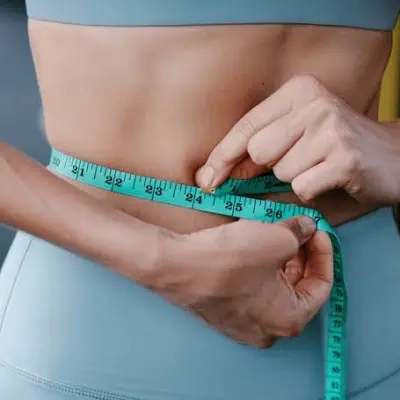
Why Modern Weight Loss Treatment Is More Effective Than Ever
Posted On Jul 7, 2026Achieve lasting results with personalized weight loss treatment. Expert care, customized plans, and healthy strategies to help you reach your goals.
Maintaining a healthy weight has become more challenging than ever due to busy lifestyles, unhealthy eating habits, stress, hormonal changes, and reduced physical activity. While traditional methods such as dieting and exercise remain important, they may not always deliver the desired results for everyone. Fortunately, advances in medical science have transformed the way excess weight is managed, making modern solutions safer, more personalized, and more effective.
Today, Weight Loss Treatment in Oman offers individuals access to evidence-based approaches that focus on long-term health rather than quick fixes. Instead of relying on one-size-fits-all solutions, modern treatments are designed to address the underlying causes of weight gain, helping people achieve sustainable results while improving their overall well-being.
This article explores why today's weight loss treatments are more effective than ever, the different options available, and how they support healthier lifestyles.
Understanding Why Weight Loss Can Be Difficult
Many people believe that losing weight simply requires eating less and exercising more. While these habits are essential, weight management is often far more complex. Several factors can make weight loss difficult, including:
Hormonal imbalances
Slow metabolism
Genetic predisposition
Emotional eating
Poor sleep quality
Chronic stress
Certain medications
Medical conditions affecting metabolism
Modern treatment plans recognize that these factors vary from person to person. Instead of treating everyone the same way, healthcare professionals evaluate individual needs before recommending suitable strategies.
This personalized approach significantly improves the chances of long-term success.
How Modern Weight Loss Treatment Has Evolved
Weight loss treatments have changed dramatically over the past decade. Earlier approaches mainly focused on restrictive diets that were difficult to maintain and often resulted in temporary success.
Today's methods combine medical knowledge, nutritional guidance, behavioral support, and advanced technologies to create comprehensive treatment plans.
Some key improvements include:
Personalized Assessments
Every person's body responds differently to food, exercise, and metabolism. Modern programs begin with detailed assessments that consider:
Body composition
Medical history
Lifestyle habits
Existing health conditions
Weight loss goals
This information helps create a treatment plan tailored to individual needs rather than relying on generalized advice.
Focus on Long-Term Success
Rather than promoting rapid weight loss, modern treatments emphasize healthy, sustainable progress.
Gradual weight reduction is generally easier to maintain and places less stress on the body. It also helps individuals develop healthier habits that continue even after treatment is complete.
Science-Based Strategies
Advances in research have improved understanding of how appetite, hormones, metabolism, and fat storage work.
This scientific knowledge has led to treatment options that target the biological factors contributing to excess weight, making results more consistent than traditional methods alone.
Modern Treatment Options Available
One of the biggest reasons modern weight loss treatments are more effective is the variety of available options. Depending on an individual's health and goals, treatment plans may include one or more approaches.
Lifestyle Modification Programs
Lifestyle changes remain the foundation of successful weight management.
These programs often include:
Personalized meal planning
Physical activity recommendations
Healthy eating education
Portion control strategies
Behavioral coaching
Progress monitoring
Instead of promoting restrictive diets, they encourage balanced nutrition that supports long-term health.
Medical Weight Management
For individuals struggling with obesity or weight-related health conditions, medical management may be appropriate.
Healthcare professionals may recommend carefully monitored treatments that support appetite regulation, metabolism, or calorie balance while ensuring patient safety.
Medical supervision helps ensure that treatment remains effective while minimizing potential risks.
Nutritional Counseling
Nutrition is about more than simply reducing calories.
Professional dietary guidance helps individuals:
Understand food choices
Improve meal timing
Increase nutrient intake
Reduce unhealthy eating patterns
Build sustainable habits
Better nutrition not only supports weight loss but also improves energy levels and overall health.
Behavioral Support
Many people struggle with emotional eating, stress eating, or unhealthy food habits developed over many years.
Behavioral support helps individuals:
Identify eating triggers
Improve self-control
Build healthier routines
Stay motivated
Prevent relapse
Addressing the emotional side of weight management greatly improves long-term success.
Why Personalized Treatment Delivers Better Results
One of the biggest differences between older and modern approaches is personalization.
No two individuals have identical bodies, lifestyles, or health conditions. Personalized treatment considers multiple factors before creating a plan.
Some examples include:
Age
Gender
Activity level
Medical conditions
Hormonal health
Previous weight loss attempts
Personal goals
This customized approach increases treatment effectiveness because recommendations are based on each person's unique circumstances.
Individuals are also more likely to remain committed when treatment fits naturally into their daily routines.
Benefits Beyond Weight Loss
Modern weight loss treatments focus on improving overall health rather than simply reducing body weight.
Many people experience additional benefits such as:
Improved Energy
Carrying less excess weight often allows the body to function more efficiently, leading to higher energy levels throughout the day.
Better Heart Health
Healthy weight management can contribute to improved blood pressure, cholesterol levels, and cardiovascular function.
Enhanced Mobility
Reduced body weight places less pressure on joints, making daily movement easier and more comfortable.
Better Blood Sugar Control
For many individuals, healthy weight reduction supports improved insulin sensitivity and better blood sugar management.
Improved Mental Well-Being
Successfully reaching health goals often boosts confidence, reduces stress, and improves emotional well-being.
These improvements contribute to a better quality of life that extends beyond appearance.
The Importance of Healthy Lifestyle Habits
Even with advanced medical treatments, healthy daily habits remain essential.
Modern programs encourage individuals to develop routines they can maintain for years.
These habits include:
Eating balanced meals
Staying physically active
Drinking enough water
Getting adequate sleep
Managing stress effectively
Monitoring progress regularly
Rather than relying on temporary diets, individuals learn skills that support lifelong health.
This combination of professional treatment and healthy habits produces the most sustainable outcomes.
Who Can Benefit from Weight Loss Treatment?
Modern weight loss treatment may benefit a wide range of individuals.
It can be suitable for people who:
Have difficulty losing weight through diet and exercise alone
Experience obesity-related health concerns
Want medically supervised weight management
Need support maintaining long-term lifestyle changes
Seek healthier body composition rather than rapid weight loss
A comprehensive evaluation helps determine the most appropriate treatment based on each individual's health profile and goals.
Why Professional Guidance Makes a Difference
Attempting to lose weight without proper guidance often leads to frustration, unrealistic expectations, or repeated cycles of losing and regaining weight.
Professional supervision provides several advantages:
Safe treatment recommendations
Individualized planning
Ongoing progress monitoring
Motivation and accountability
Adjustments when needed
Education for long-term success
This continuous support helps individuals stay focused while making healthier choices throughout their journey.
Looking Ahead: The Future of Weight Management
Medical research continues to improve weight management strategies every year.
Future developments are expected to offer even greater personalization through advances in nutrition science, metabolic research, digital health monitoring, and individualized treatment planning.
As technology and healthcare continue evolving, weight loss treatments will likely become even more effective, accessible, and tailored to individual needs.
For people seeking healthier lifestyles, these innovations provide encouraging opportunities for achieving lasting success.
Conclusion
Modern approaches have transformed the way excess weight is managed. Instead of relying solely on restrictive diets or intense exercise routines, today's treatments combine medical expertise, nutritional guidance, behavioral support, and personalized planning to create sustainable results.
Weight Loss Treatment in Oman reflects this modern approach by focusing on long-term health rather than temporary solutions. With individualized care, science-backed strategies, and ongoing support, people have more effective options than ever before to reach their health goals safely and confidently.
Successful weight management is no longer about chasing quick fixes. It is about understanding the body's unique needs, making informed lifestyle changes, and following a personalized plan that promotes lasting health and well-being.
FAQs
1. What makes modern weight loss treatment more effective than traditional dieting?
Modern weight loss treatment focuses on personalized care, medical evaluation, nutritional guidance, behavioral support, and evidence-based strategies rather than relying solely on restrictive diets. This comprehensive approach often leads to more sustainable and long-lasting results.
2. Who is a good candidate for Weight Loss Treatment in Oman?
Individuals who have difficulty losing weight through diet and exercise alone, have weight-related health concerns, or want medically supervised weight management may benefit from treatment after a proper health assessment.
3. Are modern weight loss treatments safe?
When provided under qualified medical supervision, modern weight loss treatments are generally designed with patient safety in mind. The most suitable approach depends on an individual's overall health, medical history, and treatment goals.
4. How long does it take to see results from weight loss treatment?
Results vary depending on the treatment plan, lifestyle habits, metabolism, and individual commitment. Sustainable weight loss is typically gradual, with the focus being on long-term health rather than rapid changes.
5. Is exercise still necessary during weight loss treatment?
Yes. Physical activity remains an important part of a healthy weight management plan. Exercise supports fat loss, improves cardiovascular health, increases strength, and helps maintain weight after treatment.
6. Can weight loss treatment help improve overall health?
Yes. In addition to supporting weight reduction, successful treatment may improve energy levels, mobility, heart health, blood sugar control, sleep quality, and overall quality of life when combined with healthy lifestyle habits.
Read More About Weight Loss Treatment: https://666972af349f3.site123.me/blog/weight-loss-treatment-that-fits-your-lifestyle-and-goals






;)