Enfield Royal Clinic Oman

 Home
Home  About Enfield Royal Clinic Oman
  Treatments
  Make An Enquiry





Dermamelan Treatment: Step-by-Step Process Explained
Posted On Apr 14, 2026Dermamelan Treatment is a professional depigmentation therapy that reduces dark spots, melasma, and uneven skin tone for clearer, radiant skin.
Dermamelan treatment is a professional depigmentation method designed to address stubborn skin pigmentation concerns such as melasma, dark spots, post-inflammatory hyperpigmentation, and uneven skin tone. It is widely recognized in dermatological skincare for its intensive approach that not only targets existing pigmentation but also helps regulate the skin’s melanin production to prevent future discoloration.
Unlike superficial brightening treatments, Dermamelan Treatment works at a deeper level of the skin and follows a structured protocol involving both in-clinic procedures and at-home maintenance care. Understanding how the process works step by step can help individuals know what to expect and how to prepare for the journey toward clearer, more even-toned skin.
Understanding Dermamelan Treatment and How It Works
Dermamelan is a professional-grade depigmentation system that focuses on reducing excessive melanin production in the skin. Melanin is the pigment responsible for skin color, and when it is produced unevenly, it leads to visible dark patches and discoloration.
The treatment is typically used for conditions like melasma, sunspots, age spots, and acne-related pigmentation. It combines both corrective and regulatory actions—meaning it helps fade existing pigmentation while also working to control the skin’s tendency to produce excess pigment in the future.
The process is generally divided into two key phases: the in-clinic application phase and the at-home maintenance phase. Both phases are essential for achieving optimal results.
Step 1: Initial Skin Assessment and Preparation
Before starting dermamelan treatment, a detailed skin assessment is usually conducted. During this stage, the skin’s condition, pigmentation depth, sensitivity level, and overall health are evaluated.
The purpose of this step is to ensure the treatment is suitable for the individual’s skin type and pigmentation concerns. Not all pigmentation issues are the same, so this evaluation helps in customizing the approach.
Once the skin is deemed suitable, the individual is advised on how to prepare for the procedure. This may include avoiding certain skincare products such as exfoliants or retinoids for a few days prior to treatment. The skin is typically kept in a calm and stable condition to ensure it responds well to the procedure.
Step 2: In-Clinic Dermamelan Application Process
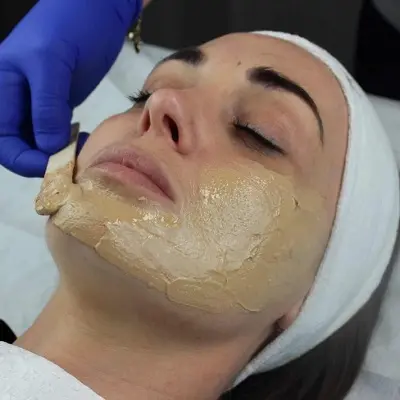
The first active stage of dermamelan treatment takes place in a controlled professional setting. This step involves the application of a specialized depigmenting mask or formula that is designed to penetrate the skin and target melanin activity.
The skin is first cleansed thoroughly to remove oil, dirt, and any product buildup. This ensures maximum absorption of the treatment.
Next, the dermamelan mask is carefully applied in a uniform layer across the affected areas. This mask contains active ingredients that work to inhibit the enzyme responsible for melanin production. Depending on the skin’s sensitivity and pigmentation severity, the mask may be left on for a specific duration before being removed or left to continue acting under guidance.
During this stage, a mild tingling or warming sensation may be experienced, which is considered normal as the active ingredients begin working on the skin.
Step 3: At-Home Maintenance Phase
After the in-clinic session, the treatment continues with a structured at-home skincare regimen. This phase is extremely important because it supports the results achieved during the initial application and helps maintain long-term improvements.
A specially formulated maintenance cream is usually prescribed for daily use. This cream helps regulate melanin production and supports skin healing and renewal.
In addition, patients are often advised to use gentle cleansers, soothing moisturizers, and strict sun protection. Sun exposure is a major trigger for pigmentation, so consistent use of sunscreen is essential throughout the treatment period.
During this phase, the skin may go through visible changes such as mild peeling, redness, or flaking. These are expected reactions as the skin gradually renews itself and sheds pigmented layers.
Step 4: Skin Renewal and Peeling Process
One of the most noticeable parts of dermamelan treatment is the skin renewal phase. After a few days of treatment initiation, the skin begins to exfoliate naturally.
This peeling process is not aggressive but rather controlled and progressive. It helps remove the upper layers of skin that contain excess pigmentation. As these layers shed, fresher and more even-toned skin begins to emerge.
This phase requires patience, as the peeling intensity may vary depending on skin type and pigmentation depth. Proper hydration and gentle skincare practices are essential during this time to support skin recovery.
Step 5: Long-Term Pigmentation Control and Results
Dermamelan is not just about short-term improvement; it is designed for long-term pigment regulation. Over several weeks, the skin gradually appears brighter, more even, and smoother.
Pigmentation spots typically fade in intensity, and overall skin tone becomes more balanced. One of the key advantages of this treatment is its ability to reduce recurrence when proper maintenance is followed.
However, results are not instant. The improvement process is gradual and continues over time as the skin regenerates and melanin activity stabilizes.
Benefits and Important Considerations
Dermamelan treatment offers several benefits for individuals struggling with stubborn pigmentation issues. One of the main advantages is its ability to target pigmentation at its source rather than just masking it.
It is suitable for different types of hyperpigmentation and is often chosen when topical skincare products alone are not effective. The treatment also helps improve overall skin texture, brightness, and clarity.
However, it is important to consider that the process requires commitment. The at-home care phase plays a crucial role, and skipping it can affect results. Temporary side effects such as redness, dryness, or peeling are normal and expected as part of the skin’s renewal process.
Sun protection remains one of the most critical factors in maintaining results, as UV exposure can trigger pigmentation again.
Frequently Asked Questions
1. What is dermamelan treatment used for?
Dermamelan treatment is primarily used to reduce pigmentation issues such as melasma, dark spots, sun damage, and uneven skin tone. It helps regulate melanin production for long-term improvement.
2. How long does it take to see results from dermamelan?
Results typically begin to appear within a few weeks, but full improvement is usually seen over a longer period as the skin continues to renew and pigmentation gradually fades.
3. Is peeling normal during dermamelan treatment?
Yes, mild to moderate peeling is a normal part of the process. It indicates that the skin is shedding pigmented layers and regenerating new, healthier skin.
4. Can dermamelan be used on all skin types?
Dermamelan is generally suitable for most skin types, but a proper assessment is important to determine individual suitability, especially for sensitive skin.
5. Do results from dermamelan last permanently?
Results can be long-lasting, especially with proper skincare and sun protection. However, pigmentation may return if the skin is exposed to triggers such as UV rays or hormonal changes.
6. Is dermamelan treatment painful?
The treatment is not considered painful, although some individuals may experience mild tingling, warmth, or temporary discomfort during the initial application phase.
Read More About Dermamelan Treatment: https://www.citymapia.com/muscat/enfield-royal-clinic-oman/blog/beginners-guide-to-acne-24638






;)