Enfield Royal Clinic Oman

 Home
Home  About Enfield Royal Clinic Oman
  Treatments
  Make An Enquiry





Dermatology Secrets for Glowing Skin in Winter
Posted On Jan 3, 2026Explore expert dermatology care for healthy skin, hair, and nails. Learn about treatments for acne, eczema, psoriasis, skin cancer, and more from certified specialists.
Winter is often seen as a relief from harsh summer heat, but for the skin, it brings a new set of challenges. Cooler temperatures, dry air, and increased indoor heating can quietly strip the skin of its natural moisture, leading to dryness, dullness, irritation, and flare-ups of existing skin concerns. Achieving healthy, glowing skin during winter is not about complicated routines—it’s about understanding what the skin truly needs during this season and following dermatology-backed care strategies.
Dermatology experts consistently emphasize that winter skin care requires a more thoughtful, protective approach. For individuals exploring professional guidance or researching the Best Dermatology in Muscat, understanding seasonal skin behavior is the first step toward long-lasting skin health. This article explores expert-approved winter skin secrets, offering practical, easy-to-follow advice for maintaining radiant skin even in the coldest months.
Why Winter Affects Skin Health More Than You Think
Winter weather can significantly impact the skin barrier. Cold outdoor air holds less moisture, while indoor heating systems further reduce humidity levels. This combination leads to increased water loss from the skin, making it feel tight, flaky, or itchy.
In regions like Muscat, winter may be milder compared to colder countries, but frequent air conditioning, sudden temperature changes, and lower humidity still challenge skin hydration. Dermatology insights reveal that the skin’s oil production decreases in winter, weakening its ability to retain moisture and defend against environmental stressors.
Without proper care, these seasonal changes can worsen conditions such as eczema, psoriasis, acne, and sensitivity. Understanding these effects helps individuals adapt their skincare routines before visible damage appears.
The Dermatologist-Approved Winter Skincare Routine
A winter skincare routine doesn’t need to be complex, but it should be intentional. Dermatology experts recommend focusing on protection, hydration, and repair.
Cleansing should remain gentle. Harsh cleansers or excessive washing can remove essential oils, further drying the skin. Cream-based or non-foaming cleansers are often favored during winter.
Moisturizing becomes non-negotiable. Applying moisturizer immediately after cleansing helps lock in moisture. Ingredients such as ceramides, glycerin, and hyaluronic acid support the skin barrier and maintain hydration throughout the day.
Sun protection is equally important in winter. Many people mistakenly skip sunscreen, but ultraviolet rays remain active year-round. Dermatology professionals stress daily sun protection to prevent pigmentation, premature aging, and skin damage.
Hydration Starts From Within
Dermatology care extends beyond topical products. Internal hydration plays a vital role in maintaining skin glow during winter. Reduced thirst in cooler weather often leads to inadequate water intake, which directly affects skin texture and elasticity.
Experts recommend consistent hydration through water-rich foods and regular fluid intake. Nutrients such as omega-3 fatty acids, vitamin E, and antioxidants support skin repair and reduce inflammation. A balanced diet contributes significantly to winter skin resilience.
Those seeking guidance from the Best Dermatology in Muscat often learn that lifestyle factors—sleep quality, nutrition, and stress management—are just as important as skincare products when it comes to maintaining healthy skin.
Common Winter Skin Concerns and How Dermatology Helps
Winter can trigger or worsen several skin conditions. Dryness and flaking are the most common, but other concerns frequently arise.
Sensitive skin tends to react more during colder months due to a compromised skin barrier. Redness, itching, and irritation may become more noticeable. Dermatology-backed solutions focus on strengthening the skin barrier and reducing exposure to irritants.
Acne may also behave differently in winter. Heavier moisturizers and reduced exfoliation can clog pores if not balanced correctly. Dermatology professionals often recommend customized routines to maintain hydration without triggering breakouts.
Chapped lips and cracked hands are additional seasonal issues. These areas have thinner skin and fewer oil glands, making them more vulnerable. Dermatology advice highlights frequent application of protective balms and barrier creams to prevent discomfort and infection.
Professional Dermatology Treatments That Support Winter Glow
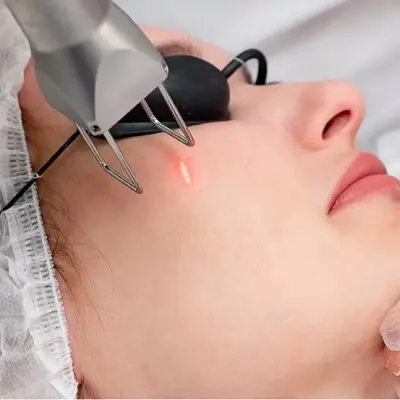
Winter is considered an ideal time for certain dermatological treatments. Reduced sun exposure lowers the risk of post-treatment pigmentation, making it a favorable season for skin renewal.
Hydrating facials, barrier-repair treatments, and gentle exfoliation therapies help remove dull, dead skin while restoring moisture balance. Dermatology experts carefully select treatments based on individual skin type and concerns, ensuring safe and effective results.
For individuals researching the Best Dermatology in Muscat, winter offers an opportunity to focus on long-term skin health rather than just cosmetic fixes. Professional guidance helps address underlying issues while enhancing the skin’s natural glow.
Daily Habits That Make a Big Difference in Winter
Small lifestyle changes can significantly improve skin condition during winter. Dermatology professionals often recommend avoiding long, hot showers, which strip the skin of natural oils. Lukewarm water is gentler and helps preserve moisture.
Humidifiers are another valuable tool, especially in air-conditioned environments. Maintaining indoor humidity supports skin hydration and reduces dryness.
Clothing choices also matter. Soft, breathable fabrics reduce friction and irritation, particularly for sensitive skin. Dermatology advice often includes choosing gentle detergents and avoiding heavily fragranced products during winter months.
Consistency is key. A simple, well-maintained routine delivers better results than frequently changing products or overloading the skin with active ingredients.
When to Seek Dermatology Advice During Winter
While many winter skin issues can be managed with proper care, persistent symptoms should not be ignored. Severe dryness, itching, rashes, or sudden changes in skin appearance may signal underlying conditions requiring professional evaluation.
Dermatology consultation helps identify triggers, adjust routines, and recommend appropriate treatments. Those seeking reliable guidance often look for the Best Dermatology in Muscat to ensure evidence-based care tailored to regional climate and lifestyle factors.
Early intervention not only relieves discomfort but also prevents long-term skin damage, making professional advice a valuable part of winter wellness.
FAQs About Winter Skin Care and Dermatology
Why does skin feel itchier in winter?
Cold air and low humidity weaken the skin barrier, leading to moisture loss and increased sensitivity. This dryness often triggers itching.
Is moisturizer really necessary if skin feels oily?
Yes. Even oily skin needs hydration in winter. Dermatology experts recommend lightweight, non-comedogenic moisturizers to maintain balance.
Can winter worsen existing skin conditions?
Yes. Conditions such as eczema, psoriasis, and acne may flare due to dryness and environmental stress. Proper dermatology-guided care helps manage these changes.
Should sunscreen be used during winter?
Absolutely. UV rays remain active year-round, and sun protection is essential to prevent skin damage and premature aging.
Are professional skin treatments safe in winter?
Winter is often an ideal time for many dermatological treatments due to reduced sun exposure. Professional assessment ensures safety and effectiveness.
How often should a dermatologist be consulted in winter?
Anyone experiencing persistent or worsening skin issues should seek dermatology advice. Even routine check-ins can help optimize winter skincare strategies.
Winter doesn’t have to mean dull, uncomfortable skin. With the right knowledge, consistent habits, and expert dermatology insights, glowing skin is achievable throughout the season. Understanding how winter affects the skin and following professional guidance empowers individuals to protect, nourish, and enhance their skin health—making winter a season of confidence rather than concern.






;)