Enfield Royal Clinic Oman

 Home
Home  About Enfield Royal Clinic Oman
  Treatments
  Make An Enquiry





Facelift Surgery for Loose Skin: Beginner Insights
Posted On Jan 22, 2026Facelift surgery helps reduce signs of aging by tightening facial skin and muscles for a more youthful appearance. Learn about benefits, recovery, and results.
Loose skin on the face is a natural part of aging that many people find frustrating. Sagging cheeks, jowls, and folds along the jawline can affect both appearance and confidence. For those exploring options in Facelift Surgery in Oman, understanding how the procedure works, what to expect, and the potential benefits is key—especially for beginners considering this transformative treatment.
This article offers beginner-friendly insights into facelift surgery for loose skin, explaining the process, recovery, and how it can restore youthful facial contours.
Understanding Loose Skin and Facial Aging
As we age, skin naturally loses collagen and elastin, proteins responsible for firmness and elasticity. Other factors, such as genetics, sun exposure, lifestyle, and weight fluctuations, can accelerate sagging.
Common areas affected by loose skin include:
Cheeks and mid-face
Jawline and jowls
Neck and under the chin
Areas around the eyes and mouth
While non-surgical treatments can improve skin texture and minor sagging, they often cannot address significant loose skin. Facelift surgery targets the root cause by repositioning deeper facial tissues and removing excess skin for a long-lasting solution.
How Facelift Surgery Addresses Loose Skin
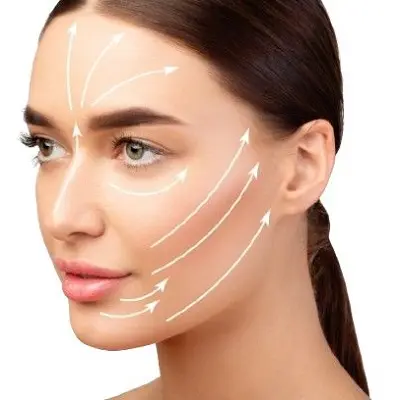
Facelift surgery is designed to lift, tighten, and reposition facial tissue to restore a youthful appearance. Unlike surface-level treatments, it works on multiple layers:
1. Lifting Underlying Tissue
The procedure targets deeper facial structures, including muscles and connective tissue, which lose tone over time. By lifting these layers, surgeons restore natural support for the skin, reducing sagging.
2. Removing Excess Skin
Loose, stretched skin is carefully trimmed to create a smoother, firmer appearance without over-tightening.
3. Enhancing Facial Contours
A facelift also improves overall facial harmony by addressing sagging cheeks, jowls, and jawline definition, leaving a refreshed and natural look.
4. Long-Lasting Results
Because deeper tissues are repositioned and the skin is tightened appropriately, results are more durable than non-surgical treatments, often lasting 8–15 years depending on individual factors.
Modern Techniques for Natural-Looking Results
Several advanced facelift techniques are used to achieve subtle, balanced results:
Deep Plane Facelift: Focuses on lifting the deeper facial layers for natural, long-lasting rejuvenation.
SMAS Lift: Targets the superficial muscular layer beneath the skin to restore structure and contour.
Mini Facelift: Ideal for early signs of sagging or localized loose skin, with shorter incisions and reduced recovery time.
Thread Lift: A minimally invasive option for mild sagging, using absorbable threads to lift skin temporarily.
Choosing the right technique depends on the degree of loose skin, facial anatomy, and desired results.
Preparing for Facelift Surgery
Preparation plays a critical role in the success of facelift surgery in Oman. Beginners should expect several steps before the procedure:
Medical Evaluation: Assessing overall health to ensure safety during surgery.
Lifestyle Adjustments: Quitting smoking, limiting alcohol, and managing medications that may increase bleeding risk.
Planning Recovery: Arranging rest, support, and limited physical activity for the first few weeks after surgery.
Understanding Expectations: Discussing goals with the surgeon to ensure realistic and achievable results.
What to Expect During Surgery
Facelift surgery is usually performed under general anesthesia, and the procedure duration varies depending on technique and complexity, typically ranging from 3 to 6 hours.
During surgery:
Incision Placement: Incisions are made along the hairline and around the ears to minimize visible scarring.
Tissue Repositioning: Deep tissues, including muscles and connective layers, are lifted and repositioned.
Skin Removal: Excess skin is trimmed to eliminate sagging.
Closing Incisions: Carefully placed stitches secure the skin, and dressings are applied.
Modern approaches prioritize subtle lifting, ensuring the results enhance the face without an over-tightened or unnatural look.
Recovery Timeline
Recovery varies per individual, but typical stages include:
First 1–2 Weeks: Swelling and bruising are most noticeable. Patients are advised to rest, avoid strenuous activity, and follow wound care instructions.
Weeks 3–4: Swelling begins to subside, and patients can gradually resume daily activities.
Months 2–6: Final results become more visible as tissues settle and residual swelling resolves. The jawline, cheeks, and mid-face appear more contoured and youthful.
Following post-operative care instructions, including avoiding sun exposure and using recommended skincare, is critical for optimal results.
Benefits of Facelift Surgery for Loose Skin
Patients seeking facelift surgery for loose skin can expect:
A firmer, more youthful appearance
Improved jawline and neck definition
Lifted cheeks and reduced jowls
Balanced and natural facial contours
Long-lasting results compared to non-surgical treatments
By targeting the root causes of sagging rather than just tightening the skin, facelift surgery provides comprehensive rejuvenation.
Potential Risks and Considerations
Like all surgical procedures, facelift surgery carries potential risks:
Temporary swelling, bruising, or numbness
Minor scarring, usually well-hidden
Infection or bleeding
Asymmetry or uneven contours
Rare complications related to anesthesia
Choosing a qualified surgeon and following pre- and post-operative care guidelines helps minimize these risks.
FAQs About Facelift Surgery in Oman
1. How long do facelift results last?
Results typically last 8–15 years, depending on skin quality, lifestyle, and age.
2. Will facelift surgery look natural?
Modern techniques focus on subtle, natural rejuvenation that enhances facial features without creating an over-tightened appearance.
3. How long is the recovery period?
Most patients return to light daily activities within 2–3 weeks, with full results visible after 2–6 months.
4. Is facelift surgery painful?
Discomfort is generally mild and manageable with prescribed medication. Swelling and bruising are temporary.
5. Who is an ideal candidate?
Adults experiencing sagging skin, jowls, or loose facial tissue who are in good overall health and have realistic expectations.
6. Can facelift surgery be combined with other treatments?
Yes, procedures such as neck lifts, eyelid surgery, or fat grafting can be combined for comprehensive facial rejuvenation.
Conclusion
Facelift surgery in Oman offers an effective solution for those dealing with loose skin and the natural signs of aging. By lifting deeper tissues, removing excess skin, and enhancing facial contours, the procedure provides long-lasting, natural-looking results.
For beginners considering facelift surgery, understanding the process—from consultation and preparation to surgery and recovery—helps set realistic expectations and ensures a smoother experience. With the right approach, facelift surgery can restore confidence, rejuvenate appearance, and provide a lasting solution to sagging and loose skin.




;)