Enfield Royal Clinic Oman

 Home
Home  About Enfield Royal Clinic Oman
  Treatments
  Make An Enquiry





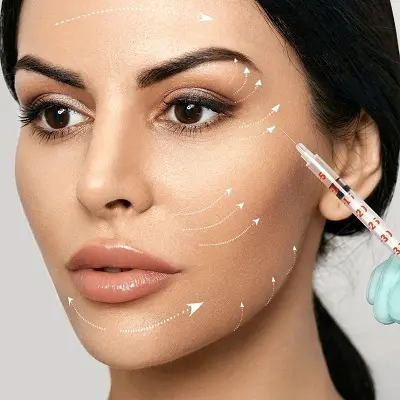
Facelift Surgery Step by Step for First-Timers
Posted On Jan 22, 2026Facelift surgery helps reduce signs of aging by tightening facial skin and muscles for a more youthful appearance. Learn about benefits, recovery, and results.
Considering a facelift for the first time can feel both exciting and overwhelming. For those seeking the Best Facelift Surgery in Muscat, understanding the step-by-step process can make the experience more approachable and reduce anxiety. A facelift is a transformative procedure designed to rejuvenate the face, smooth wrinkles, and restore youthful contours, but knowing what to expect can help patients make informed decisions.
This article walks first-timers through the facelift journey, from initial consultation to recovery, highlighting what to expect at each stage.
Understanding Facelift Surgery
Facelift surgery is a cosmetic procedure aimed at reducing signs of aging on the face and neck. Unlike non-surgical treatments that temporarily smooth skin, a facelift lifts and repositions deeper facial tissues to achieve longer-lasting results. Modern techniques focus on natural rejuvenation, avoiding the overly tight or “pulled” look that older methods sometimes produced.
Patients often pursue a facelift to address:
Sagging cheeks and jowls
Loose skin along the jawline
Deep nasolabial folds
Neck sagging and excess skin
By restoring structure and smoothness, a facelift can dramatically improve overall facial harmony.
Step 1: Consultation and Assessment
The first step in the facelift journey is a detailed consultation. During this appointment, patients meet with a qualified surgeon to discuss goals, concerns, and expectations.
Key aspects of this stage include:
Facial Analysis: The surgeon examines skin elasticity, bone structure, and fat distribution to determine the most suitable technique.
Personalized Plan: Each facelift is tailored to the individual’s facial anatomy and desired results.
Discussion of Techniques: Options may include deep plane lifts, SMAS lifts, mini facelifts, or complementary procedures such as neck lifts.
Medical Review: Patients’ overall health, medications, and lifestyle factors are assessed to ensure safety.
This step is crucial for setting realistic expectations and creating a roadmap for a safe and successful procedure.
Step 2: Preparing for Surgery
Proper preparation helps ensure a smooth surgery and recovery. Surgeons typically provide a checklist that includes:
Medical Clearance: Lab tests or imaging may be requested.
Medication Guidelines: Patients may need to avoid certain medications or supplements that increase bleeding risk.
Lifestyle Adjustments: Quitting smoking and limiting alcohol can improve healing.
Pre-Surgery Instructions: Advice on fasting, skin care, and transportation for the day of surgery.
Preparation sets the foundation for a safe procedure and optimal results.
Step 3: The Surgical Procedure
Facelift surgery is usually performed under general anesthesia, although some techniques may use sedation. The procedure can take several hours, depending on the complexity and combination of treatments.
The typical surgical steps include:
Incision Placement: Incisions are made along the hairline and around the ears to minimize visible scarring.
Tissue Lifting: The surgeon lifts and repositions underlying facial muscles and connective tissues to restore structure.
Excess Skin Removal: Loose or sagging skin is carefully trimmed.
Closing Incisions: Stitches or sutures are used to close the incisions, and dressings are applied.
Modern facelift techniques emphasize precision and subtlety, creating natural-looking rejuvenation rather than an overly tight appearance.
Step 4: Recovery and Post-Operative Care
Recovery is a critical phase of the facelift journey. Most patients experience swelling, bruising, and mild discomfort, which gradually improve over the first two weeks.
Key aspects of post-operative care include:
Wound Care: Keeping incisions clean and following dressing instructions.
Medications: Pain relief and antibiotics may be prescribed to reduce discomfort and prevent infection.
Activity Guidelines: Avoiding strenuous activity, bending, or heavy lifting during early recovery.
Follow-Up Visits: Regular check-ups ensure proper healing and early detection of any complications.
Most patients can return to non-strenuous activities within 2–3 weeks, while full results may take several months to become apparent as swelling fully resolves.
Step 5: Seeing the Results
One of the most exciting parts of facelift surgery is noticing the transformation. Patients can expect:
Improved jawline and neck definition
Lifted cheeks and smoother mid-face contours
Reduced appearance of deep lines and sagging skin
A refreshed, youthful facial appearance that maintains natural expressions
The combination of lifting underlying tissues and tightening the skin creates a balanced, harmonious look.
Tips for First-Timers
For those considering the best facelift surgery in Muscat, the following tips can help enhance the experience and outcome:
Choose an experienced surgeon skilled in modern facelift techniques.
Maintain realistic expectations; subtle, natural results are more desirable than dramatic changes.
Follow all pre- and post-operative instructions carefully to minimize risks.
Consider complementary treatments such as skin resurfacing or fat grafting for optimal facial harmony.
Plan for recovery time and support, including assistance at home if needed during the first few days.
Potential Risks and Considerations
While facelift surgery is generally safe, first-timers should be aware of potential risks:
Temporary swelling and bruising
Numbness or tingling around the surgical area
Infection or bleeding
Scarring, typically minimal and well-hidden
Asymmetry or uneven contours
Choosing a qualified surgeon and following recovery guidelines can significantly reduce these risks.
FAQs About Facelift Surgery in Muscat
1. How long does a facelift last?
Results typically last 8–15 years, depending on skin quality, age, and lifestyle habits.
2. Will the facelift look natural?
Modern techniques focus on subtle, natural rejuvenation, enhancing facial features without an over-tightened appearance.
3. What is the recovery time?
Most patients resume light activities within 1–2 weeks, with full results visible after several months.
4. Can facelift surgery be combined with other procedures?
Yes, procedures like neck lifts, eyelid surgery, or fat grafting can complement a facelift for comprehensive rejuvenation.
5. Is facelift surgery painful?
Discomfort is generally mild and manageable with prescribed medications. Swelling and bruising are normal during the initial recovery period.
6. Who is an ideal candidate for a facelift?
Adults with sagging skin, jowls, or loss of facial contours who are in good overall health and have realistic expectations are typically good candidates.
Conclusion
Facelift surgery is a transformative procedure that can restore youthful contours, lift sagging tissues, and improve overall facial harmony. For first-timers considering the best facelift surgery in Muscat, understanding the step-by-step process—from consultation and preparation to surgery and recovery—helps create a positive experience and informed decision-making.
By choosing modern techniques tailored to individual facial anatomy, patients can achieve subtle, natural-looking results that enhance confidence and maintain their unique appearance. With careful planning, realistic expectations, and proper aftercare, a facelift offers long-lasting rejuvenation and a refreshed, balanced look.





;)