Enfield Royal Clinic Oman

 Home
Home  About Enfield Royal Clinic Oman
  Treatments
  Make An Enquiry





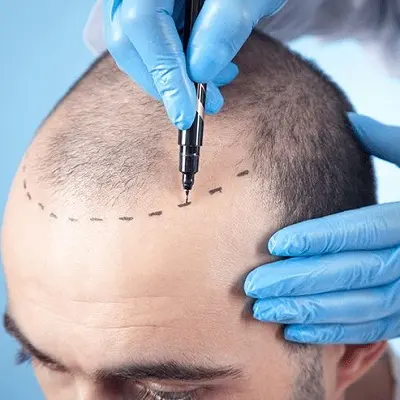
Hair Transplant Aftercare: How to Keep Your Hair Healthy
Posted On Dec 23, 2025Discover expert rhinoplasty procedures to enhance facial harmony and boost confidence. Learn about types, recovery, and what to expect from your nose surgery.
Hair transplants have become an increasingly popular solution for those experiencing hair thinning or hair loss. In Oman, many individuals are exploring this option to regain their confidence and achieve a fuller head of hair. While the procedure itself is crucial, the success of the Best Hair Transplant in Oman greatly depends on proper aftercare. Understanding how to care for transplanted hair can ensure long-lasting results and overall hair health.
Understanding Hair Transplant Recovery
After a hair transplant, the scalp goes through a healing process that requires careful attention. The newly transplanted hair follicles are delicate and need time to establish themselves in their new location. During the first few days after the procedure, patients may experience mild swelling, redness, or scabbing around the transplanted area. These are normal post-surgical symptoms and usually subside within a week.
Proper aftercare not only helps prevent infection but also ensures that the transplanted hair grows effectively. Neglecting post-procedure care can result in poor hair growth or complications, which is why following expert guidance is essential.
Essential Hair Transplant Aftercare Tips
1. Gentle Washing and Scalp Care
For the first week after a hair transplant, it’s crucial to avoid harsh rubbing or scratching of the scalp. Patients are usually advised to wash their hair gently with a mild, non-medicated shampoo. Using lukewarm water and lightly patting the scalp dry helps prevent dislodging the newly implanted follicles.
By the second week, washing can be done more normally, but it’s important to continue being gentle. Avoiding direct pressure on the transplanted area ensures that the hair follicles settle properly.
2. Avoiding Sun Exposure and Heat
Excessive sun exposure can damage the scalp and newly transplanted follicles. Patients are advised to avoid direct sunlight for at least a few weeks following the procedure. Wearing a loose-fitting hat when going outdoors can provide protection without putting pressure on the scalp.
Additionally, heat from hairdryers or saunas should be avoided during the early stages of recovery. Overheating can irritate the scalp and affect hair growth.
3. Refraining from Physical Strain
Strenuous activities, heavy lifting, or intense workouts can increase blood pressure and affect the healing process. For at least two weeks post-transplant, it is recommended to limit physical exertion to allow the scalp to heal properly. Light walks or gentle movements are usually safe, but high-impact activities should be postponed.
4. Healthy Nutrition for Hair Growth
Nutrition plays a key role in hair growth and recovery after a transplant. A diet rich in proteins, vitamins, and minerals helps strengthen hair follicles and promotes faster healing. Foods such as eggs, fish, leafy greens, nuts, and fruits provide essential nutrients for maintaining healthy hair. Staying well-hydrated also supports overall scalp health.
5. Avoiding Hair Styling Products
For at least a month following the procedure, it’s best to avoid hair gels, sprays, or other styling products. These products can irritate the scalp or interfere with the healing process. Once the scalp has fully recovered, gentle styling is generally safe, but it’s advisable to continue using mild, natural products to maintain hair health.
6. Following Medication and Post-Procedure Instructions
Doctors typically prescribe antibiotics or anti-inflammatory medications to prevent infection and reduce swelling. Following the prescribed medication schedule is essential for a smooth recovery. Patients should also attend follow-up appointments to monitor progress and address any concerns promptly.
Common Hair Transplant Myths
Many patients have misconceptions about hair transplant aftercare. One common myth is that transplanted hair will start growing immediately. In reality, hair growth typically begins after a few months, and full results may take up to a year. Another myth is that vigorous washing or scratching can speed up growth, which is entirely false. Patience and gentle care are key to successful results.
Maintaining Long-Term Hair Health
Even after the initial recovery period, maintaining healthy hair is essential. Regular washing, a balanced diet, and protecting the hair from environmental stressors contribute to long-term success. Additionally, using gentle hairbrushes and avoiding excessive chemical treatments can preserve the integrity of the transplanted follicles.
Choosing the Best Hair Transplant in Oman
For those considering hair restoration, seeking the best hair transplant in Oman involves more than just evaluating cost. Patients should research clinics and ensure that the facility follows internationally recognized standards. Understanding the techniques offered, the experience of the medical team, and the aftercare protocols can significantly influence the outcome. Proper planning and informed decision-making lead to better satisfaction and healthier hair in the long run.
FAQs About Hair Transplant Aftercare
1. How soon can I wash my hair after a transplant?
Typically, gentle washing is recommended 2–3 days after the procedure using a mild shampoo and lukewarm water. Vigorous rubbing should be avoided.
2. When will the transplanted hair start to grow?
Hair growth usually begins around 3–4 months post-transplant, with full results visible after 9–12 months.
3. Can I exercise after a hair transplant?
Light activities can resume after a week, but strenuous exercise should be avoided for at least two weeks to prevent complications.
4. Is hair styling safe after a transplant?
Styling should be avoided for the first month. Once the scalp heals, gentle styling with mild products is generally safe.
5. How can I prevent infection after a transplant?
Following the doctor’s prescribed medication, keeping the scalp clean, and avoiding scratching or touching the transplanted area can minimize infection risk.
6. Will my transplanted hair fall out?
Some shedding of transplanted hair is normal within the first few weeks. This is part of the natural cycle, and new growth will emerge over the following months.
Conclusion
Hair transplant aftercare is a vital part of achieving successful and lasting results. By following proper washing routines, avoiding excessive sun and heat, maintaining a nutritious diet, and adhering to medical guidance, individuals can ensure their hair remains healthy and strong. For those seeking the best hair transplant in Oman, understanding and committing to thorough aftercare is just as important as choosing a reputable clinic. With patience, care, and attention, a full, natural-looking head of hair is an achievable and rewarding outcome.

;)