Enfield Royal Clinic Oman

 Home
Home  About Enfield Royal Clinic Oman
  Treatments
  Make An Enquiry





Hair Transplant Pain: My Experience & Tips
Posted On Dec 23, 2025Learn how to prevent and treat hair transplant scars effectively. Discover modern techniques, aftercare tips, and solutions for natural-looking results for a Hair Transplant.
Hair restoration is no longer a hush-hush topic. As conversations around self-care and confidence become more open, many people are exploring surgical hair restoration and wondering about one big concern: pain. This article shares a realistic, third-person account of hair transplant pain—what it feels like, when it happens, and how it can be managed—along with practical tips for comfort and recovery. For readers researching a Hair Transplant in Oman, the goal is to offer clear, helpful, and experience-based guidance without hype or fear.
Understanding Hair Transplant Procedures and Where Pain Fits In
A hair transplant is a medical procedure where hair follicles are moved from a donor area (usually the back or sides of the scalp) to thinning or balding areas. The two most common techniques are follicular unit extraction (FUE) and follicular unit transplantation (FUT). While the techniques differ, the pain-related questions tend to be similar.
Pain is not constant throughout the process. Most discomfort is linked to specific stages: local anesthesia injections, the immediate post-procedure period, and the first few days of healing. Thanks to modern methods and improved pain management, most patients describe the overall experience as far more tolerable than expected.
For individuals considering a Hair Transplant in Oman, it helps to know that many providers follow internationally recognized protocols focused on patient comfort, safety, and recovery.
The Reality of Pain During the Procedure
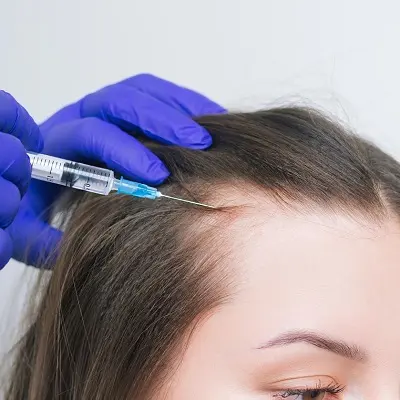
During the procedure itself, pain is usually minimal. Local anesthesia is administered to numb both the donor and recipient areas. The initial injections can cause brief stinging or pressure, often described as uncomfortable rather than painful. This sensation typically lasts only a few minutes.
Once the scalp is numb, most people report feeling pressure, vibration, or movement, but not pain. Some even listen to music, chat casually, or rest during the session. Procedures can last several hours, depending on the number of grafts, but discomfort rarely increases as time goes on.
The key takeaway from this experience-based perspective is that fear of severe pain during surgery is often exaggerated. Anxiety beforehand tends to be worse than the procedure itself.
What Pain Feels Like After a Hair Transplant
Post-procedure discomfort is more noticeable than pain during surgery, but it is usually mild to moderate and temporary. Common sensations include:
Tightness or soreness in the donor area
Mild throbbing or tenderness on the scalp
Swelling around the forehead or eyes during the first few days
Itching as the scalp heals
These sensations typically peak within the first 24 to 72 hours and gradually fade. Most people are able to resume light daily activities within a couple of days, although strenuous exercise is usually postponed for a short period.
Those who undergo a Hair Transplant in Oman often appreciate the warm climate but should be mindful of sun exposure during recovery, as heat can increase swelling or irritation if precautions are not followed.
Factors That Influence Pain Levels
Pain is subjective, and several factors can influence how it is experienced:
Individual pain tolerance: Some people are naturally more sensitive than others.
Technique used: FUE is often associated with less post-operative discomfort than FUT, though both are manageable.
Number of grafts: Larger sessions may result in slightly more soreness simply due to more treated areas.
Aftercare adherence: Following post-procedure instructions closely can significantly reduce discomfort.
Understanding these variables helps set realistic expectations and reduces unnecessary worry.
Practical Tips to Minimize Pain and Discomfort
Based on shared experiences and common medical advice, several practical steps can make recovery smoother:
Follow aftercare instructions carefully: This includes how to sleep, wash the scalp, and protect grafts.
Use prescribed medications as directed: Pain relief and anti-inflammatory medications are typically provided to manage discomfort.
Sleep with head elevation: This helps reduce swelling during the first few nights.
Avoid touching or scratching the scalp: Even mild itching should be managed with approved solutions, not fingernails.
Stay hydrated and eat well: Proper nutrition supports healing and overall comfort.
People planning a Hair Transplant in Oman may also benefit from scheduling the procedure during a time when they can rest indoors for a few days, avoiding excessive heat and sun exposure.
Emotional Comfort and Managing Expectations
Pain is not just physical; anxiety can amplify discomfort. Many individuals report that once they understood what to expect, the process felt far less intimidating. Clear communication, realistic timelines, and understanding the stages of healing all contribute to emotional comfort.
It’s also important to remember that temporary discomfort is part of a longer journey toward visible improvement. Hair growth takes time, and the early recovery phase is just one step in the process.
Why Pain Shouldn’t Be a Deal-Breaker
For most people, hair transplant pain is manageable, short-lived, and far outweighed by the long-term benefits. Advances in techniques, anesthesia, and aftercare have transformed the experience into something far less daunting than it once was.
Those researching a Hair Transplant in Oman often find reassurance in learning that pain management is a priority and that most patients return to normal routines quickly. With proper preparation and care, the experience is more about patience than pain.
Frequently Asked Questions
Is a hair transplant very painful?
Most people describe it as mildly uncomfortable rather than painful. The procedure itself is largely painless due to local anesthesia, and post-procedure discomfort is usually manageable and temporary.
How long does pain last after a hair transplant?
Any soreness or tenderness typically peaks within the first few days and gradually subsides over a week. Mild sensations like itching may last slightly longer as healing continues.
Can pain be completely avoided?
While no medical procedure is entirely sensation-free, modern techniques and medications significantly reduce pain. Most discomfort can be well controlled with proper aftercare.
Does the donor area hurt more than the transplanted area?
Many people report more tightness or soreness in the donor area, especially when sleeping or moving the head, but this usually improves quickly.
Is recovery different for a Hair Transplant in Oman due to climate?
The climate can play a role, especially regarding heat and sun exposure. Following guidance on staying cool and protected during early recovery is important.
When can normal activities be resumed after a hair transplant?
Light activities are often possible within a couple of days, while more strenuous exercise is usually postponed for a short period to ensure proper healing.
By understanding what hair transplant pain really feels like and how it can be managed, readers can approach the decision with confidence rather than fear. With realistic expectations and thoughtful aftercare, the journey toward fuller hair can be far more comfortable than many initially imagine.

;)