Enfield Royal Clinic Oman

 Home
Home  About Enfield Royal Clinic Oman
  Treatments
  Make An Enquiry





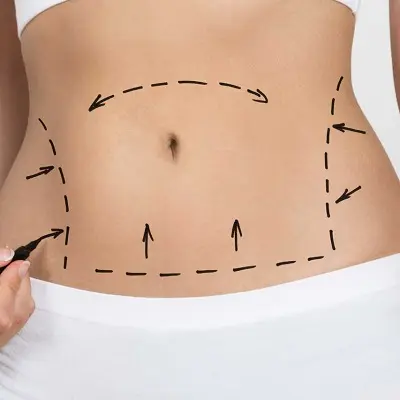
How Much Weight Loss Comes From a Tummy Tuck?
Posted On Jun 22, 2026Tummy tuck (abdominoplasty) removes excess skin and fat from abdomen, tightens muscles, and creates a smoother, firmer midsection appearance.
A Tummy Tuck, medically known as abdominoplasty, is one of the most commonly discussed cosmetic surgical procedures for individuals seeking a flatter, firmer abdominal area. While many people assume it is primarily a weight-loss surgery, its real purpose is slightly different. It is designed to remove excess skin and fat from the abdomen and tighten weakened or separated abdominal muscles, resulting in a more contoured midsection.
Understanding how much weight loss actually comes from a Tummy Tuck is important for setting realistic expectations. The procedure can lead to some reduction on the scale, but its primary benefit is body reshaping rather than significant weight reduction.
What Is a Tummy Tuck?
A Tummy Tuck is a surgical procedure that focuses on improving the appearance of the abdominal area. Over time, factors such as pregnancy, aging, significant weight changes, and genetics can lead to loose skin, stubborn fat deposits, and weakened abdominal muscles.
During the procedure, excess skin is removed, and in many cases, the underlying abdominal muscles are tightened. This helps create a smoother and firmer abdominal profile.
It is important to understand that a Tummy Tuck is not a substitute for weight loss methods such as diet and exercise. Instead, it is typically considered a body contouring procedure for individuals who are already close to their ideal weight but struggle with loose skin or abdominal laxity.
Does a Tummy Tuck Cause Weight Loss?
A common misconception is that a Tummy Tuck is a weight-loss surgery. In reality, the amount of weight lost is usually modest.
Most of the “weight loss” comes from:
- Removal of excess skin
- Removal of localized fat deposits
- Elimination of stretched tissue
However, the actual number on the scale does not typically drop dramatically. Instead, the body appears slimmer and more toned due to improved shape and structure.
Many individuals notice that their clothing fits better immediately after recovery, even if the weight change is not large. This is because the procedure focuses more on contour and proportion rather than overall body mass reduction.
How Much Weight Is Typically Lost After a Tummy Tuck?
On average, the weight loss from a Tummy Tuck is relatively small. Most individuals lose somewhere between 2 to 5 kilograms (approximately 5 to 10 pounds), depending on the amount of excess skin and fat removed.
In some cases where there is a significant amount of loose abdominal tissue, the weight loss may be slightly higher. However, it is still not comparable to weight loss achieved through diet, exercise, or bariatric procedures.
It is also important to note that swelling after surgery may temporarily mask any immediate reduction in weight. As the body heals and fluid retention decreases, the final result becomes more noticeable.
The key takeaway is that the scale does not tell the full story. A Tummy Tuck can significantly improve abdominal appearance without causing major changes in body weight.
Who Is an Ideal Candidate for a Tummy Tuck?
A Tummy Tuck is best suited for individuals who are already close to their ideal body weight but are dealing with specific abdominal concerns.
Ideal candidates often include people who:
- Have loose or sagging abdominal skin
- Experience weakened or separated abdominal muscles (often after pregnancy)
- Struggle with stubborn fat deposits in the lower abdomen
- Have undergone significant weight loss and are left with excess skin
Good candidates should also maintain a stable weight before considering the procedure. Significant weight fluctuations after surgery can affect long-term results.
It is also important that candidates have realistic expectations. The goal is improved body contour and firmness, not dramatic weight reduction.
Benefits of a Tummy Tuck Beyond Weight Loss
While weight loss is minimal, the benefits of a Tummy Tuck extend far beyond the number on the scale.
One of the most significant benefits is improved abdominal contour. The procedure creates a flatter, more toned appearance by removing excess skin and tightening muscles. This can enhance overall body proportions and boost confidence in clothing fit and appearance.
Another benefit is improved posture in some individuals. When abdominal muscles are tightened, it may provide better core support, which can contribute to a more upright posture.
For many people, the psychological impact is also meaningful. Feeling more comfortable in their body often leads to increased motivation for maintaining a healthy lifestyle after surgery.
Additionally, removing excess skin can sometimes improve hygiene and reduce discomfort caused by skin folds, especially in cases of significant skin laxity.
Recovery and Long-Term Results
Recovery after a Tummy Tuck varies from person to person, but it generally requires a period of rest and limited physical activity. Swelling and tightness are common during the early stages of healing.
As the body recovers, the abdominal area gradually becomes flatter and more defined. Full results may take several weeks to a few months to become fully visible.
Long-term results are typically stable, especially when a healthy lifestyle is maintained. Regular exercise and balanced nutrition help preserve the improved abdominal contour.
However, future pregnancy or significant weight gain can affect results, potentially stretching the abdominal area again.
Maintaining Results After a Tummy Tuck
Maintaining the outcome of a Tummy Tuck involves consistent lifestyle habits. While the procedure provides structural improvement, long-term success depends on how the body is managed afterward.
Healthy habits include:
- Maintaining a stable weight
- Engaging in regular physical activity
- Eating a balanced, nutritious diet
- Avoiding major weight fluctuations
These practices help ensure that the abdominal area remains firm and contoured over time.
It is also helpful to follow post-recovery guidelines provided by healthcare professionals, especially during the healing phase, to support optimal results.
FAQs About Tummy Tuck and Weight Loss
1. How much weight is usually lost after a Tummy Tuck?
Most individuals lose a modest amount of weight, typically around 2 to 5 kilograms (5 to 10 pounds), depending on how much skin and fat is removed.
2. Is a Tummy Tuck a weight-loss procedure?
No, a Tummy Tuck is not designed for weight loss. It is a body contouring procedure aimed at removing excess skin and tightening abdominal muscles.
3. Why does the body look slimmer after a Tummy Tuck even with little weight loss?
The abdomen appears flatter because excess skin is removed and muscles are tightened, improving body shape rather than reducing overall weight.
4. Can a Tummy Tuck help with belly fat?
It can remove some localized fat along with excess skin, but it is not a substitute for fat-loss methods like diet and exercise.
5. Will the results of a Tummy Tuck last forever?
Results can be long-lasting if a stable weight and healthy lifestyle are maintained. Significant weight changes or pregnancy can affect outcomes.
6. When will final results be visible after a Tummy Tuck?
While improvements are noticeable early, final results typically become clearer after several weeks to a few months as swelling fully subsides.
Read More About Tummy Tuck: https://www.citymapia.com/muscat/enfield-royal-clinic-oman/blog/what-age-is-best-for-breast-31355







;)