Nose reshaping surgery, commonly known as rhinoplasty, is one of the most detailed and personalized cosmetic procedures available today. It is not simply about changing the appearance of the nose—it involves careful planning, precise technique, and a deep understanding of facial harmony. For individuals considering Nose Reshaping Surgery in Muscat, knowing how surgeons plan the procedure can make the entire experience feel more transparent and reassuring.
Every nose is unique, and so is every surgical plan. Surgeons take a highly customized approach to ensure the final result complements the patient’s facial features while also maintaining or improving nasal function. From the initial consultation to the final surgical blueprint, each step is carefully designed to achieve balanced, natural-looking results.
Understanding the Goals of Nose Reshaping Surgery
Before any surgical plan is created, the first step is understanding the patient’s goals. Some individuals seek cosmetic improvements, while others may need functional corrections to improve breathing. In many cases, both concerns are addressed together.
Common reasons people consider nose reshaping include:
- Reducing or reshaping a nasal hump
- Refining the nasal tip
- Straightening a crooked nose
- Adjusting nostril size or symmetry
- Correcting structural issues affecting breathing
For those exploring Nose Reshaping Surgery in Muscat, the goal is not perfection but harmony. Surgeons aim to create a nose that blends naturally with the rest of the face rather than drawing attention to itself.
The Initial Consultation: Building a Personalized Plan
The consultation is one of the most important stages in planning nose reshaping surgery. During this phase, the surgeon gathers detailed information about the patient’s expectations, medical history, and overall facial structure.
This step often includes:
- A discussion of desired changes
- Review of previous medical or surgical history
- Evaluation of skin thickness and nasal structure
- Identification of any breathing difficulties
Clear communication is essential at this stage. Patients are encouraged to express what they like and dislike about their nose, while surgeons provide realistic guidance about what can be achieved.
For individuals considering Nose Reshaping Surgery in Muscat, this collaborative approach helps ensure that expectations align with achievable outcomes.
Facial Analysis and Structural Assessment
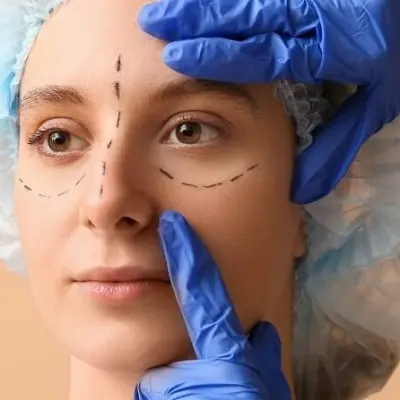
A key part of surgical planning involves a comprehensive facial analysis. The nose does not exist in isolation—it must be evaluated in relation to the eyes, lips, chin, and overall facial proportions.
Surgeons examine several important factors:
Facial Proportions
They assess how the nose fits within the overall balance of the face, including length, width, and projection.
Nasal Structure
The internal and external anatomy of the nose is carefully studied, including bone, cartilage, and soft tissue.
Skin Quality
Skin thickness plays a major role in determining how the final results will appear.
Functional Considerations
Breathing function is evaluated to ensure that any structural corrections improve airflow rather than compromise it.
This detailed assessment helps surgeons design a plan that is both aesthetically pleasing and functionally sound.
Digital Imaging and Visualization Techniques
Modern rhinoplasty planning often includes digital imaging tools that allow patients to visualize potential outcomes. These simulations provide a helpful reference point during the planning process.
Through digital imaging:
- Patients can see a projected version of their results
- Surgeons can demonstrate achievable changes
- Adjustments can be discussed before surgery
It is important to note that these images are not guarantees but rather guides. They help align expectations and improve communication between the patient and surgeon.
For those researching Nose Reshaping Surgery in Muscat, this step adds clarity and confidence to the decision-making process.
Choosing the Right Surgical Technique
Once the analysis is complete, the surgeon selects the most appropriate surgical technique. The choice depends on the complexity of the case and the desired changes.
Open Rhinoplasty
This technique involves a small incision at the base of the nose, allowing full visibility of the internal structures. It is often used for more complex reshaping.
Closed Rhinoplasty
All incisions are made inside the nostrils, leaving no visible scars. This method is typically used for less extensive adjustments.
Structural Refinement
In some cases, cartilage may be reshaped, repositioned, or supported to achieve the desired outcome.
The selected technique is tailored to the individual, ensuring precision and optimal results.
Creating a Step-by-Step Surgical Plan
After determining the technique, the surgeon develops a detailed surgical plan. This plan outlines each step of the procedure and serves as a roadmap during surgery.
The plan may include:
- Areas of bone reshaping
- Cartilage adjustments
- Tip refinement techniques
- Corrections for breathing issues
- Symmetry improvements
This structured approach allows the surgeon to work with accuracy and consistency. It also ensures that both aesthetic and functional goals are addressed simultaneously.
For individuals considering Nose Reshaping Surgery in Muscat, this level of planning highlights the precision and expertise involved in the procedure.
Preparing the Patient for Surgery
Preparation is an essential part of the planning process. Patients are given guidance on how to get ready for the procedure to ensure safety and smooth recovery.
Preparation steps may include:
- Avoiding certain medications or supplements
- Maintaining a healthy lifestyle
- Arranging post-surgery support
- Following pre-operative instructions carefully
Understanding what to expect helps reduce anxiety and allows patients to feel more in control of the process.
Post-Surgery Planning and Recovery Expectations
Surgical planning does not end once the procedure is complete. Recovery is a crucial phase that influences the final outcome.
Patients are typically advised on:
- Managing swelling and bruising
- Protecting the nose during healing
- Attending follow-up appointments
- Gradually returning to normal activities
Results develop over time, with initial swelling subsiding within weeks and final results becoming more visible over several months.
For those undergoing Nose Reshaping Surgery in Muscat, patience during the recovery phase is key to achieving the best possible outcome.
Achieving Natural and Long-Lasting Results
The ultimate goal of nose reshaping surgery is to create results that look natural and last over time. This is achieved through careful planning, precise execution, and attention to detail.
A well-planned procedure ensures:
- Balanced facial proportions
- Improved nasal function
- Subtle, natural-looking enhancements
- Long-term stability
By focusing on harmony rather than dramatic change, surgeons aim to enhance the patient’s appearance while preserving their unique identity.
Frequently Asked Questions (FAQs)
1. How do surgeons decide the shape of the nose during reshaping surgery?
Surgeons base the shape on facial proportions, patient preferences, and structural considerations to ensure a balanced and natural result.
2. Is digital imaging accurate for predicting results?
Digital imaging provides a helpful visual guide but is not an exact prediction. It helps align expectations between the patient and surgeon.
3. Can nose reshaping surgery improve breathing issues?
Yes, functional corrections can be included in the surgical plan to improve airflow and overall nasal function.
4. How long does it take to plan a rhinoplasty procedure?
Planning may take one or more consultations, depending on the complexity of the case and the level of customization required.
5. Are results permanent after nose reshaping surgery?
Results are generally long-lasting, although minor changes may occur over time as part of the natural aging process.
6. What makes Nose Reshaping Surgery in Muscat unique?
The procedure follows global standards while considering individual facial features, cultural preferences, and personalized treatment goals.
Read More About Nose Reshaping Surgery: https://www.citymapia.com/muscat/enfield-royal-clinic-oman/blog/does-nose-reshaping-surgery-25491


 Home
Home  About Enfield Royal Clinic Oman
  Treatments
  Make An Enquiry










;)