Enfield Royal Clinic Oman

 Home
Home  About Enfield Royal Clinic Oman
  Treatments
  Make An Enquiry





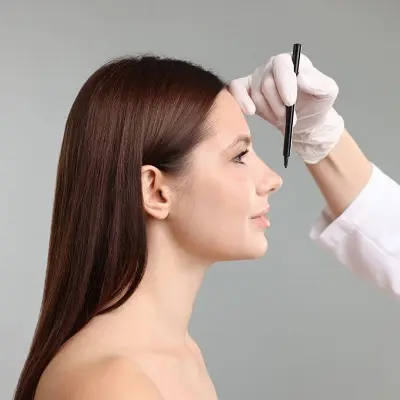
How Swelling Affects Recovery After Rhinoplasty Surgery
Posted On Jun 11, 2026Discover rhinoplasty surgery to reshape your nose, improve breathing, and enhance facial balance with safe, expert care and results.
Rhinoplasty surgery is one of the most commonly performed cosmetic and functional procedures for reshaping the nose and improving breathing concerns. While the results can be transformative, the recovery process is gradual and requires patience—especially when it comes to swelling. Swelling is a completely natural response after surgery, but many patients undergoing Rhinoplasty Surgery in Oman are often curious about how long it lasts, why it happens, and how it influences the final appearance of the nose.
Understanding swelling is essential for setting realistic expectations and ensuring a smooth recovery journey. This article explores how swelling develops after rhinoplasty, how it changes over time, and what can be done to manage it effectively.
Understanding Swelling After Rhinoplasty Surgery
Swelling after rhinoplasty is the body’s natural healing response to surgical trauma. During the procedure, tissues, bone, and cartilage are reshaped, which temporarily disrupts blood flow and triggers inflammation. As the body works to repair itself, fluid accumulates in the treated area, leading to visible puffiness around the nose, eyes, and sometimes even the upper cheeks.
In the early stages, swelling is more noticeable and can make the nose appear larger or uneven. This is completely normal and does not reflect the final outcome of the surgery. Over time, as healing progresses, the swelling gradually reduces and the refined shape of the nose becomes more defined.
Patients who undergo Rhinoplasty Surgery in Oman are often advised that swelling is part of a long healing journey, and final results may take several months to fully emerge.
Why Swelling Happens After Rhinoplasty Surgery in Oman
Swelling occurs for several reasons, and understanding these helps patients feel more confident during recovery. After rhinoplasty, the body activates its natural defense and repair systems. This involves increased blood flow and white blood cell activity in the surgical area, which leads to fluid buildup.
Several factors contribute to swelling after Rhinoplasty Surgery in Oman, including:
- Surgical manipulation of bone and cartilage
- Disruption of soft tissues and blood vessels
- Natural inflammatory response of the body
- Post-operative fluid retention
- Individual healing characteristics
Environmental factors can also play a minor role in recovery comfort. Warm climates, for example, may temporarily increase the sensation of puffiness, although proper post-operative care helps manage this effectively.
Timeline of Swelling After Rhinoplasty Surgery
Swelling does not remain constant—it follows a predictable but gradual timeline. While each patient heals differently, the general pattern is similar for most individuals.
First Week: Peak Swelling Phase
During the first few days after surgery, swelling is at its highest. The nose may look enlarged, and there may also be bruising around the eyes. This is the body’s immediate response to surgical intervention. Cold compresses and head elevation are often recommended during this stage to help control inflammation.
Weeks 2 to 4: Noticeable Improvement
As the second week begins, visible swelling starts to decrease significantly. Bruising fades, and the nose begins to look more natural. However, subtle puffiness—especially around the nasal tip—may still remain.
Months 1 to 3: Gradual Refinement
During this stage, most of the swelling has subsided, but deeper tissue swelling can still persist. The nose continues to refine and adjust as internal healing progresses.
6 Months to 1 Year: Final Results Emerge
Residual swelling, especially in thicker skin types, may take up to a year or longer to fully resolve. By this stage, the final shape of the nose becomes clearly visible, revealing the intended outcome of Rhinoplasty Surgery in Oman.
Factors That Influence Swelling After Rhinoplasty
Not all patients experience swelling in the same way. Several factors influence its intensity and duration:
Skin thickness plays a major role. Individuals with thicker skin may notice longer-lasting swelling compared to those with thinner skin. The complexity of the surgery also matters—more extensive reshaping typically leads to more swelling.
Lifestyle habits can affect recovery as well. For instance, smoking, poor hydration, or lack of rest may slow down the healing process. On the other hand, following post-operative guidelines carefully can significantly improve recovery speed.
Even the natural healing response of the body varies from person to person, meaning that swelling timelines are never identical for all patients undergoing Rhinoplasty Surgery in Oman.
How Swelling Affects Recovery and Final Results
Swelling can temporarily mask the true outcome of rhinoplasty. In the early stages, the nose may look asymmetrical or larger than expected, which can cause unnecessary concern for patients. However, this is part of the normal healing progression.
One of the most important things to understand is that swelling does not indicate the final shape of the nose. As the inflammation subsides, the nasal structure becomes more refined and balanced. The tip of the nose is usually the last area to fully settle, which is why patience is essential during recovery.
Psychologically, swelling can sometimes affect a patient’s perception of progress. Regular follow-ups and understanding the healing timeline can help manage expectations and reduce anxiety during the recovery phase of Rhinoplasty Surgery in Oman.
Tips to Manage Swelling After Rhinoplasty Surgery
While swelling cannot be completely avoided, it can be effectively managed with proper care. Patients are often encouraged to follow simple but important recovery practices.
Keeping the head elevated while resting or sleeping helps reduce fluid buildup. Cold compresses during the early days can also minimize inflammation and discomfort. Staying well-hydrated supports the body’s natural healing processes and helps reduce swelling more efficiently.
Avoiding strenuous activities, heavy lifting, or anything that increases blood pressure in the face is also important during early recovery. Additionally, reducing salt intake can help prevent water retention, which may worsen swelling.
Protecting the nose from accidental impact is equally important, as trauma during healing can prolong swelling and delay recovery progress.
When Swelling Becomes a Concern
In most cases, swelling after rhinoplasty is completely normal. However, certain signs may indicate the need for medical attention. If swelling suddenly increases after initially improving, or if it is accompanied by severe pain, redness, or unusual discharge, it may require evaluation.
Persistent swelling that does not gradually improve over several months should also be assessed to ensure proper healing. Fortunately, complications are rare, and most patients recovering from Rhinoplasty Surgery in Oman experience steady and predictable improvement.
Frequently Asked Questions
1. How long does swelling last after rhinoplasty surgery?
Swelling typically reduces significantly within a few weeks, but subtle swelling can take up to 6–12 months to fully disappear as the nose refines.
2. Is swelling worse in the tip of the nose?
Yes, the nasal tip often retains swelling longer than other areas due to thicker skin and limited circulation in that region.
3. Can swelling change the final shape of the nose?
No, swelling only temporarily affects appearance. The final results become visible once all internal healing is complete.
4. What can help reduce swelling faster?
Keeping the head elevated, staying hydrated, avoiding salt, and following post-operative instructions can help reduce swelling more efficiently.
5. Is it normal for swelling to come and go?
Yes, mild fluctuations in swelling are normal during the healing process, especially in the first few months.
6. When should a patient be concerned about swelling?
If swelling increases suddenly, persists without improvement, or is accompanied by pain or infection signs, medical advice should be sought.
Read More About Rhinoplasty Surgery: https://www.citymapia.com/muscat/enfield-royal-clinic-oman/blog/who-is-a-good-candidate-for-29798






;)