Enfield Royal Clinic Oman

 Home
Home  About Enfield Royal Clinic Oman
  Treatments
  Make An Enquiry





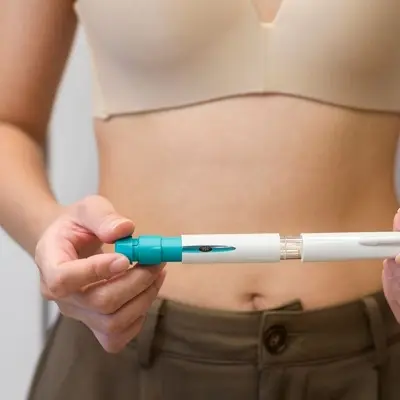
How to Reduce Pain from Ozempic Injection in Oman
Posted On May 11, 2026Ozempic injection is a prescription medicine used to improve blood sugar control in adults with type 2 diabetes. Learn uses, dosage, and side effects.
Ozempic injection has become a widely discussed treatment option for managing type 2 diabetes and supporting weight management in many parts of the world, including Oman. While the medication is effective and convenient due to its once-weekly dosing, some individuals may experience mild to moderate discomfort during or after the injection.
The good news is that injection-related pain is usually temporary and can be significantly reduced with the right techniques and habits. This article explains practical, evidence-based ways to minimize discomfort from Ozempic Injection in Oman, while also helping readers in Oman better understand how to make the process smoother and more comfortable.
Understanding Ozempic Injection and Why Pain May Occur
Ozempic is a prescription medication administered through a subcutaneous injection, meaning it is injected into the fatty layer just under the skin. It is commonly used for blood sugar control in type 2 diabetes and is sometimes prescribed for weight management under medical supervision.
Even though the needle used for Ozempic is very small, some people may still feel discomfort due to:
- Skin sensitivity at the injection site
- Anxiety or tension before injecting
- Incorrect injection technique
- Injecting into the same area repeatedly
- Using cold medication straight from the refrigerator
For most users in Oman and elsewhere, the pain is mild and short-lived, often described as a slight sting or burning sensation that disappears quickly.
Choosing the Right Injection Site Carefully
One of the most effective ways to reduce Ozempic injection pain is selecting the correct injection site. The medication is typically injected into areas with a layer of fat, which helps reduce discomfort and improve absorption.
Common recommended areas include:
- Abdomen (avoiding a 2-inch area around the navel)
- Front of the thighs
- Upper outer arms (if assisted by another person)
Rotating injection sites is equally important. Repeated injections in the same spot can cause irritation, tenderness, or small lumps under the skin, which may increase pain over time.
People using Ozempic Injection in Oman are often advised to create a rotation schedule, such as switching sides of the abdomen or alternating between thigh and abdomen weekly.
Preparing the Injection Properly Before Use
Proper preparation plays a key role in reducing injection discomfort. Many users overlook this step, but small adjustments can make a noticeable difference.
Key preparation tips include:
- Allowing the pen to reach room temperature before use (cold injections can sting more)
- Checking that the solution is clear and free of particles
- Ensuring hands are clean before handling the injection pen
- Removing air bubbles if instructed by the medication guide
Warming the medication slightly before use is particularly helpful, as injecting cold liquid into the skin often increases sensitivity and discomfort.
Using the Correct Injection Technique
Even with a small needle, technique matters greatly. A correct injection method ensures minimal pain and reduces the risk of irritation.
Best practices include:
- Pinching a fold of skin gently before injecting
- Inserting the needle at a 90-degree angle unless otherwise advised
- Injecting slowly rather than quickly
- Holding the pen in place for a few seconds after the dose is delivered
- Avoiding rubbing the area immediately after injection
Slow and steady administration helps the medication distribute evenly and reduces the likelihood of burning sensations.
Many individuals using Ozempic Injection in Oman find that practicing consistent technique significantly reduces discomfort over time.
Reducing Anxiety and Muscle Tension Before Injection
Pain perception is not only physical but also psychological. Anxiety or fear before an injection can cause muscles to tense up, making the process feel more painful than it actually is.
To help reduce this:
- Take slow, deep breaths before injecting
- Keep the injection area relaxed, not tight or clenched
- Perform injections in a calm, comfortable environment
- Use distraction techniques like listening to music or focusing on breathing
Relaxed muscles allow the needle to enter more smoothly, which reduces the sensation of pain.
Aftercare Tips to Minimize Discomfort
What happens after the injection is just as important as the injection itself. Proper aftercare can reduce soreness and prevent irritation.
Helpful aftercare practices include:
- Applying gentle pressure with a clean cotton pad if needed
- Avoiding rubbing or massaging the injection site
- Using a cool compress if mild swelling or discomfort occurs
- Wearing loose clothing to avoid friction on the area
Most mild discomfort from Ozempic injections resolves within a few hours, and proper aftercare helps speed up this process.
Common Mistakes That Increase Injection Pain
Some habits unintentionally increase discomfort during Ozempic use. Being aware of these mistakes can help users avoid unnecessary pain.
Common errors include:
- Injecting into the same spot repeatedly
- Using a cold pen straight from the refrigerator
- Injecting too quickly or forcefully
- Not allowing alcohol used for cleaning to dry fully before injection
- Tensing muscles during the injection
Correcting these small mistakes can dramatically improve comfort levels for individuals using Ozempic Injection in Oman.
Building Confidence for Long-Term Use
For many patients, the idea of weekly injections can feel intimidating at first. However, most users become comfortable after a few doses as they develop routine and confidence.
Over time, the process becomes:
- Faster
- Less stressful
- Nearly painless or only mildly noticeable
Healthcare guidance and consistent technique play an important role in building this confidence. With proper habits, Ozempic injections become a manageable part of a treatment routine rather than a source of discomfort.
FAQs About Reducing Pain from Ozempic Injection in Oman
1. Why does Ozempic injection sometimes hurt?
Pain can occur due to cold medication, improper technique, sensitive skin, or injecting into the same area repeatedly. Most discomfort is mild and temporary.
2. How can pain be reduced before injecting Ozempic?
Allowing the pen to reach room temperature, relaxing the body, and choosing a clean, fatty injection site can significantly reduce pain.
3. Is it normal to feel burning after Ozempic injection?
A mild burning sensation may occur in some users but usually fades quickly. Persistent or severe pain should be discussed with a healthcare professional.
4. Does rotating injection sites really help?
Yes, rotating sites prevents skin irritation and tissue buildup, making injections more comfortable over time.
5. Can Ozempic be injected cold?
It is possible, but not recommended, as cold medication often increases discomfort during injection.
6. How long does injection pain usually last?
Most injection-related discomfort lasts only a few seconds to a few minutes and typically resolves without treatment.
Ozempic injection, when used correctly, is generally well tolerated. With proper technique, preparation, and awareness, individuals using Ozempic Injection in Oman can significantly reduce or even eliminate discomfort, making treatment easier and more manageable.
Read More About Ozempic Injection: https://www.citymapia.com/muscat/enfield-royal-clinic-oman/blog/can-beginners-self-administer-25414






;)