Enfield Royal Clinic Oman

 Home
Home  About Enfield Royal Clinic Oman
  Treatments
  Make An Enquiry






How to Sleep Comfortably After Breast Surgery
Posted On Jul 8, 2026Explore expert breast surgery options including augmentation, reduction, lift, and reconstruction. Personalized care with safe, advanced surgical techniques.
Recovering from breast surgery involves much more than simply allowing the body to heal. One of the biggest challenges many people face during the recovery period is getting comfortable enough to enjoy a good night's sleep. Since sleep plays a vital role in tissue repair, reducing inflammation, and restoring energy, finding the right sleeping position and creating a supportive sleep environment can make a significant difference in the healing process.
For individuals considering or recovering from Breast Surgery in Oman, understanding the best sleeping practices can help improve comfort while minimizing unnecessary pressure on the surgical area. Whether the procedure involves breast augmentation, reduction, reconstruction, or a breast lift, following proper sleeping recommendations can contribute to a smoother and more comfortable recovery.
Why Sleep Is So Important After Breast Surgery
Sleep is one of the body's most effective healing tools. During deep sleep, the body repairs damaged tissues, strengthens the immune system, and regulates inflammation. After breast surgery, these natural healing processes become even more important.
Poor sleeping habits may lead to increased swelling, discomfort, muscle stiffness, and prolonged recovery. On the other hand, proper sleep positioning helps reduce strain on the chest muscles while supporting healthy blood circulation.
People recovering from Breast Surgery in Oman are often advised to prioritize quality sleep throughout the first several weeks after surgery, even if it requires adjusting their normal sleeping habits temporarily.
The Best Sleeping Position After Breast Surgery
One of the most commonly recommended sleeping positions after breast surgery is sleeping on the back with the upper body slightly elevated.
Keeping the head and chest elevated at approximately a 30 to 45-degree angle offers several benefits:
Reduces swelling around the surgical area
Minimizes pressure on healing breast tissue
Improves blood circulation
Makes getting in and out of bed easier
Helps reduce discomfort during the first stages of recovery
Many people achieve this position by using several supportive pillows or a wedge pillow designed for post-surgical comfort.
Sleeping flat immediately after surgery is generally discouraged because it may increase swelling and make movement more uncomfortable.
Why Side Sleeping Should Be Avoided Initially
Many people naturally prefer sleeping on their side. However, after breast surgery, side sleeping is usually not recommended during the early stages of healing.
Sleeping on the side may:
Place uneven pressure on the breasts
Increase discomfort
Affect surgical healing
Cause unnecessary movement of healing tissues
Lead to soreness upon waking
Most individuals can gradually return to side sleeping once healing has progressed and they receive guidance from their healthcare provider.
Patience during this recovery period helps protect surgical results while reducing the risk of complications.
Is Sleeping on the Stomach Safe?
Stomach sleeping is generally considered the least suitable sleeping position after breast surgery.
This position places direct pressure on the breasts, which may cause:
Pain
Increased swelling
Pressure on incisions
Delayed healing
Discomfort throughout the night
Even people who normally sleep on their stomach often need to temporarily adjust their sleeping habits during recovery.
Returning to stomach sleeping should only happen once the body has healed sufficiently and comfort has returned.
Tips to Make Sleeping More Comfortable
Getting comfortable after breast surgery often requires a few practical adjustments. Small changes can greatly improve sleep quality during recovery.
Use Plenty of Supportive Pillows
Pillows become an important part of recovery.
Helpful pillow placements include:
Behind the back for elevation
Under each arm for shoulder support
Beneath the knees to reduce lower back strain
Along the sides to prevent rolling during sleep
Many patients also find wedge pillows especially useful during the first few weeks.
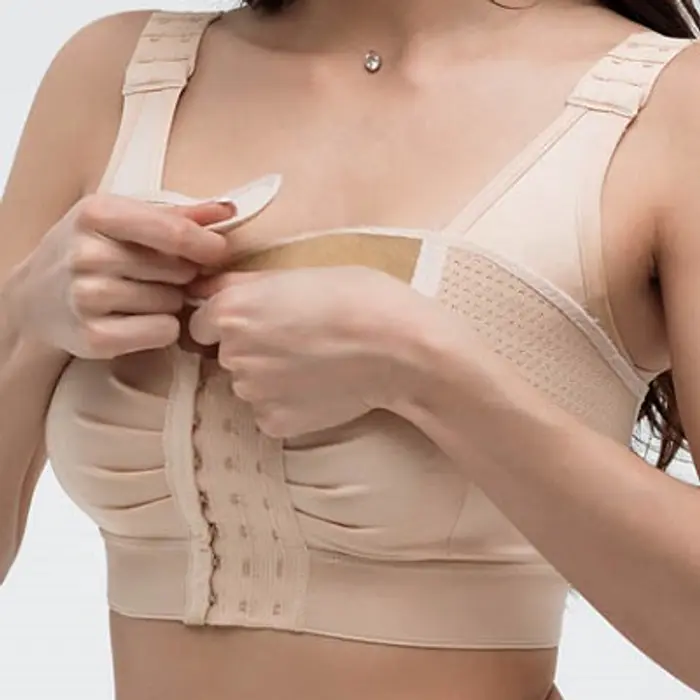
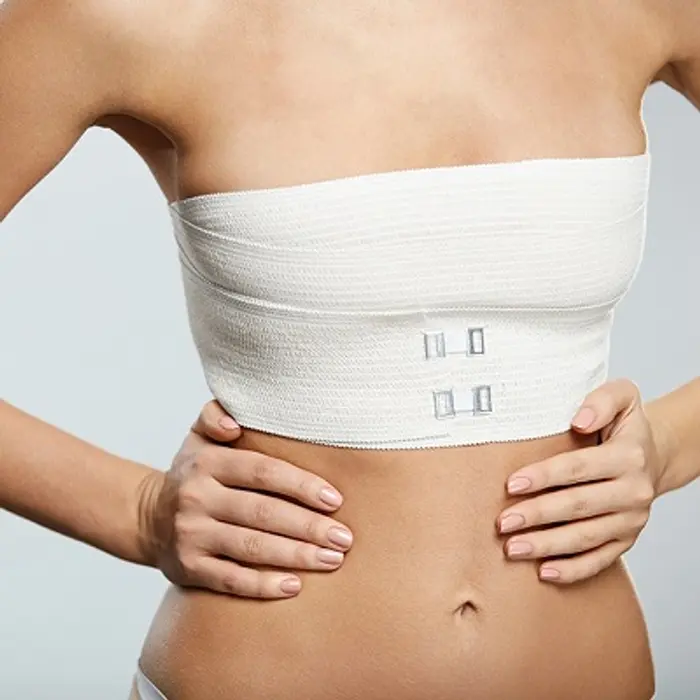
Wear the Recommended Support Garment
Support garments are commonly recommended after breast surgery.
These garments help by:
Supporting healing tissues
Limiting unnecessary breast movement
Reducing swelling
Improving overall comfort during sleep
Following postoperative instructions regarding support garments can make nighttime rest much easier.
Create a Comfortable Bedroom Environment
A peaceful bedroom encourages better sleep.
Helpful adjustments include:
Keeping the room cool
Using soft bedding
Limiting bright lights
Reducing noise
Avoiding electronic screens before bedtime
A relaxing environment supports deeper and more restorative sleep.
Stay Hydrated Throughout the Day
Proper hydration supports circulation and healing.
While it may be helpful to avoid drinking large amounts of fluids immediately before bedtime, staying hydrated during the day contributes to overall recovery.
Balanced nutrition combined with adequate hydration gives the body the resources it needs to repair itself.
Follow Medication Instructions Carefully
Some discomfort during the first few days after surgery is expected.
Taking prescribed medications as instructed can help control pain, making it easier to fall asleep and remain comfortable throughout the night.
Skipping medications unnecessarily may result in interrupted sleep due to discomfort.
Helpful Recovery Habits Beyond Sleeping Position
Sleep is only one aspect of successful recovery.
People recovering from Breast Surgery in Oman can also benefit from several additional healthy habits.
Avoid Heavy Lifting
Lifting heavy objects too soon may place stress on the chest muscles and healing tissues.
Allowing the body adequate time to recover helps protect surgical outcomes.
Take Gentle Walks
Light walking encourages healthy blood circulation and reduces stiffness.
Short walks around the home can also lower the risk of prolonged inactivity while supporting overall recovery.
Avoid Sudden Arm Movements
Reaching overhead or making abrupt upper-body movements may increase discomfort during the early healing period.
Moving carefully helps reduce strain on surgical areas.
Maintain Healthy Nutrition
A balanced diet rich in protein, fruits, vegetables, whole grains, and healthy fats supports tissue repair and strengthens the immune system.
Proper nutrition complements good sleep for faster recovery.
How Long Will Special Sleeping Positions Be Necessary?
Recovery timelines vary depending on:
The type of breast surgery
Individual healing ability
Overall health
Postoperative progress
Many people continue sleeping on their back with elevation for several weeks before gradually returning to their preferred sleeping position.
It is important not to rush this transition. Healing tissues continue strengthening even after discomfort begins to improve.
Listening to the body's signals while following professional postoperative guidance helps ensure a safe recovery.
Signs That Sleeping Position May Need Adjustment
Sometimes discomfort during sleep indicates that adjustments are needed.
Possible signs include:
Increased swelling after waking
Persistent breast pain
Neck or back soreness
Numbness in the arms
Difficulty breathing comfortably
Adding supportive pillows or changing body alignment may improve comfort. If significant pain or unusual symptoms develop, medical advice should be sought promptly.
Emotional Well-Being During Recovery
Recovering from breast surgery is both a physical and emotional experience.
Some people may initially feel frustrated by interrupted sleep or temporary lifestyle changes. These feelings are common during recovery.
Maintaining a positive routine can help by:
Practicing relaxation techniques before bed
Listening to calming music
Reading a book
Following a consistent bedtime schedule
Asking family members for assistance when needed
Good emotional health often contributes to better sleep quality and an overall smoother recovery experience.
Final Thoughts
Sleeping comfortably after breast surgery may require temporary adjustments, but these changes play an important role in promoting healing, reducing swelling, and protecting surgical results. Sleeping on the back with the upper body elevated, using supportive pillows, wearing recommended support garments, and maintaining healthy daily habits can make recovery more comfortable and restful.
For individuals planning or recovering from Breast Surgery in Oman, understanding proper sleep positioning is an essential part of postoperative care. While every person's recovery journey is unique, patience, consistency, and following professional medical guidance can help ensure a smoother healing process. As recovery progresses, normal sleeping positions can gradually be resumed, allowing patients to return to their daily routines with greater comfort and confidence.
FAQs
1. When can someone sleep on their side after breast surgery?
Most people are advised to wait several weeks before sleeping on their side. The exact timing depends on the type of surgery performed and individual healing progress. It is best to follow postoperative instructions before changing sleeping positions.
2. Why is sleeping with the upper body elevated recommended?
Elevating the upper body helps reduce swelling, improves blood circulation, minimizes pressure on the breasts, and makes getting in and out of bed more comfortable during recovery.
3. Is it normal to have trouble sleeping after breast surgery?
Yes. Mild discomfort, temporary changes in sleeping position, and the healing process can affect sleep quality during the first few weeks. Comfort usually improves as recovery progresses.
4. Can pillows really improve recovery after breast surgery?
Yes. Supportive pillows help maintain proper body alignment, prevent rolling onto the side, reduce strain on the chest, and improve overall comfort while sleeping.
5. When is it safe to sleep on the stomach again?
Stomach sleeping should usually be avoided until healing is complete and there is no discomfort or pressure on the breasts. Returning to this position should only happen after appropriate recovery and medical guidance.
6. Does good sleep speed up recovery after breast surgery?
Yes. Quality sleep supports tissue repair, strengthens the immune system, reduces inflammation, and provides the body with the energy needed for a healthy recovery.
Read More About Breast Surgery: https://666972af349f3.site123.me/blog/after-breast-surgery-recovery-tips-for-better-healing






;)