Search your location
All in one digital platform website to city promotions
Confirmation
Are you Sure!!! You want to Unfollow this Business?
Note:- You will not longer be able to see our updates.

Enfield Royal Clinic Oman

 Home
Home  About Enfield Royal Clinic Oman
  Treatments
  Make An Enquiry






Laser Hair Removal: Complete Beginner's Guide for 2026
Posted On Jul 10, 2026Get smooth, hair-free skin with safe laser hair removal. Enjoy lasting results, fast treatments, and expert care. Book your consultation today!
Laser hair removal has become one of the most popular cosmetic treatments for people who want a long-term solution to unwanted hair. Instead of shaving every few days or scheduling regular waxing appointments, many individuals are choosing laser technology for smoother skin and reduced hair growth. As technology continues to improve in 2026, treatments are becoming more comfortable, more effective, and suitable for a wider range of skin tones and hair types than ever before.
For beginners, it is natural to have questions about how the treatment works, what to expect, whether it is safe, and how many sessions may be needed. Understanding the process before starting can help set realistic expectations and ensure a positive experience.
This complete beginner's guide explains everything readers need to know about Laser Hair Removal, from how it works to preparation, aftercare, benefits, possible side effects, and frequently asked questions.
What Is Laser Hair Removal?
Laser hair removal is a non-invasive cosmetic procedure designed to reduce unwanted hair by targeting hair follicles with concentrated beams of light. The pigment (melanin) in the hair absorbs the laser energy, which damages the follicle and slows future hair growth.
Unlike temporary hair removal methods such as shaving, threading, or waxing, laser hair removal aims to provide long-lasting hair reduction. Although it may not permanently remove every hair, it can significantly decrease hair growth after a series of treatments.
The procedure is commonly performed on areas including:
- Face
- Upper lip
- Chin
- Neck
- Underarms
- Arms
- Chest
- Back
- Bikini area
- Legs
Many people also choose laser hair removal for smaller areas where unwanted hair can be difficult to manage with traditional methods.
How Does Laser Hair Removal Work?
Hair grows in different cycles, and laser treatment is most effective during the active growth phase. Since not every hair is in the same stage at the same time, multiple sessions are necessary to treat as many follicles as possible.
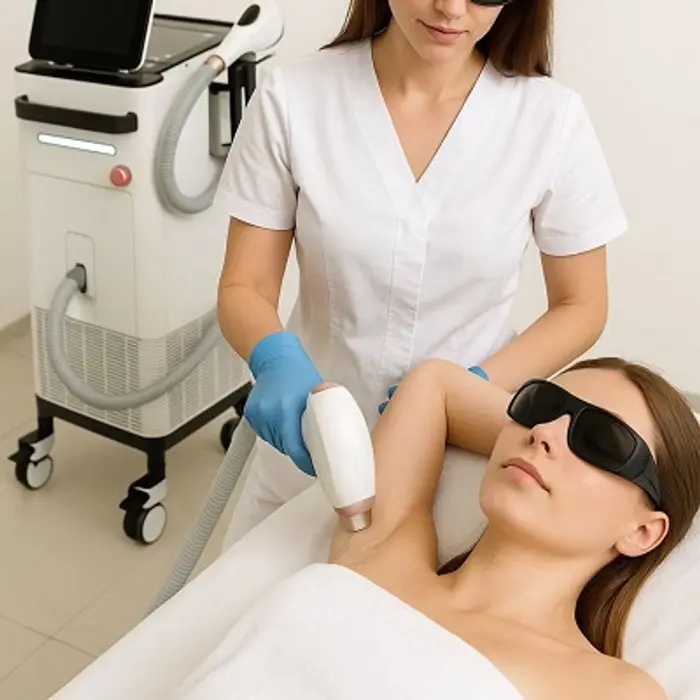
During a treatment session:
- The treatment area is cleaned.
- Protective eyewear is provided.
- A laser device delivers controlled pulses of light to the targeted area.
- The laser energy reaches the hair follicle while minimizing damage to the surrounding skin.
- The treated hair gradually falls out over the following days or weeks.
Each appointment may last anywhere from a few minutes for small areas to over an hour for larger body parts.
Benefits of Laser Hair Removal
Laser hair removal offers several advantages over traditional hair removal methods.
Long-Term Hair Reduction
One of the biggest benefits is the significant reduction in hair growth over time. Many people notice finer, lighter, and slower-growing hair after completing the recommended treatment sessions.
Saves Time
Shaving, waxing, and threading require ongoing maintenance. Laser hair removal reduces the need for frequent hair removal, making daily routines much easier.
Fewer Ingrown Hairs
People who frequently experience ingrown hairs from shaving or waxing often find laser treatments particularly beneficial because the treatment targets the hair follicle directly.
Smoother Skin
Without constant shaving or waxing, the skin often feels smoother and experiences less irritation.
Precision Treatment
Modern laser systems can precisely target dark, coarse hairs while leaving the surrounding skin largely unaffected.
Suitable for Multiple Body Areas
Laser hair removal can safely treat both small and large treatment areas, making it a versatile option for many individuals.
Who Is a Good Candidate for Laser Hair Removal?
Advancements in laser technology have made treatment more suitable for a broader range of skin tones and hair types. However, results can vary based on several factors.
Good candidates often include people who:
- Have unwanted body or facial hair.
- Want a long-term reduction in hair growth.
- Are willing to complete multiple treatment sessions.
- Have realistic expectations about the results.
- Are in generally good health.
Hair containing more pigment typically responds better because the laser targets melanin. However, newer technologies continue to improve outcomes for individuals with different skin tones.
People who are pregnant, have certain skin conditions, active infections, or specific medical concerns should discuss treatment suitability with a qualified healthcare professional before beginning.
Preparing for a Laser Hair Removal Session
Proper preparation helps improve both safety and treatment effectiveness.
Before treatment, individuals are often advised to:
- Avoid excessive sun exposure for several weeks.
- Wear sunscreen if the treated area is exposed.
- Shave the treatment area shortly before the appointment if instructed.
- Avoid waxing, threading, or plucking for several weeks beforehand since these methods remove the hair follicle that the laser targets.
- Avoid self-tanning products before treatment.
- Inform the provider about medications, skin conditions, or recent cosmetic procedures.
Following preparation instructions carefully can improve treatment results and reduce the risk of skin irritation.
What Happens During and After the Procedure?
Many beginners wonder what the treatment actually feels like.
Most people describe the sensation as similar to a small rubber band snapping against the skin, although discomfort varies depending on the treatment area and individual pain tolerance. Modern laser devices often include built-in cooling systems to improve comfort.
After treatment, it is normal to experience temporary:
- Mild redness
- Slight swelling
- Warmth in the treated area
- Increased skin sensitivity
These effects usually improve within a few hours to a couple of days.
Over the following weeks, treated hairs gradually shed naturally. This shedding process is a normal part of treatment and should not be mistaken for new hair growth.
Laser Hair Removal Aftercare Tips
Proper aftercare supports healthy healing and helps achieve the best possible results.
Recommended aftercare includes:
- Apply soothing products if advised.
- Avoid direct sunlight whenever possible.
- Use sunscreen on exposed treatment areas.
- Avoid hot baths, saunas, and steam rooms for a short period if recommended.
- Avoid scratching or picking at treated skin.
- Wear loose-fitting clothing if larger body areas have been treated.
- Keep the skin moisturized.
- Avoid harsh exfoliants until the skin has fully recovered.
Following these guidelines helps minimize irritation while protecting the treated skin.
How Many Sessions Are Usually Needed?
Laser hair removal is not a one-time treatment.
Because hair grows in cycles, most people require several sessions spaced several weeks apart. The exact number depends on factors such as:
- Treatment area
- Hair thickness
- Hair color
- Skin type
- Hormonal influences
- Individual response to treatment
Many people notice visible improvement after the first few sessions, while optimal results typically develop after completing the full treatment plan. Some individuals also choose occasional maintenance sessions to help maintain long-term hair reduction.
Possible Side Effects and Risks
Laser hair removal is generally considered safe when performed appropriately using suitable equipment and techniques.
Common temporary side effects include:
- Redness
- Mild swelling
- Temporary skin sensitivity
- Slight itching
Less common side effects may include:
- Temporary changes in skin pigmentation
- Mild blistering
- Crusting
- Burns if incorrect settings are used
- Rare scarring
Choosing an experienced treatment provider, following preparation instructions, and completing proper aftercare all contribute to reducing potential risks.
Common Myths About Laser Hair Removal
Several misconceptions continue to surround laser hair removal.
Myth: It Removes Hair Permanently After One Session
Hair reduction requires multiple treatments because hair grows in different stages. One session alone is not enough for lasting results.
Myth: It Is Extremely Painful
Most people tolerate laser hair removal well. Modern technology has significantly improved comfort during treatment.
Myth: It Is Only for Women
Laser hair removal is popular among both women and men. Many men choose treatment for the back, chest, shoulders, neck, and beard line.
Myth: Shaving Makes Hair Grow Back Thicker
Shaving does not change the thickness, color, or growth rate of hair. It simply cuts the hair at the skin's surface.
Myth: It Works Equally Well on Every Hair Color
Laser treatment works best on pigmented hair because the laser targets melanin. Results may vary depending on hair color and individual characteristics.
Is Laser Hair Removal Worth It?
For many people, laser hair removal offers convenience, smoother skin, and long-term reduction in unwanted hair growth. While it requires patience and multiple appointments, many individuals find that the reduced need for shaving or waxing makes the investment in time worthwhile.
The key to achieving satisfying results is understanding that laser hair removal is a gradual process rather than an instant solution. Following preparation guidelines, attending scheduled sessions, and maintaining proper aftercare all contribute to better outcomes.
As laser technology continues to advance in 2026, more people than ever have access to safer, more effective treatment options tailored to different skin tones and hair types. For those seeking a long-term approach to managing unwanted hair, laser hair removal remains one of the most effective cosmetic treatments available.
FAQs
1. Is laser hair removal permanent?
Laser hair removal provides long-term hair reduction rather than complete permanent hair removal. Many people experience significantly less hair growth after completing multiple sessions, although occasional maintenance treatments may be needed.
2. Does laser hair removal hurt?
Most people describe the sensation as mild and tolerable, similar to a quick rubber band snap against the skin. Modern laser systems often include cooling features to improve comfort during treatment.
3. How many laser hair removal sessions are usually required?
The number of sessions varies depending on the treatment area, hair type, skin tone, and individual response. Most people require several treatments because hair grows in different cycles.
4. Can laser hair removal be performed on all skin types?
Advances in laser technology have made treatment suitable for a much wider range of skin tones than in the past. The most appropriate laser system depends on the individual's skin and hair characteristics.
5. What should be avoided after laser hair removal?
After treatment, it is generally recommended to avoid excessive sun exposure, hot baths, saunas, harsh skin products, and activities that may irritate the treated area until the skin has recovered.
6. Can laser hair removal treat facial hair?
Yes. Laser hair removal is commonly used to reduce unwanted facial hair on areas such as the upper lip, chin, cheeks, jawline, and neck, depending on individual suitability.
Read More About Laser Hair Removal: https://666972af349f3.site123.me/blog/why-dermatologists-advise-against-popping-pimples






;)