Rhinoplasty is one of the most commonly performed cosmetic procedures worldwide, often chosen by individuals who want to enhance facial harmony, correct breathing issues, or refine the shape of their nose. While the surgery itself is relatively quick, the results are not immediately visible in their final form. Instead, Rhinoplasty results develop gradually over time as swelling subsides and tissues heal.
Understanding the recovery timeline is essential for anyone considering this procedure. It helps set realistic expectations and reduces anxiety during the healing process. This article explains how rhinoplasty results evolve, what factors influence healing, and when noticeable changes typically appear.
What Is Rhinoplasty and Why Do People Choose It?
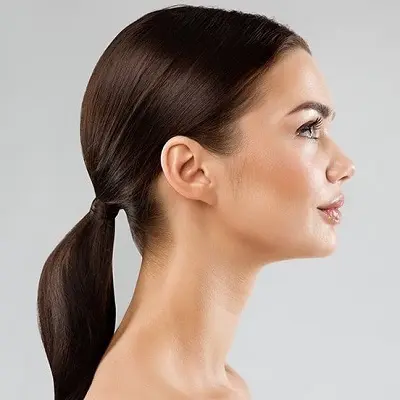
Rhinoplasty is a surgical procedure designed to reshape or reconstruct the nose. It can involve modifying bone, cartilage, skin, or all three depending on the individual’s goals. Some people seek rhinoplasty for cosmetic refinement, while others undergo it to improve breathing difficulties caused by structural issues.
Common motivations for rhinoplasty include:
- Improving nasal symmetry and facial balance
- Reducing or increasing the size of the nose
- Refining the nasal tip or bridge
- Correcting a deviated septum
- Repairing nasal injuries or birth defects
Because the nose sits at the center of the face, even subtle adjustments can significantly impact overall appearance. However, these changes take time to fully settle.
Rhinoplasty Healing Timeline: When Do Results Start to Show?
One of the most common questions patients ask is how long it takes to see rhinoplasty results. The answer varies, but the process unfolds in stages rather than a single moment of transformation.
First Week: Initial Changes Under Swelling
During the first week after surgery, the nose is typically swollen and may be covered with a splint. Bruising around the eyes is also common. At this stage, the final shape of the nose is not visible at all.
Although swelling can make the nose appear larger or different from the expected outcome, this is completely normal. The initial healing phase is focused on tissue recovery rather than aesthetic appearance.
Weeks 2–4: Early Improvement Begins
By the second or third week, much of the visible bruising starts to fade. Swelling begins to reduce, allowing a slightly clearer view of the new nasal structure.
However, the nose is still in an early healing stage. It may appear uneven or puffy in certain areas, especially around the tip. These temporary changes should not be mistaken for final results.
At this stage, many individuals feel comfortable returning to daily activities, although full healing is still ongoing internally.
Months 1–3: Noticeable Refinement
Between one and three months after rhinoplasty, the nose starts to look more defined. A significant amount of swelling continues to decrease, especially in the upper portions of the nose.
Breathing improvements (if part of the procedure) also become more noticeable during this phase. While the nose is still not fully settled, the general shape becomes clearer and more aligned with the expected outcome.
Months 3–6: Continued Shaping
This stage is where the results become increasingly refined. Most of the swelling has resolved, and the nasal contours begin to stabilize. Subtle asymmetries may still be present but usually improve over time.
The tip of the nose, which is the slowest area to heal, may still feel slightly firm or swollen. This is normal and part of the natural healing process.
One Year and Beyond: Final Results
Final rhinoplasty results typically become fully visible after 12 months, although in some cases it may take up to 18 months for complete settling.
By this stage:
- Swelling has fully resolved
- Nasal shape has stabilized
- Scars (if any) have matured and faded
- The final contour and symmetry are clearly visible
This long timeline highlights why patience is essential when evaluating rhinoplasty outcomes.
Factors That Affect Rhinoplasty Results Timeline
Not every individual heals at the same pace. Several factors can influence how quickly results become visible:
1. Surgical Technique Used
Different rhinoplasty techniques involve varying levels of tissue adjustment. More complex procedures may require longer healing periods due to greater structural changes.
2. Skin Thickness
Individuals with thicker nasal skin may experience longer swelling periods compared to those with thinner skin. Thicker skin can mask subtle changes for a longer time.
3. Age and Overall Health
Younger individuals and those in good overall health often heal faster. Lifestyle factors such as smoking, nutrition, and hydration also play a role in recovery speed.
4. Post-Surgical Care
Following post-operative instructions carefully can significantly improve healing outcomes. Activities such as avoiding pressure on the nose, keeping the head elevated, and protecting the nose from injury all contribute to smoother recovery.
5. Natural Healing Response
Every body responds differently to surgery. Some people experience quicker reduction in swelling, while others may take longer due to individual biological factors.
What to Expect During Recovery
Recovery after rhinoplasty is not just physical—it is also emotional. It is common for individuals to feel uncertain during the early stages because swelling can temporarily distort appearance.
Some key expectations include:
- Gradual changes rather than immediate results
- Temporary asymmetry during healing
- Sensitivity or mild discomfort in early weeks
- Patience required for final outcome evaluation
Understanding these factors helps manage expectations and reduces unnecessary concern during healing.
Tips for Supporting Better Rhinoplasty Results
While healing is a natural process, certain habits can support smoother recovery and better outcomes:
- Keeping the head elevated, especially during sleep
- Avoiding strenuous physical activity in early weeks
- Protecting the nose from accidental impact
- Following all post-operative care guidelines
- Maintaining a healthy diet to support tissue repair
- Avoiding smoking and alcohol during recovery
Consistency in aftercare plays a significant role in achieving optimal results.
Potential Risks and Realistic Expectations
Like any surgical procedure, rhinoplasty carries some risks, including swelling, bruising, infection, or minor asymmetry during healing. However, most side effects are temporary and improve over time.
It is important to understand that perfection is not always immediate or absolute. The goal of rhinoplasty is improvement and balance, rather than an unrealistic standard of perfection.
Realistic expectations help individuals feel more satisfied with long-term outcomes.
Conclusion
Rhinoplasty results develop gradually and require patience. While early improvements may be visible within a few weeks, the final refined shape of the nose typically takes up to a year or longer to fully appear. The healing process is influenced by several factors, including skin type, surgical technique, and overall health.
Understanding the timeline helps individuals stay informed and confident throughout recovery. With proper care and realistic expectations, rhinoplasty can lead to long-lasting and natural-looking improvements in both appearance and function.
FAQs
1. How soon after rhinoplasty can results be seen?
Initial changes may be noticeable after a few weeks, but swelling can still mask the final appearance.
2. Why does the nose look bigger after surgery?
Swelling is the main reason the nose may appear larger in early recovery stages.
3. When is swelling completely gone after rhinoplasty?
Most swelling reduces within a few months, but final refinement can take up to a year or more.
4. Can rhinoplasty results change over time?
Yes, results gradually refine as healing progresses, especially during the first year.
5. Is it normal for the nose to feel stiff after surgery?
Yes, stiffness is common and usually improves as tissues heal and swelling decreases.
6. What is the most important factor for good rhinoplasty results?
Following post-surgical care instructions and allowing sufficient healing time are key for optimal outcomes.
Read More About Rhinoplasty: https://www.citymapia.com/muscat/enfield-royal-clinic-oman/blog/top-benefits-of-cosmetic-25436


 Home
Home  About Enfield Royal Clinic Oman
  Treatments
  Make An Enquiry








;)