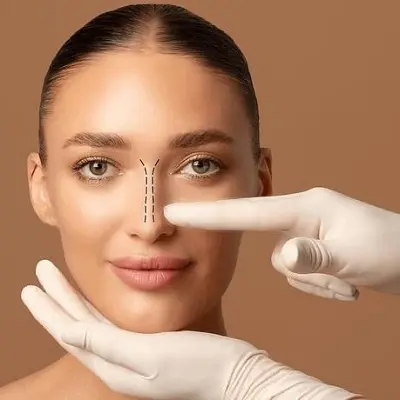
Rhinoplasty is one of the most sought-after facial cosmetic procedures worldwide, and it is also commonly requested in the field of Rhinoplasty in Muscat. People choose this surgery for various reasons, including improving facial harmony, correcting breathing difficulties, or repairing structural issues caused by injury or genetics. While the results can be transformative, understanding the step-by-step journey helps patients feel more confident and prepared.
This article walks through the entire rhinoplasty process—from the initial consultation to full recovery—in a clear and easy-to-follow way.
Understanding Rhinoplasty in Muscat
Rhinoplasty, often referred to as a “nose reshaping surgery,” is a medical procedure designed to alter the structure of the nose. In Muscat, the procedure is performed for both cosmetic enhancement and functional improvement.
Cosmetic rhinoplasty focuses on changing the appearance of the nose, such as refining the nasal tip, reducing a hump, or adjusting overall size and symmetry. Functional rhinoplasty, on the other hand, aims to correct breathing issues caused by a deviated septum or internal nasal obstruction.
Patients seeking Rhinoplasty in Muscat typically benefit from modern surgical techniques, advanced medical facilities, and a growing emphasis on patient-centered care. The procedure is always customized based on facial structure, skin type, and individual expectations.
Initial Consultation and Evaluation
The first step in the rhinoplasty journey is a detailed consultation. During this stage, the surgeon evaluates the patient’s nasal structure, facial proportions, and overall health condition.
Key elements of the consultation include:
- Discussing the patient’s goals and expectations
- Reviewing medical history and previous surgeries
- Conducting a physical examination of the nose and facial structure
- Sometimes using digital imaging to simulate potential results
This stage is crucial because it ensures realistic expectations and helps create a personalized surgical plan. Patients are encouraged to communicate openly about what they hope to achieve.
Preparing for Rhinoplasty Surgery
Once the surgical plan is finalized, preparation begins. Proper preparation is essential for a smooth procedure and recovery.
Common pre-surgery guidelines include:
- Avoiding certain medications that may increase bleeding risk
- Stopping smoking and alcohol consumption for a period before surgery
- Undergoing required lab tests or medical clearance
- Following fasting instructions before the procedure
Patients are also advised to arrange transportation for the day of surgery and plan for adequate rest during the recovery period. Emotional readiness is just as important as physical preparation, as it helps reduce anxiety before the procedure.
Step-by-Step Rhinoplasty Procedure
The actual rhinoplasty surgery is performed in a controlled medical environment and typically takes a few hours depending on the complexity of the case.
1. Anesthesia Administration
The procedure begins with anesthesia to ensure comfort and pain control. Depending on the case, either general anesthesia or local anesthesia with sedation may be used. This ensures that the patient remains completely relaxed throughout the surgery.
2. Making the Incisions
Once anesthesia takes effect, the surgeon makes small incisions. There are two common approaches:
- Closed rhinoplasty, where incisions are made inside the nostrils
- Open rhinoplasty, where a small incision is made across the columella (the tissue between the nostrils)
The choice depends on the complexity of the nasal reshaping required.
3. Reshaping the Nasal Structure
After accessing the internal nasal structure, the surgeon reshapes the bone and cartilage. This step may include:
- Removing or reducing a nasal hump
- Reshaping cartilage for better symmetry
- Refining the nasal tip for improved definition
- Adjusting the septum to improve airflow if needed
This is the most delicate part of the surgery, as precision determines both aesthetic and functional outcomes.
4. Closing the Incisions
Once the desired shape is achieved, the incisions are carefully closed using fine sutures. A nasal splint is usually placed externally to support the new structure and maintain alignment during early healing.
Recovery and Healing Process
Recovery is a gradual process and plays a major role in the final outcome of Rhinoplasty in Muscat.
In the first week, patients may experience:
- Swelling around the nose and eyes
- Mild discomfort or congestion
- Bruising that gradually fades
A nasal splint is typically removed after about one week. Most people can return to normal daily activities within 10–14 days, although strenuous activities should be avoided for several weeks.
Over the next few months, swelling continues to reduce, and the nose gradually settles into its final shape. Full results may take up to a year to become completely visible.
Proper aftercare is essential during this phase, including:
- Keeping the head elevated while sleeping
- Avoiding direct trauma to the nose
- Following all post-operative instructions carefully
- Attending follow-up appointments
Expected Results and Long-Term Care
Rhinoplasty offers long-lasting results when performed correctly and supported by proper healing. Patients often notice improved facial balance and enhanced self-confidence after recovery.
In functional cases, improved breathing is also a significant benefit. However, maintaining results depends on protecting the nose from injury and following a healthy lifestyle.
It is important to remember that final results take time, and patience is key during the healing journey.
Risks and Considerations
Like any surgical procedure, rhinoplasty carries potential risks. These may include:
- Temporary swelling or bruising
- Infection (rare when proper care is followed)
- Breathing changes in some cases
- Asymmetry or need for revision surgery
Choosing a well-planned and realistic approach significantly reduces risks. Proper consultation and following medical advice are essential for safe outcomes.
Frequently Asked Questions (FAQs)
1. What is the main purpose of rhinoplasty?
Rhinoplasty is performed to improve the appearance of the nose or correct functional issues such as breathing difficulties. It enhances facial harmony and can also restore nasal structure after injury.
2. How long does rhinoplasty surgery take?
The procedure typically takes between one to three hours, depending on the complexity of the case and the type of correction required.
3. Is rhinoplasty a painful procedure?
Most patients do not feel pain during surgery due to anesthesia. After surgery, mild discomfort, swelling, and congestion are common but manageable with prescribed care.
4. How long is the recovery period after rhinoplasty?
Initial recovery takes about one to two weeks, but complete healing and final results may take several months to a year as swelling gradually subsides.
5. Can rhinoplasty improve breathing problems?
Yes, functional rhinoplasty can correct structural issues such as a deviated septum, which can significantly improve breathing function.
6. Are the results of rhinoplasty permanent?
Yes, the results are generally long-lasting. However, natural aging and external factors may cause subtle changes over time.
Read More About Rhinoplasty: https://www.citymapia.com/muscat/enfield-royal-clinic-oman/blog/rhinoplasty-results-how-long-25440


 Home
Home  About Enfield Royal Clinic Oman
  Treatments
  Make An Enquiry








;)