Enfield Royal Clinic Oman

 Home
Home  About Enfield Royal Clinic Oman
  Treatments
  Make An Enquiry





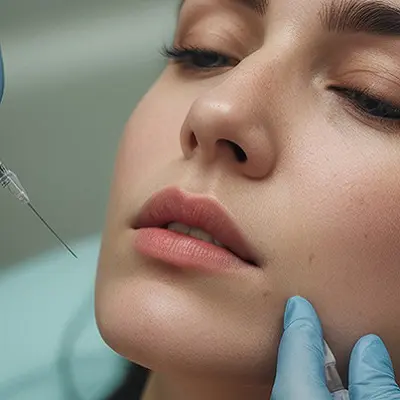
Skin Booster Injections During Pregnancy: Safety Guide
Posted On Jan 27, 2026Skin booster injections deeply hydrate the skin, improve texture, and restore natural glow. A non-surgical treatment for smoother, healthier skin.
Pregnancy is a unique period in a woman’s life, bringing profound changes to the body, including the skin. Many expectant mothers notice dryness, dullness, or increased sensitivity, leading them to consider cosmetic treatments to maintain skin health. Among these options, Skin Booster Injections in Muscat have gained attention for their ability to improve hydration and texture. But are they safe to undergo during pregnancy? This guide explores the facts, risks, and considerations surrounding skin booster injections for pregnant women, offering clear, evidence-based information.
Understanding Skin Changes During Pregnancy
Pregnancy triggers hormonal shifts that can significantly affect the skin. Common changes include:
Increased dryness or dehydration
Fluctuations in oil production, causing occasional breakouts
Heightened sensitivity to skincare products
Development of melasma or dark spots
Stretch marks due to rapid skin expansion
These changes are natural and temporary for most women. However, they often motivate individuals to seek cosmetic treatments like skin boosters to maintain hydration and skin smoothness.
What Are Skin Booster Injections?
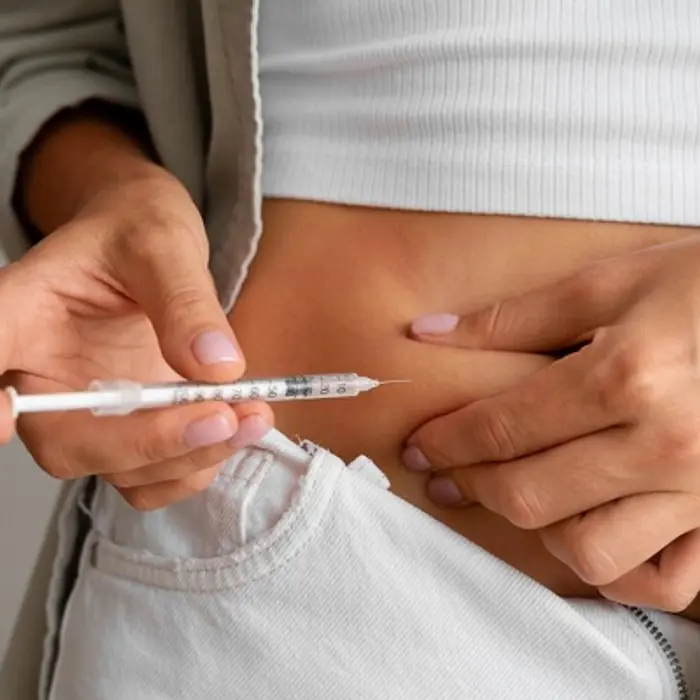
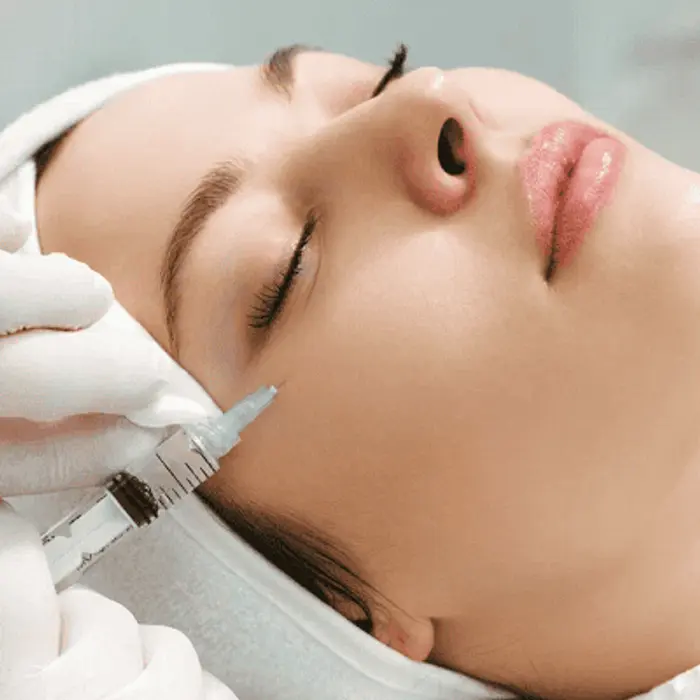
Skin Booster Injections are minimally invasive treatments designed to enhance skin hydration and improve overall texture. Unlike dermal fillers, which are primarily used for contouring and volume restoration, skin boosters focus on enhancing skin quality.
These injections typically contain hyaluronic acid, a naturally occurring substance that attracts and retains water in the skin. Some formulations may include additional vitamins or peptides to support collagen production and skin elasticity.
The treatment is commonly applied to the face, neck, hands, and other areas that show early signs of dehydration or loss of firmness. It aims to deliver deep hydration from within, creating smoother, plumper, and healthier-looking skin.
Why Pregnant Women Should Be Cautious
While skin booster injections are generally safe for the general population, pregnancy is a special case. During this period, the safety of both the mother and developing baby is the priority.
There is limited clinical research on the use of skin boosters during pregnancy. Hyaluronic acid itself is naturally present in the body and generally considered safe, but injectable treatments may involve other components, sterilization agents, or local anesthetics that have not been thoroughly studied in pregnant women.
Additionally, pregnancy changes the body’s response to inflammation and healing. Swelling, bruising, or unexpected skin reactions may be more pronounced. For these reasons, medical guidelines generally advise postponing elective cosmetic procedures, including skin booster injections, until after delivery.
Potential Risks of Skin Booster Injections During Pregnancy
Some risks to consider include:
Infection or inflammation: Even minimally invasive injections carry a small risk of infection, which can have more serious implications during pregnancy.
Adverse reactions: Allergic reactions, redness, swelling, or tenderness can occur, and their management may be complicated during pregnancy.
Unknown effects of additives: Certain vitamins, peptides, or local anesthetics in the injection formula may not have established safety profiles for pregnant women.
Stress to the body: Any procedure, even minor, can increase stress or discomfort, which may not be ideal during pregnancy.
While serious complications are rare, the lack of comprehensive studies makes it impossible to guarantee safety during this period.
Alternative Ways to Maintain Skin Hydration During Pregnancy
For pregnant women seeking skin hydration and glow without injections, several safe alternatives are available:
Topical hyaluronic acid: Moisturizers or serums containing hyaluronic acid can boost hydration without systemic risk.
Gentle exfoliation: Using mild exfoliants can remove dead skin cells and improve absorption of moisturizers.
Hydration and diet: Drinking plenty of water and consuming nutrient-rich foods supports natural skin hydration.
Moisturizing masks: Pregnancy-safe masks can enhance moisture retention and skin radiance.
Sun protection: Using pregnancy-safe sunscreen helps prevent dryness, irritation, and pigmentation.
These measures are non-invasive and generally safe, making them preferred choices until after childbirth.
When to Consider Skin Booster Injections After Pregnancy
Once pregnancy and breastfeeding are complete, women can reconsider skin booster injections. These treatments can effectively address lingering dryness, improve texture, and restore a youthful glow.
It is recommended to wait until the body has fully recovered postpartum. This allows the skin and immune system to stabilize, reducing the risk of adverse reactions and optimizing treatment results.
Key Takeaways
Skin changes during pregnancy are natural and common, including dryness, sensitivity, and dullness.
Skin Booster Injections in Muscat are minimally invasive treatments that deliver deep hydration using hyaluronic acid.
There is insufficient research to confirm the safety of skin boosters during pregnancy, so elective treatments are generally postponed.
Potential risks include infection, allergic reactions, or unknown effects from additives.
Safer alternatives during pregnancy include topical hyaluronic acid, gentle exfoliation, hydration, and moisturizers.
Postpartum is a suitable time to explore skin booster injections for restoring skin health.
FAQs About Skin Booster Injections and Pregnancy
Can I safely get skin booster injections while pregnant?
No. Due to limited research on injectable treatments during pregnancy, it is recommended to avoid skin boosters until after childbirth.
Is hyaluronic acid harmful for pregnant women?
Hyaluronic acid is naturally present in the body and generally safe. However, injectable formulations may contain other ingredients that are not tested for pregnancy safety.
Are there any non-invasive ways to improve dry skin during pregnancy?
Yes. Topical hyaluronic acid, hydrating masks, proper water intake, and gentle moisturizers are effective and safe options.
When is it safe to resume cosmetic injections after pregnancy?
Most women can safely resume treatments a few months postpartum, once the body and immune system have stabilized. Breastfeeding considerations may also influence timing.
Do skin boosters permanently improve hydration?
No. Skin boosters improve hydration temporarily. Maintenance sessions are usually required to sustain results.
Can skin boosters help with stretch marks during pregnancy?
Skin booster injections are not designed to prevent or treat stretch marks. Moisturizers and topical treatments are better suited during pregnancy.
Conclusion
Skin Booster Injections in Muscat offer a safe and effective method for enhancing skin hydration and texture for the general population. However, pregnancy introduces unique considerations, and current evidence does not support their use during this period. Expectant mothers should prioritize non-invasive skincare and hydration strategies to maintain skin health safely.
After pregnancy, skin booster injections can be revisited to address dryness and improve overall skin quality. Understanding the timing, risks, and alternatives ensures that women make informed decisions for themselves and their babies, maintaining skin health while protecting both mother and child.

;)