Enfield Royal Clinic Oman

 Home
Home  About Enfield Royal Clinic Oman
  Treatments
  Make An Enquiry





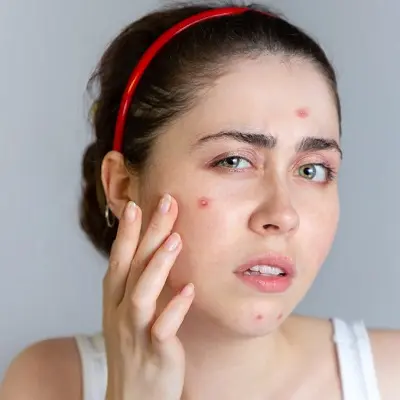
The Science Behind Effective Acne Treatment Explained
Posted On Jan 26, 2026Discover effective acne treatment solutions to clear your skin, reduce breakouts, and prevent scars. Find expert tips, remedies, and products for healthy, glowing skin.
Acne is one of the most common skin concerns worldwide, affecting people of all ages, especially during adolescence and early adulthood. While it is often seen as a cosmetic issue, the effects of acne extend beyond the skin. It can impact self-esteem, confidence, and overall well-being. Understanding the science behind acne and the principles of effective Acne Treatment can empower individuals to take control of their skin health.
What Causes Acne?
Acne develops when hair follicles become clogged with oil (sebum), dead skin cells, and bacteria. The main contributors to acne include:
Excess Sebum Production: Sebaceous glands produce oil to keep the skin moisturized, but overproduction can lead to clogged pores.
Clogged Hair Follicles: Dead skin cells sometimes stick together and block pores, creating the perfect environment for acne to develop.
Bacterial Growth: Cutibacterium acnes (formerly Propionibacterium acnes) is a bacteria naturally found on the skin. When pores are blocked, this bacteria multiplies, triggering inflammation.
Hormonal Fluctuations: Hormones, particularly androgens, can increase sebum production, which is why acne is more common during puberty, menstrual cycles, and certain life stages.
Inflammation: Inflammatory responses to bacteria and trapped oil cause redness, swelling, and the formation of pimples.
Understanding these underlying mechanisms is crucial for selecting the most effective acne treatments.
Topical Treatments: Targeting Acne at the Source
Topical treatments are often the first line of defense in managing acne. These products work directly on the skin to reduce oil, unclog pores, and control bacteria. Common active ingredients include:
Benzoyl Peroxide: A powerful antibacterial agent that kills acne-causing bacteria and reduces inflammation. It is highly effective for inflammatory acne, such as pustules and papules.
Salicylic Acid: A beta-hydroxy acid (BHA) that penetrates pores to exfoliate and remove excess oil and dead skin cells. It is ideal for preventing clogged pores and blackheads.
Retinoids: Derived from Vitamin A, retinoids help regulate skin cell turnover, preventing clogged follicles. They also have anti-inflammatory properties, making them effective for both inflammatory and non-inflammatory acne.
Azelaic Acid: Known for its antibacterial and anti-inflammatory effects, azelaic acid helps reduce redness, pigmentation, and bacteria on the skin.
Using these products consistently and as directed is key to achieving visible results. Combining ingredients, such as a retinoid at night and benzoyl peroxide in the morning, can provide complementary benefits.
Oral Medications: When Topicals Aren’t Enough
For moderate to severe acne, oral treatments may be necessary. These work systemically to reduce sebum production, bacterial activity, or inflammation:
Antibiotics: Short-term oral antibiotics can reduce bacterial growth and inflammation. They are usually combined with topical treatments to minimize resistance and maximize results.
Hormonal Therapy: For individuals with hormone-driven acne, certain oral medications can regulate androgen levels, reducing oil production and preventing flare-ups.
Isotretinoin: A potent oral retinoid used for severe, treatment-resistant acne. It targets all major acne factors—sebum production, clogged pores, bacterial growth, and inflammation.
Oral treatments are typically prescribed for more severe cases or when topical treatments have not delivered satisfactory results. They require monitoring due to potential side effects.
The Role of Lifestyle in Acne Management
While medications and topical treatments are essential, lifestyle factors can significantly influence acne outcomes. Some helpful practices include:
Maintaining a Balanced Diet: High-glycemic foods, dairy, and processed sugars may contribute to acne in some individuals. Incorporating fruits, vegetables, whole grains, and healthy fats can support skin health.
Proper Skincare Routine: Gentle cleansing twice a day, non-comedogenic moisturizers, and sunscreen help prevent irritation and protect the skin barrier.
Stress Management: Stress triggers hormonal fluctuations that can worsen acne. Mindfulness, meditation, and exercise can help regulate stress levels.
Avoiding Touching or Picking the Skin: Manipulating pimples can cause scarring, infections, and inflammation.
Lifestyle adjustments, combined with targeted treatments, often lead to the most sustainable and long-term results.
Emerging and Advanced Acne Treatments
Advancements in skincare science have introduced new acne-fighting technologies and approaches:
Chemical Peels: Professional-grade chemical exfoliants remove dead skin cells and help unclog pores, improving skin texture and reducing acne scars.
Light and Laser Therapies: Blue light targets acne-causing bacteria, while laser treatments can reduce inflammation and promote healing of scars.
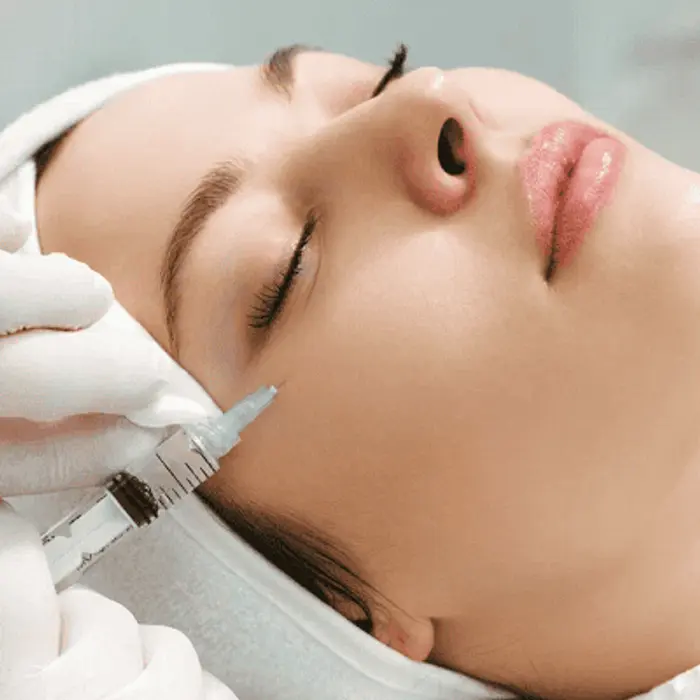
Microneedling and Platelet-Rich Plasma (PRP): These procedures can help improve acne scarring and promote collagen production, restoring smoother skin.
While these treatments may not be necessary for mild acne, they can offer additional options for stubborn or severe cases.
The Importance of Consistency and Patience
Acne treatment is rarely instantaneous. The skin’s natural turnover cycle takes around 28 days, meaning it may take several weeks to notice improvements. Patience, consistency, and adherence to a tailored treatment plan are critical for long-term success. Over-treating or frequently switching products can irritate the skin and worsen acne.
Frequently Asked Questions (FAQs)
1. How long does it take for acne treatments to work?
Results vary depending on the severity of acne and the treatment type. Topical treatments may show improvement within 4-8 weeks, while oral medications may take several months. Consistency is key.
2. Can diet really affect acne?
Yes, certain foods can exacerbate acne in some people, especially high-glycemic foods and dairy. A balanced diet rich in fruits, vegetables, and whole grains can support skin health.
3. Are natural remedies effective for acne?
Some natural ingredients, like tea tree oil, honey, or aloe vera, have mild antibacterial and anti-inflammatory properties. However, they are usually less potent than scientifically formulated treatments and may work best as complementary care.
4. Is it safe to use multiple acne treatments together?
Combining treatments can be effective, such as using a retinoid with benzoyl peroxide. However, it should be done carefully to avoid irritation, and it’s best to follow product instructions or a planned regimen.
5. Can stress cause acne?
Stress can trigger hormonal changes that increase sebum production and inflammation, potentially worsening acne. Stress-reduction techniques can indirectly help manage acne.
6. How can I prevent acne scars?
Avoid picking or squeezing pimples, use treatments to reduce inflammation, and consider early interventions like chemical peels or laser therapies for persistent acne. Consistent sun protection also prevents darkening of scars.
7. Is acne only a teenage problem?
No. While common in adolescence, acne can affect adults due to hormonal changes, lifestyle factors, and genetics. Adult acne requires tailored treatment approaches.
Conclusion
Effective acne treatment is a combination of science, patience, and consistent skincare practices. Understanding the underlying causes of acne, selecting the right treatments, and making supportive lifestyle choices can dramatically improve skin health and overall confidence. By approaching acne treatment strategically, it’s possible to achieve clear, healthy skin and prevent long-term scarring.
Investing time in proper treatment and care pays off, making the journey to clearer skin not just about appearances, but about overall skin health and well-being.


;)