Enfield Royal Clinic Oman

 Home
Home  About Enfield Royal Clinic Oman
  Treatments
  Make An Enquiry






Understanding Skin Correction with Dermamelan Treatment Basics
Posted On Apr 14, 2026Dermamelan Treatment is a professional depigmentation therapy that reduces dark spots, melasma, and uneven skin tone for clearer, radiant skin.
Skin pigmentation issues are among the most common dermatological concerns faced by people in different parts of the world, including the Middle East. In recent years, interest in advanced depigmentation solutions has increased significantly, especially for individuals looking for long-term improvement in uneven skin tone, dark spots, and melasma. One such widely discussed professional solution is Dermamelan Treatment, a specialized approach designed to target the root cause of hyperpigmentation rather than just the surface symptoms.
In the context of Dermamelan Treatment in Oman, many individuals seek this method due to the region’s strong sun exposure and climate conditions, which can contribute to pigmentation concerns. The treatment is often considered by people who want a structured, clinically guided approach to achieving clearer and more even-toned skin.
This article explains how the treatment works, what to expect, and why it has become a popular option for skin correction in modern aesthetic care.
What Is Dermamelan Treatment and How Does It Work?
Dermamelan Treatment is a professional depigmentation system that focuses on reducing visible pigmentation while also regulating the biological process that causes excess melanin production. Unlike superficial treatments that only address discoloration at the top layer of the skin, this method works in a deeper, more comprehensive way.
The process typically involves two phases: an in-clinic application followed by a structured at-home maintenance routine. The in-clinic phase helps to initiate the corrective process, while the at-home phase supports ongoing skin renewal and helps maintain results over time.
For individuals considering Dermamelan Treatment in Oman, this dual approach is particularly beneficial because it helps manage pigmentation that may be triggered or worsened by environmental factors such as UV exposure and heat.
Skin Concerns Addressed by Dermamelan Treatment in Oman
Dermamelan Treatment is often recommended for a variety of pigmentation-related concerns. These include:
Melasma and Hormonal Pigmentation
Melasma is one of the most stubborn forms of pigmentation and is often linked to hormonal changes. It appears as dark patches on the face, especially on the cheeks, forehead, and upper lip. Dermamelan helps regulate melanin activity, which can reduce the visibility of these patches over time.
Sun-Induced Dark Spots
In regions with intense sunlight, such as Oman, sunspots and uneven tanning are common. Regular sun exposure without adequate protection can lead to localized pigmentation, which Dermamelan Treatment aims to correct gradually.
Post-Inflammatory Hyperpigmentation
This condition often appears after acne, injuries, or skin irritation. Dark marks can remain even after the original issue has healed. Dermamelan supports skin regeneration, helping to fade these marks more evenly.
Uneven Skin Tone
Even without specific spots, many individuals struggle with overall uneven skin tone. The treatment helps restore balance, giving the skin a more uniform appearance.
Step-by-Step Overview of the Treatment Process
The Dermamelan process follows a structured approach designed to ensure both safety and effectiveness.
Initial Skin Assessment
Before beginning, the skin is evaluated to determine the severity of pigmentation and identify the most suitable approach. This step ensures that the treatment is customized to individual needs.
In-Clinic Application Phase
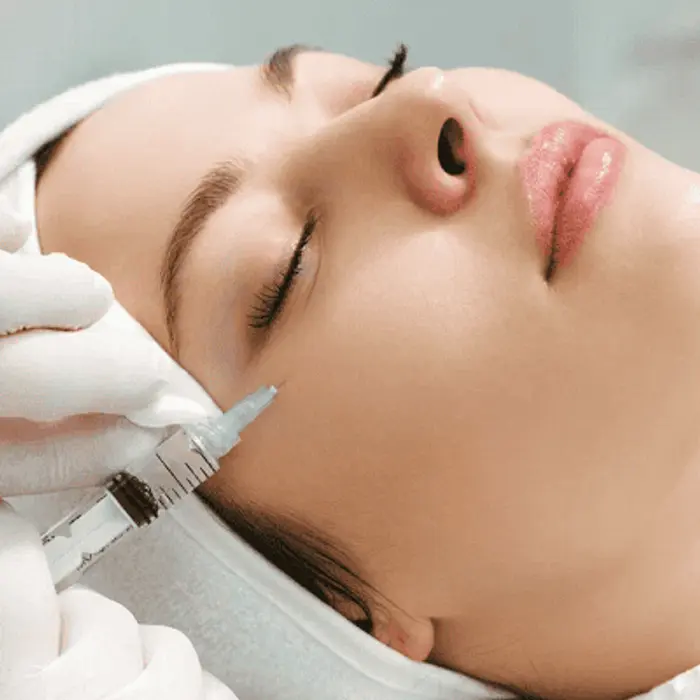
During this phase, a professional-strength mask is applied to the skin. It remains on the skin for a specific duration depending on the skin type and condition. This stage initiates the depigmentation process by targeting melanin activity at a deeper level.
At-Home Maintenance Phase
After the initial application, patients are provided with a home care routine. This includes specially formulated products that help continue the treatment process, support skin recovery, and maintain results.
Sun Protection and Lifestyle Adjustments
A critical part of Dermamelan Treatment in Oman is sun protection. Since UV exposure can trigger pigmentation again, consistent use of sunscreen and protective measures is essential for maintaining long-term results.
Benefits and Expected Results of Dermamelan Treatment
Dermamelan Treatment offers several benefits for individuals dealing with stubborn pigmentation concerns.
Visible Reduction in Pigmentation
One of the main advantages is the noticeable reduction in dark patches and uneven coloration. Over time, the skin appears clearer and more refined.
Long-Term Regulation of Melanin Activity
Unlike temporary solutions, this treatment helps regulate the underlying cause of pigmentation, reducing the likelihood of recurrence when proper care is maintained.
Improved Skin Texture and Radiance
As the skin renews itself, many individuals notice an improvement not only in tone but also in texture and overall radiance.
Non-Surgical and Minimally Invasive Approach
Dermamelan is a non-surgical option, making it appealing for individuals who prefer treatments without invasive procedures or extended downtime.
Is Dermamelan Treatment Suitable for Everyone?
While Dermamelan Treatment in Oman is widely used for pigmentation concerns, it may not be suitable for all skin types or conditions. A careful evaluation is usually necessary before beginning the process.
Individuals with highly sensitive skin, certain dermatological conditions, or specific medical concerns may require alternative approaches. Additionally, commitment to post-treatment care is essential, as the results depend heavily on proper maintenance and sun protection.
Overall, it is considered a versatile treatment option for many people struggling with moderate to severe pigmentation issues.
Aftercare Tips for Best Results
After undergoing Dermamelan Treatment, proper aftercare plays a key role in achieving optimal results.
- Consistent use of sunscreen is essential to prevent new pigmentation.
- Skin hydration should be maintained using recommended skincare products.
- Direct sun exposure should be minimized, especially during peak hours.
- Harsh exfoliants or active ingredients should be avoided unless advised.
- Following the full at-home care routine ensures better long-term improvement.
These steps help support skin healing and maximize the effectiveness of the treatment.
Frequently Asked Questions (FAQs)
1. What is Dermamelan Treatment used for?
Dermamelan Treatment is primarily used to reduce and regulate skin pigmentation issues such as melasma, sunspots, and post-inflammatory hyperpigmentation.
2. How long does it take to see results from Dermamelan Treatment in Oman?
Results vary depending on skin type and condition, but many individuals begin noticing visible improvement within a few weeks, with continued progress over time.
3. Is the treatment painful or uncomfortable?
Some individuals may experience mild tingling or warmth during the initial phase, but it is generally considered tolerable and temporary.
4. Can pigmentation return after the treatment?
Pigmentation can return if proper aftercare, especially sun protection, is not followed. Maintenance plays an important role in long-term results.
5. Is Dermamelan suitable for sensitive skin?
It may be suitable for some sensitive skin types, but a professional evaluation is necessary to determine compatibility and adjust the approach if needed.
6. How important is aftercare in Dermamelan Treatment?
Aftercare is extremely important, as it supports healing, enhances results, and helps prevent recurrence of pigmentation issues.
Read More About Dermamelan Treatment: https://www.citymapia.com/muscat/enfield-royal-clinic-oman/blog/dermamelan-treatment-healing-24656



;)